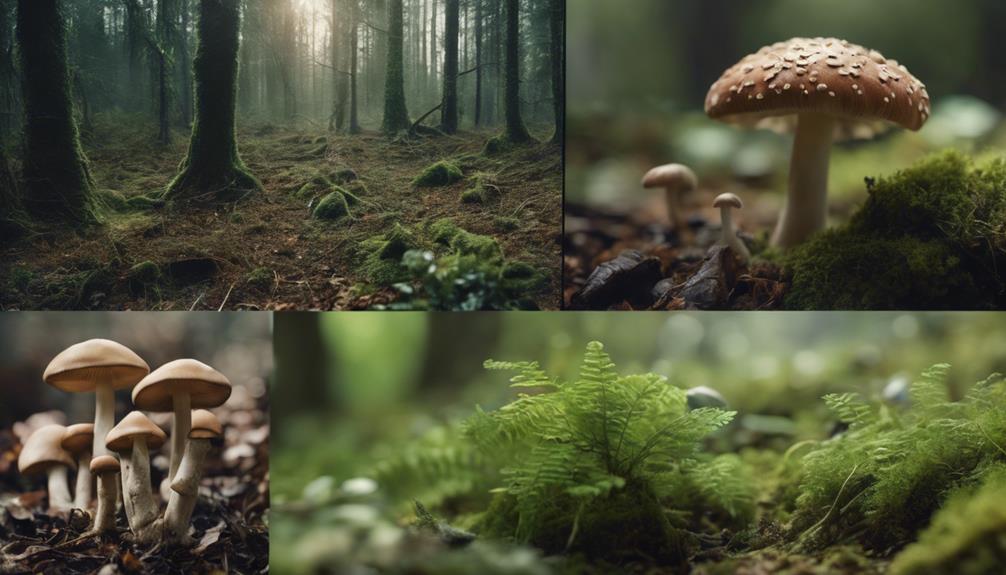
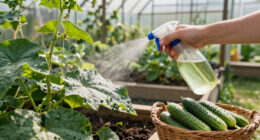
Not all meadows are equal in wild food potential. Look for diverse plant life, including herbs like wild garlic, chickweed, and dandelions, which thrive in healthy ecosystems. Observe habitat clues like soil type and moisture levels; shaded or moist areas often host more edible plants. Respect land boundaries and avoid overharvesting to keep the ecosystem balanced. By noticing these features, you’ll discover the best spots for foraging—and there’s more to uncover about spotting the richest land.

Get garden gear delivered free with Prime
- Fast, free delivery on millions of items
- Prime Video, Amazon Music and more included
- Member-only deals all year
Key Takeaways
- Observe plant diversity and growth patterns to identify rich, sustainable foraging areas.
- Assess soil and habitat conditions to determine areas with abundant edible wild plants.
- Recognize environmental signs indicating land health or overharvesting risks.
- Respect property boundaries and land management signs to ensure responsible foraging.
- Use habitat cues and plant signs to target areas with the best potential for wild food.

Have you ever wondered how much wild food is just waiting to be discovered on open land? If you’re interested in foraging, understanding how to read a meadow or open space can unlock a treasure trove of edible plants. The key lies in wild herb identification—knowing which plants are safe to eat and which are best left untouched. The more you learn about biodiversity, the better you’ll be at recognizing the signs of a healthy ecosystem that supports a variety of edible species. As you explore, remember that sustainable foraging practices are crucial; you want to harvest responsibly so these wild foods can thrive for generations to come.
First, look at the plant diversity in the area. A healthy meadow isn’t just a sea of green; it’s a dynamic ecosystem with a variety of species. Identify common herbs like wild garlic, chickweed, or dandelion, which are often abundant and easy to recognize. Pay attention to the leaves, flowers, and stems, and take note of their growth patterns. Wild herb identification is a skill that improves with practice—use field guides, apps, or local foraging groups to help you distinguish safe plants from look-alikes. It’s better to be cautious than to mistake a toxic plant for an edible one, so always double-check your identifications before harvesting. Developing your foraging skills can significantly increase your confidence and safety when gathering wild foods. Remember that understanding plant habitats can also guide you to more abundant and sustainable foraging spots. Recognizing the signs of healthy land can help you identify areas that are more likely to yield a diverse range of edible plants. Additionally, being aware of soil conditions can assist in predicting where certain plants may thrive, making your foraging more efficient and environmentally friendly.
Observe plant diversity and growth patterns; use guides and caution to identify safe, edible wild herbs.
As you walk through the land, observe the soil and sunlight conditions. Edible plants flourish under specific environments—some prefer moist, shaded areas, while others thrive in full sun. Recognizing these conditions helps you locate plentiful foraging spots and ensures you’re not overharvesting in one place, which aligns with sustainable practices. When collecting, use scissors or pruning shears to take only what you need, leaving enough behind so the plant can continue growing. Never uproot entire plants unless you’re certain it’s sustainable; many herbs, like wild mint or thyme, can be cut repeatedly if you leave enough foliage.
Pay attention to signs of overharvesting or disturbed land—these areas may not be the best for sustainable foraging. Respect private property and local regulations, always seeking permission when necessary. By doing so, you help maintain the health of the land and ensure wild foods remain available. Remember, open land isn’t just about finding food; it’s about respecting the ecosystem. When you combine wild herb identification skills with sustainable foraging practices, you not only gather nourishing plants but also help preserve the environment. As you become more attuned to the land, you’ll discover that the best foraging spots are those where nature is allowed to flourish, providing endless opportunities to learn, enjoy, and connect with the wild.
wild herb identification field guide
As an affiliate, we earn on qualifying purchases.
As an affiliate, we earn on qualifying purchases.
Frequently Asked Questions
How Do I Identify Edible Plants in Wild Meadows?
To identify edible plants in wild meadows, start with wildflower identification guides to recognize safe species. Look for plants with vibrant, healthy leaves and avoid those with discoloration, holes, or unusual growths. Always be aware of poisonous plant awareness; learn to distinguish toxic plants like hemlock or deadly nightshade. When in doubt, consult local experts or foraging groups to guarantee you’re harvesting safe, edible wild foods.
What Tools Are Best for Foraging in Open Land?
Imagine you’re exploring a lush meadow, and you want to gather wild herbs for a delicious recipe. A sturdy pair of scissors or pruning shears is best for harvesting plants cleanly without damaging the environment. A good foraging basket keeps your finds safe, while a small knife helps with tricky plants. Always prioritize foraging safety, and study wild plant recipes beforehand to make sure you’re collecting edible, safe-to-eat foods.
When Is the Ideal Time to Harvest Wild Foods?
You should harvest wild foods when they’re at their peak flavor and nutritional value, typically during their specific seasonal windows. For example, berries ripen in summer, while roots are best in fall. Always consider foraging safety by properly identifying plants and avoiding contaminated areas. This way, you can enjoy seasonal recipes at their freshest and safest, making your foraging experience both delicious and responsible.
Are There Any Legal Considerations for Foraging in Open Land?
Always ascertain applicable legal restrictions before foraging in open land. You should seek permission requirements from landowners or managing authorities to avoid accidental trespassing. Different regions may have strict rules restricting wild food gathering, so it’s wise to do diligent research. Respect property boundaries and abide by local laws, ensuring your foraging fun stays friendly, lawful, and safe. Remember, proper permissions prevent problems and promote responsible foraging.
How Can I Ensure Sustainable Foraging Practices?
To guarantee sustainable foraging, focus on wild harvesting practices that leave enough for wildlife and future growth. Avoid overharvesting by taking only what you need and leaving the root systems intact. Be mindful of ecosystem balance, respecting plant lifecycles and seasonal changes. Practice responsible foraging by following local guidelines, and consider consulting experts or guides to promote healthy, sustainable wild food collection.
foraging scissors and pruning shears
As an affiliate, we earn on qualifying purchases.
As an affiliate, we earn on qualifying purchases.
Conclusion
Now that you know how to read open land for wild food, you hold the key to revealing nature’s hidden banquet. With a keen eye, you can spot edible treasures hiding in plain sight, transforming ordinary meadows into your personal pantry. Remember, every patch of wild land is a treasure chest waiting to be discovered—an endless source of sustenance if you learn to see it. Get out there and turn the wild into your feast!
As an affiliate, we earn on qualifying purchases.
As an affiliate, we earn on qualifying purchases.
Halloween Picks
halloween
As an affiliate, we earn on qualifying purchases.