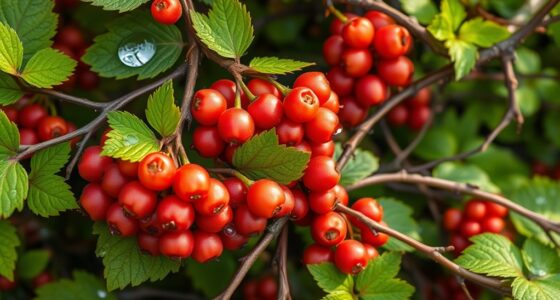
To learn about new species without feeling overwhelmed, focus on understanding their role in the ecosystem and key features like appearance, habitat, and behavior. Break information into manageable chunks and use visual aids or stories to reinforce learning. Comparing new species to familiar ones can simplify complexity. Practice active review and spaced repetition to boost retention. Keep these strategies in mind, and you’ll discover how to make your wildlife knowledge both manageable and memorable as you explore further.

Get garden gear delivered free — and shop member deals
- Fast, free delivery on millions of items
- Access to Prime Big Deal Days deals on October 6–7
- Prime Video, Amazon Music and more included
Key Takeaways
- Focus on understanding the species’ ecological role and broader context to enhance meaningful learning.
- Break information into manageable chunks, emphasizing key traits and conservation links.
- Use visual aids and storytelling to reinforce memory and engagement.
- Compare new species to familiar ones to simplify complex traits.
- Practice active, spaced review techniques to strengthen retention without overload.
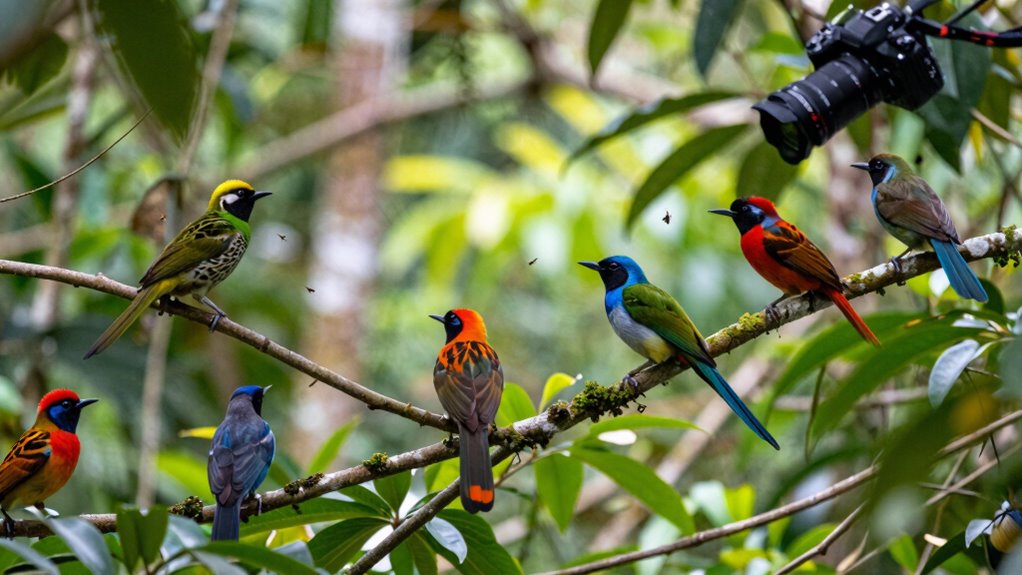
Have you ever struggled to remember the details of a newly discovered species? It’s common to feel overwhelmed when trying to grasp all the new information—especially when each species can have unique traits, habitats, and behaviors. Instead of trying to memorize everything at once, consider focusing on the bigger picture, like understanding the species’ role in its ecosystem and its genetic diversity. Recognizing these aspects can help you build a more meaningful connection to the species, making it easier to recall important details later.
Focusing on a species’ role and genetic diversity helps build meaningful connections and easier recall.
One effective way to learn without overload is to break down the information into manageable chunks. Instead of tackling every detail at once, focus on key features—such as physical traits, habitat, diet, and behavior—then move on to understanding its genetic diversity. Genetic diversity is *essential* because it reveals how resilient a species might be to environmental changes or diseases. Knowing this helps you appreciate the importance of conservation efforts, which aim to protect and preserve species with rich genetic variations. When you see the link between genetic diversity and conservation, it becomes easier to remember why each species is *indispensable* to its ecosystem and worth safeguarding.
Using visual aids can also lighten your cognitive load. Look at images, diagrams, or videos that highlight the species’ distinctive markings or behaviors. These visual cues reinforce your memory and make learning more engaging. Additionally, connecting the species to broader conservation stories or efforts can create a narrative that sticks with you. For example, understanding how conservation efforts help maintain genetic diversity can make the species’ story more compelling and easier to recall. When you see conservation as a way to preserve the species’ genetic makeup, you’re more likely to remember both the species itself and the importance of protecting it.
Another helpful tip is to relate new species to familiar ones. When you find similarities, it’s easier to anchor new knowledge by comparison. Think about how this species differs from or resembles others you know, especially regarding its adaptation strategies or genetic makeup. This comparative approach simplifies complex information and makes it more relatable. Recognizing the importance of genetic diversity in this context can deepen your understanding of species resilience and conservation needs. Additionally, focusing on key traits can help you quickly identify and differentiate species in the field or in images, making your learning more efficient. Incorporating active learning techniques, such as drawing or describing species traits, can further enhance retention and comprehension. Additionally, embracing a step-by-step learning process can prevent you from feeling overwhelmed, as it allows you to steadily build your knowledge without rushing.
Finally, give yourself some time to absorb the information. Instead of trying to learn everything in one sitting, revisit the species after a day or two. Spaced repetition reinforces your memory and reduces the risk of overload. By focusing on key points, leveraging visual aids, connecting to conservation efforts, and reviewing periodically, you can learn about new species more effectively—without feeling overwhelmed.
wildlife identification guidebook
As an affiliate, we earn on qualifying purchases.
As an affiliate, we earn on qualifying purchases.
Frequently Asked Questions
How Long Does It Typically Take to Learn a New Species Effectively?
It usually takes a few weeks to a few months to learn a new species effectively, depending on your learning pace and study consistency. If you dedicate regular, focused study sessions, you’ll grasp key traits faster. Avoid rushing, and instead, break the information into manageable chunks. With steady effort and consistent review, you’ll develop a solid understanding without feeling overwhelmed, making your learning experience more enjoyable and sustainable.
Are There Specific Tools That Improve Species Identification Accuracy?
Yes, there are specific tools that improve species identification accuracy. Species databases provide thorough information, making it easier to compare traits. Identification apps are user-friendly and can analyze photos instantly, enhancing accuracy. Using both tools together allows you to cross-reference data and refine your skills. Regularly updating your databases and practicing with apps will boost your confidence and ensure more precise identifications, all without overwhelming yourself.
Can This Method Be Applied to Both Plants and Animals Equally?
Yes, this method can be applied to both plants and animals, like a versatile key fitting different locks. You’ll explore plant adaptations and observe animal behavior, gaining insights without feeling overwhelmed. By focusing on specific traits and patterns, you can unravel the mysteries of both kingdoms smoothly. This approach helps you connect with nature’s intricacies, making learning about species engaging and manageable, whether you’re studying leaves or animal movements.
What Are Common Mistakes Beginners Make When Learning New Species?
You often make the mistake of relying too much on memorizing names instead of developing your observation skills and visual memory. Focus on observing details like shapes, colors, and patterns. Avoid rushing through species; take your time to notice subtle differences. This approach helps you better understand both plants and animals, making learning more effective and enjoyable. Building strong observation skills reduces overwhelm and enhances your ability to identify new species confidently.
How Often Should I Review Species to Retain My Knowledge?
You should review species regularly, like watering a plant, to keep knowledge alive. Use spaced repetition and active recall—reviewing every few days initially, then gradually increasing the interval. This method helps move info from short-term to long-term memory, preventing overload. Stick to a consistent schedule, and you’ll find learning new species becomes a natural part of your routine, making retention more effective and enjoyable.
As an affiliate, we earn on qualifying purchases.
Conclusion
As you gently embrace this new approach, remember that learning about species isn’t a race. By taking small, meaningful steps, you allow yourself to truly connect without feeling overwhelmed. Sometimes, the quiet moments of curiosity and patience can reveal the most beautiful insights. Trust in your journey, and know that each gentle discovery adds a special hue to your understanding. Keep going, and let your passion unfold naturally—there’s beauty in the steady, unhurried process.
As an affiliate, we earn on qualifying purchases.
As an affiliate, we earn on qualifying purchases.
Fall yard work Picks
leaf blowers
As an affiliate, we earn on qualifying purchases.