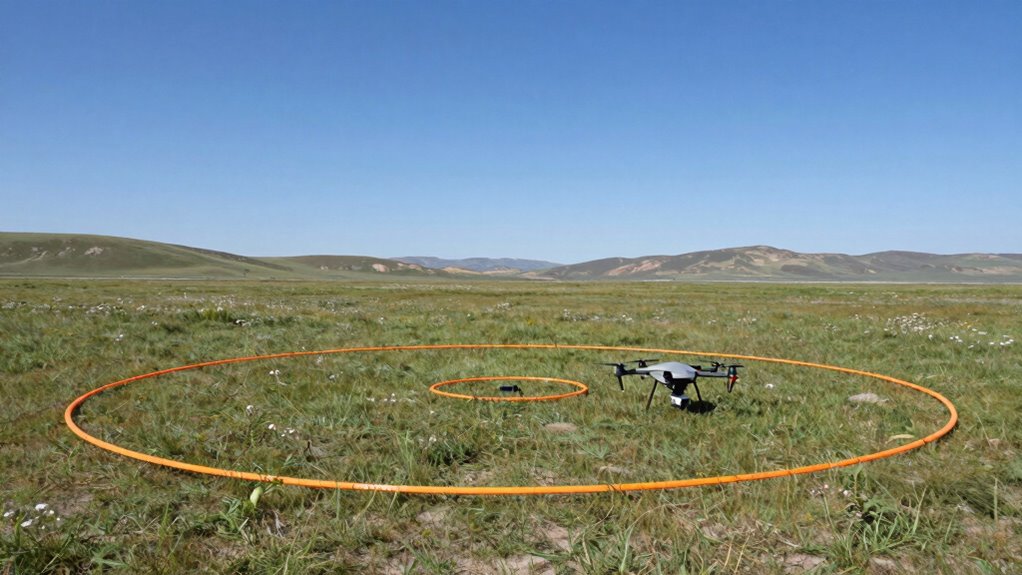

To find safe drone launch zones in open country, look for flat, unobstructed ground free of trees, power lines, or tall structures. Choose areas with gentle, stable terrain and minimal vegetation for better control and safety. Make certain the site is away from populated areas and complies with local regulations. Natural cover can help stabilize your drone during takeoff and landing. Keep these tips in mind, and you’ll discover more ways to guarantee safe and smooth flights.

Get garden gear delivered free — and shop member deals
- Fast, free delivery on millions of items
- Access to Prime Big Deal Days deals on October 6–7
- Prime Video, Amazon Music and more included
Key Takeaways
- Choose flat, unobstructed land free from trees, power lines, and tall structures for safe takeoff and landing.
- Select sites sheltered from strong winds and away from water bodies to ensure stable flight conditions.
- Ensure the area is distant from populated zones, adhering to local regulations and no-fly zone restrictions.
- Use a stable, level surface or launch pad, and perform pre-flight checks on drone equipment for safety.
- Inform someone about your flight plan and have reliable communication methods for emergency situations.
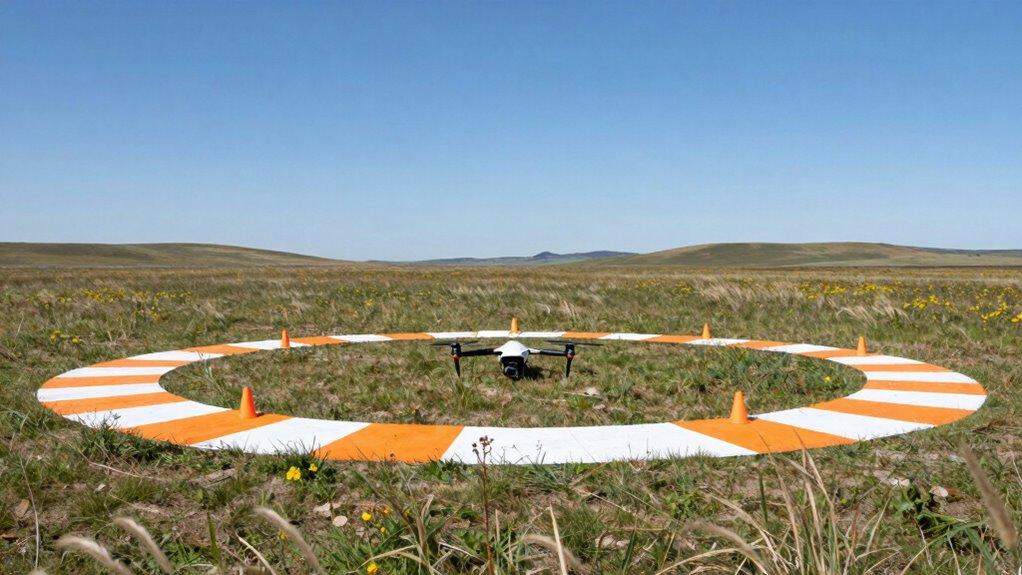
As drone use continues to grow, establishing safe launch zones becomes essential for preventing accidents and ensuring public safety. When you’re flying drones in open country, choosing the right location is pivotal. Proper launch site selection not only enhances drone safety but also makes your flying experience smoother and more enjoyable. You need to identify spots that allow for safe takeoff and landing while minimizing risks to people, animals, and property. In open areas, look for flat, unobstructed land free from trees, power lines, or tall structures that could interfere with your drone’s flight path. Clear visibility is critical; you want to see your drone at all times to maintain control and respond quickly if needed.
Choose flat, open areas free of obstacles for safe drone takeoff and landing.
When selecting a launch site, consider wind conditions. Open country can have unpredictable gusts, so choose a location that’s sheltered from strong winds or provides some natural cover. This helps stabilize your drone during takeoff and landing, reducing the chances of crashes. It’s also wise to avoid areas near water bodies, as reflections can interfere with your drone’s sensors and navigation systems. Additionally, steer clear of areas with dense vegetation or uneven terrain, which can cause difficulties during takeoff or landing. Ensuring the site is designated for biodiversity conservation can also help protect local ecosystems and prevent disturbance to wildlife.
Another key aspect of drone safety and launch site selection is to guarantee the site is far from populated areas. Flying in open country often means you’re away from crowds, but you still need to be cautious. Check for local regulations and no-fly zones to avoid legal issues and potential safety hazards. If you’re in a remote location, inform someone about your plans and have a way to communicate in case of an emergency. Remember, your goal is to keep your drone operations predictable and safe, not just for yourself but for others as well.
Bringing the right equipment is also part of safe drone operations. Use a launch pad or a stable, level surface to guarantee consistent takeoff and landing. This reduces wear on your drone’s components and helps keep the flight controlled. Before each flight, do a quick check of your drone’s batteries, sensors, and control systems. Making sure everything is in top shape is part of good launch site selection and drone safety practices.
As an affiliate, we earn on qualifying purchases.
Frequently Asked Questions
Are There Any Legal Restrictions for Drone Launches in Open Country?
Yes, there are legal restrictions for drone launches in open country. You need to obtain the necessary legal permits before flying, especially if you’re in restricted areas. Always check local regulations, as some zones may prohibit drone activity altogether. Ignoring these rules can lead to fines or other penalties. To stay compliant, plan ahead, verify your location’s restrictions, and secure permits if required, ensuring safe and legal drone operations.
How Do Weather Conditions Affect Drone Launch Safety?
Weather conditions profoundly impact your drone launch safety. Unpredictable weather patterns, like sudden rain or fog, can impair visibility and damage your drone. Wind turbulence is especially risky, as it causes instability during takeoff and landing. Always check the weather forecast before launching, avoid windy days, and stay alert to changing conditions. Ensuring calm, clear weather helps prevent accidents and keeps your drone operation safe and successful.
What Equipment Is Recommended for Safe Drone Launches?
You need the right gear to keep your drone launch safe. Start with well-maintained batteries; check for damage and keep them charged properly. Choose a launch site with flat terrain, minimal wind, and clear surroundings. Carry a portable landing pad, extra batteries, and a toolkit for quick repairs. These essentials help you stay prepared and avoid trouble, ensuring your drone flights are smooth as silk right from takeoff.
How Can I Identify Potential Hazards in Open Terrain?
You can identify potential hazards in open terrain by scanning for wildlife disturbance risks and signal interference sources. Look for areas where animals are active or nesting, as launching near wildlife can cause disturbance. Check for signals from power lines, radio towers, or dense foliage that might interfere with your drone’s controls. Staying alert to these hazards helps you choose a safe, open spot for a smooth takeoff and flight.
Are There Insurance Requirements for Drone Operations in Open Areas?
Yes, there are insurance requirements for drone operations in open areas. You should have suitable insurance policies that include liability coverage to protect against potential damages or accidents. Many drone pilots carry a commercial drone insurance policy to meet legal requirements and guarantee safety. Always check local regulations, as some regions mandate specific coverage levels, and having liability coverage helps you mitigate financial risks during your drone flights.
As an affiliate, we earn on qualifying purchases.
Conclusion
By choosing clear, open, and clutter-free zones, you guarantee safe, secure drone launches every time. Prioritize planning, pinpoint perfect spots, and prevent potential problems. Protect people, property, and your peace of mind by practicing responsible flying. Remember, responsible routines reduce risks and reinforce safe, smooth soaring. Stay smart, stay safe, and set your sights on secure, scenic skies with sensible spots for your drone’s debut. Your safe flights start with smart site selection!
drone obstacle avoidance sensors
As an affiliate, we earn on qualifying purchases.
As an affiliate, we earn on qualifying purchases.
drone wind resistance accessories
As an affiliate, we earn on qualifying purchases.
As an affiliate, we earn on qualifying purchases.
Fall Picks
fall essentials
As an affiliate, we earn on qualifying purchases.