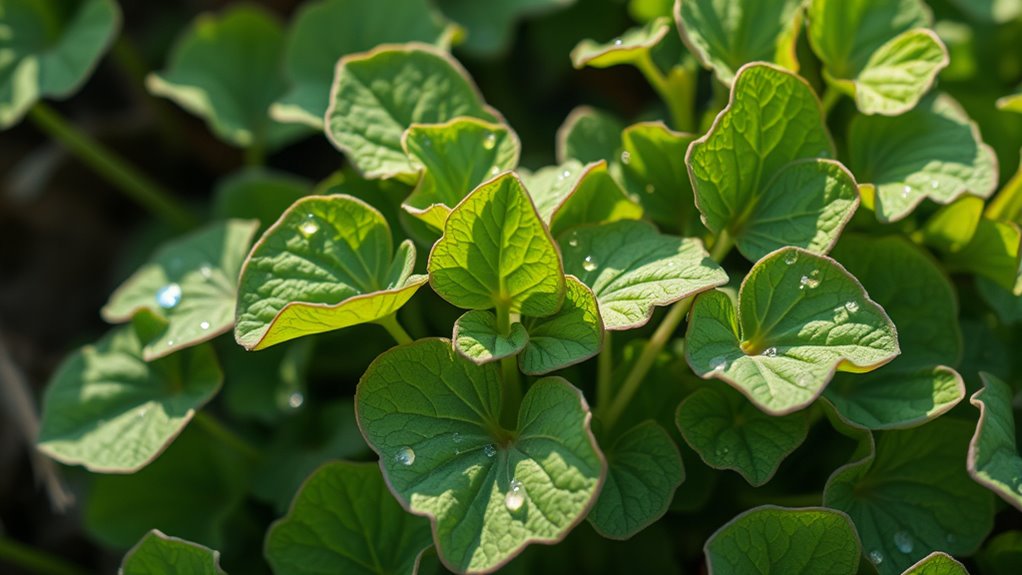
Lamb’s quarters is a wild green with tall, sprawling stems and diamond-patterned leaves that looks similar to spinach. You’ll find it in disturbed soils, gardens, or along roadsides, but make sure you identify it correctly and harvest from clean areas. It’s packed with vitamins and minerals that support your health and is a natural, sustainable alternative to cultivated greens. Curious about how to harvest, prepare, or enjoy it? Keep exploring, and you’ll discover more.

Get garden gear delivered free with Prime
- Fast, free delivery on millions of items
- Prime Video, Amazon Music and more included
- Member-only deals all year
Key Takeaways
- Lamb’s Quarters is a wild leafy green, often called the “spinach of the wild,” known for its nutrient-rich profile.
- Recognizable by tall, sprawling stems, crinkled leaves with a diamond-shaped pattern, and white pollen on the surface.
- It grows in disturbed soils, gardens, and roadsides; proper identification and clean harvesting are essential.
- Leaves can be eaten raw in salads or cooked, providing high levels of vitamins A, C, K, and minerals like calcium and iron.
- Responsible foraging involves careful harvesting, thorough washing, and moderation due to oxalate content.
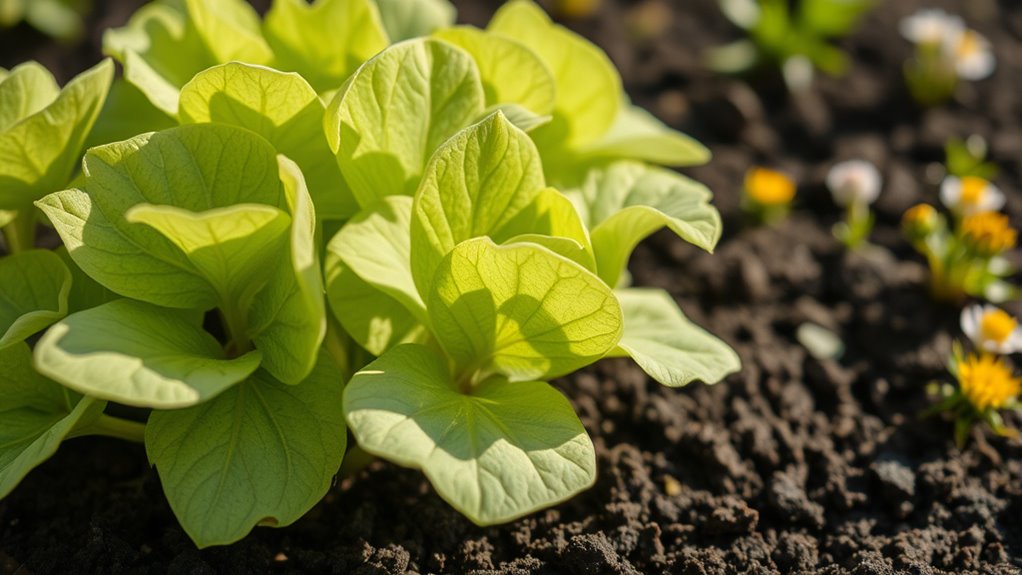
Have you ever come across Lamb’s Quarters and wondered if it’s safe to eat? If you’re exploring wild edibles, this plant might catch your eye because of its abundant, spinach-like leaves. Before you start harvesting, it’s important to understand how to do so responsibly. Foraging tips are essential to guarantee you identify the right plant and avoid any look-alikes that could be harmful. Lamb’s Quarters, with its tall, sprawling stems and crinkled, green leaves, often grows in disturbed soils, gardens, or along roadsides. Confirm the plant’s identity by checking for its distinctive diamond-shaped pattern on the leaves and tiny, white pollen on the upper surface. Always harvest from clean, uncontaminated areas, and avoid collecting near busy roads or areas treated with pesticides. Use scissors or garden shears to snip only what you need, leaving enough behind to allow the plant to regrow. Proper identification and responsible harvesting are vital for emotional support when foraging for wild edibles. Once you’re confident in your identification, you’ll be pleased to learn that Lamb’s Quarters offers impressive nutritional benefits. This wild edible is a powerhouse of nutrients, often surpassing cultivated greens like spinach. It’s rich in vitamins A, C, and K, which support your immune health, vision, and blood clotting. It also provides a good dose of minerals such as calcium, magnesium, and iron, essential for bone health and energy production. Its high antioxidant content helps combat oxidative stress, contributing to overall wellness. Because of its nutritional profile, incorporating Lamb’s Quarters into your diet can be a natural way to boost your intake of crucial nutrients, especially when fresh greens are scarce or expensive. When preparing Lamb’s Quarters, make sure to wash the leaves thoroughly to remove dirt, insects, or any residual pollutants. Young leaves tend to be more tender and milder in flavor, making them ideal for salads, smoothies, or sautéing. Older leaves can be tougher but still nutritious; they work well when cooked down, similar to spinach or kale. Keep in mind that, like many greens, it contains oxalates, so if you’re prone to kidney stones or have certain health conditions, consume it in moderation. Always start with small amounts to see how your body reacts and gradually incorporate it more into your meals.
Top picks for "lamb quarter spinach"
As an affiliate, we earn on qualifying purchases.
Frequently Asked Questions
How Do I Identify Lamb’s Quarters in the Wild?
You can identify lamb’s quarters in the wild by looking for tall, slender plants with diamond-shaped, green leaves that have a whitish, powdery coating. They thrive in disturbed areas like roadsides or gardens. To guarantee foraging safety, always double-check your plant identification and avoid harvesting near pollution or chemicals. Knowing its habitat helps you find it easily, but careful identification is key to avoid confusing it with similar, potentially harmful plants.
Are There Any Look-Alike Plants to Watch Out For?
You might stumble upon plants that look alike to lamb’s quarters, but watch out for poisonous look-alikes like Poison Hemlock or Nightshade. Coincidentally, both have similar leaf shapes but are highly toxic. Use plant identification tips like checking for white, hairless stems and clustered seed heads. Always double-check your plants before harvesting, and when in doubt, consult a field guide or expert to avoid dangerous mistakes.
Can Lamb’s Quarters Be Cultivated at Home Easily?
Yes, you can cultivate lamb’s quarters at home easily. Use simple gardening techniques like choosing a sunny spot and ensuring well-drained soil. Incorporate crop rotation to keep your soil healthy and prevent pests. Sow seeds directly in the ground or containers, and water regularly. Lamb’s quarters grow quickly, making them a rewarding addition to your garden. Just watch out for look-alike plants to avoid confusion.
What Are the Best Harvesting Times for the Plant?
You should harvest lamb’s quarters during the late spring to early summer, when the plant is young and tender. The ideal timing is when the leaves are about 6-8 inches tall, before they start flowering. During the harvesting season, pick the top leaves regularly to encourage new growth. This guarantees you get the most flavorful and nutritious greens, making it perfect for salads or cooking.
Are There Any Nutritional Differences Between Wild and Cultivated Lamb’s Quarters?
Did you know wild lamb’s quarters have slightly higher nutritional content than cultivated ones? You’ll find more vitamins A, C, and calcium in wild varieties, boosting your health benefits. While both offer excellent nutrients, the wild version often packs a more potent punch due to its natural growing conditions. So, when choosing between them, consider that wild lamb’s quarters may give you even more nutritional advantages for your diet.
Conclusion
Next time you wander through a wild patch, you might stumble upon lamb’s quarters just like I did. That unexpected find, glowing softly in the fading sunlight, felt like a secret waiting to be discovered. As you pluck a leaf and taste its earthy flavor, you realize nature’s surprises are often right beneath your feet. It’s amazing how a simple coincidence can turn an ordinary walk into a moment of wild discovery.
Halloween Picks
halloween
As an affiliate, we earn on qualifying purchases.