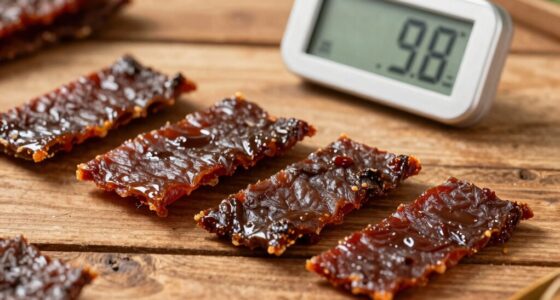
Cold smoking occurs below 90°F, preserving raw textures and providing a subtle smoky flavor, perfect for delicate items like cheese or fish. Hot smoking happens between 140°F and 185°F, cooking the food and creating tender, moist textures with a stronger smoky taste. The essential difference lies in temperature, which completely changes the way the food looks, feels, and tastes. If you keep exploring, you’ll uncover how to choose the right method for your favorite foods.

Get garden gear delivered free with Prime
- Fast, free delivery on millions of items
- Prime Video, Amazon Music and more included
- Member-only deals all year
Key Takeaways
- Cold smoking occurs below 90°F, preserving raw textures, while hot smoking between 140°F-185°F cooks foods, altering their texture.
- Cold smoking imparts a mild smoky flavor without cooking, maintaining original food consistency; hot smoking produces a richer flavor and tenderizes the food.
- Cold smoking keeps delicate items like cheese and cured meats raw or cured; hot smoking results in moist, flaky, or fully cooked textures.
- The temperature difference in cold vs hot smoking directly influences whether the food remains raw or is cooked through, changing its texture entirely.
- Equipment and temperature control are critical to achieve the desired texture and flavor profile specific to cold or hot smoking processes.

Have you ever wondered what distinguishes cold smoke from hot smoke? The answer lies in the temperature of the smoking process, which directly impacts the smoke flavor profiles and the texture of your final product. Cold smoking typically occurs at temperatures below 90°F (32°C), while hot smoking takes place between 140°F and 185°F (60°C to 85°C). This temperature difference isn’t just a matter of comfort; it fundamentally changes how the smoke interacts with your food. When you choose to cold smoke, you’re mainly imparting smoky flavors without fully cooking the item. Hot smoking, on the other hand, not only adds flavor but also cooks the food simultaneously, leading to a different texture and moisture retention.
Your smoking equipment choices are essential to achieving the desired outcome in either method. For cold smoking, you’ll need specialized equipment like a cold smoker box or a dedicated cold smoking chamber that maintains low temperatures and prevents heat from penetrating the food. Many enthusiasts use a separate smoke generator attached to their existing smoker or an electric cold smoker to have better control over the process. These setups often involve a smoke generator that produces cold smoke without heat, ensuring you preserve the raw texture of items like cheese, fish, or cured meats. Hot smoking equipment, however, is designed to operate at higher temperatures, often combining a smoker box or chamber with built-in heat sources such as charcoal, wood, or electric elements. This equipment not only generates smoke but also provides the necessary heat to cook the food evenly and quickly.
Understanding how your equipment choices influence smoke flavor profiles can help you craft the perfect smoked delicacy. Cold smoking tends to produce a mild, subtle smoky aroma that enhances the natural flavors of your ingredients without overpowering them. This method is ideal for delicate foods that you want to preserve in their original texture, such as cheeses or cured sausages. Hot smoking produces a richer, more intense smoky flavor, often accompanied by a tender, flaky, or moist texture, depending on the food. The heat also helps to kill bacteria and pathogens, making hot smoked foods safer for immediate consumption.
cold smoker box for smoking cheese
As an affiliate, we earn on qualifying purchases.
As an affiliate, we earn on qualifying purchases.
Frequently Asked Questions
Can Cold Smoke Be Used for Cooking or Is It Only for Flavor?
Cold smoking is primarily used for flavor enhancement, not cooking, because it involves low temperatures that don’t cook the food thoroughly. You can use cold smoking to add smoky flavor to items like cheeses, cured meats, and fish, but it isn’t suitable for cooking raw meats or vegetables. If you want the food cooked, hot smoking is the way to go, as it combines flavor with proper cooking.
How Does the Temperature Affect the Shelf Life of Smoked Foods?
You might be surprised, but temperature dramatically influences smoked foods’ shelf life. Lower temperatures limit bacteria growth, enhancing shelf stability and preserving smoke penetration’s delicate flavors longer. Hot smoking, however, accelerates curing but shortens shelf life due to moisture loss and bacteria risk. So, if you’re aiming for longer-lasting smoked goodies, controlling temperature isn’t just about flavor—it’s the key to extending their freshness and safety.
Are There Safety Concerns With Cold Smoking Raw Meats?
Cold smoking raw meats can pose safety concerns because it doesn’t cook the meat, increasing the risk of bacteria and parasites. Cold smoking safety is essential; you should only cold smoke meats that are cured or fully dried to minimize raw meat concerns. Always keep the smoker at the correct temperature and follow proper curing procedures to guarantee safety and prevent foodborne illnesses.
What Equipment Is Needed Specifically for Cold Smoking?
You’ll need a good smoke generator designed for cold smoking, which produces a steady, low-temperature smoke without heat. Pair it with quality wood chips—such as apple, cherry, or alder—to generate flavorful smoke. You should also have a proper cold smoke chamber or container to keep the meat at safe temperatures during smoking. This setup guarantees you get the desired cold smoke without cooking the meat, maintaining its texture and safety.
How Do Cold and Hot Smoking Impact Nutritional Content?
Cold and hot smoking impact nutritional content differently. Cold smoking preserves more nutrients and vitamins because it involves lower temperatures, reducing nutrient degradation. Hot smoking, on the other hand, exposes food to higher heat, which can break down sensitive vitamins and nutrients, decreasing overall nutritional value. You’ll want to choose your method based on whether you prioritize flavor or nutrient preservation, especially for delicate vitamins.
As an affiliate, we earn on qualifying purchases.
Conclusion
Just as the phoenix’s rebirth hinges on fire’s dual nature, your smoking journey depends on choosing between cold and hot smoke. Cold smoke reveals delicate textures, like whispering secrets from the past, while hot smoke transforms and intensifies flavors, echoing the fiery spirit of creation. Knowing the difference empowers you to craft dishes with purpose and depth, turning simple ingredients into legends. Embrace this knowledge, and let your culinary stories soar beyond the horizon’s edge.
As an affiliate, we earn on qualifying purchases.
smoke generator for cold smoking
As an affiliate, we earn on qualifying purchases.
As an affiliate, we earn on qualifying purchases.
Columbus Day / Indigenous Peoples' Day Picks
long weekend sales
As an affiliate, we earn on qualifying purchases.