
To keep jerky safe and fresh, store it in airtight containers in a cool, dry place away from sunlight. Refrigerate or freeze for longer shelf life, ensuring it’s well-sealed to prevent spoilage. Pay attention to signs of mold, off-odor, or unusual appearance—discard if these occur. Proper temperature and storage help prevent bacteria growth and extend freshness, so following these rules is essential. Continue exploring key tips to protect your jerky and enjoy it safely.

Get garden gear delivered free with Prime
- Fast, free delivery on millions of items
- Prime Video, Amazon Music and more included
- Member-only deals all year
Key Takeaways
- Store jerky in airtight containers in a cool, dry place, and refrigerate or freeze for extended freshness.
- Maintain proper hygiene by washing hands and using clean utensils to prevent bacterial contamination.
- Keep jerky away from raw meats and high-risk foods to avoid cross-contamination.
- Discard jerky showing mold, off-odor, or unusual appearance, and avoid consumption if spoilage signs are present.
- Follow recommended storage durations: a few weeks for homemade, several months for commercial, with proper sealing and labeling.
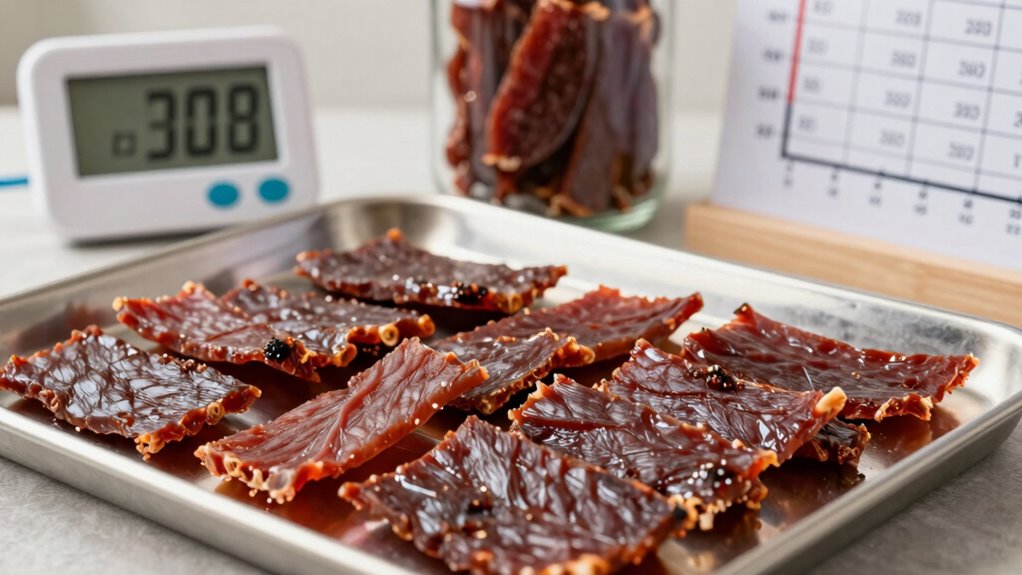
Jerky is a popular snack enjoyed by many, but ensuring its safety is essential to avoid foodborne illnesses. Proper storage plays a critical role in keeping your jerky safe to eat and maintaining its flavor and texture. Following correct storage guidelines helps prevent contamination and spoilage, which can lead to health risks. To keep your jerky fresh and safe, always store it in an airtight container or resealable bag to minimize exposure to air and moisture. Store it in a cool, dry place away from direct sunlight, as heat and light can accelerate deterioration and promote bacterial growth. If you’ve made homemade jerky or bought in bulk, consider refrigerating or freezing portions to extend shelf life. When refrigerated, make sure the jerky is well-sealed to avoid cross-contamination with other foods. Freezing is even more effective for long-term storage, as it halts bacterial growth completely. Just remember to thaw it properly before eating, and avoid leaving it at room temperature for extended periods after thawing.
Additionally, proper food storage practices are essential for maintaining jerky quality and safety. Contamination prevention is key to keeping jerky safe. Always wash your hands thoroughly before handling the snack, especially if you’ve prepared it yourself. Use clean utensils and storage containers to avoid introducing bacteria. If you notice any signs of mold, off-odor, or unusual appearance, discard the jerky immediately — these are clear indicators that contamination has occurred. Be cautious about cross-contamination in your storage area; keep jerky away from raw meats or other high-risk foods.
Additionally, check packaging dates regularly and consume jerky within the recommended timeframe. Even when stored properly, jerky isn’t meant to last forever. Typically, commercially packaged jerky can be stored for several months in a pantry, but homemade or open packages should be eaten within a few weeks if kept in a cool, dry place, or longer if refrigerated or frozen. Always label homemade jerky with the date it was made so you can keep track of how long it’s been stored. Proper storage not only extends the jerky’s shelf life but also considerably reduces the risk of contamination, ensuring you enjoy your snack safely. By following these simple storage guidelines and practicing contamination prevention, you protect yourself and your loved ones while savoring your favorite jerky without worry.
airtight food storage containers for jerky
As an affiliate, we earn on qualifying purchases.
As an affiliate, we earn on qualifying purchases.
Frequently Asked Questions
Can Homemade Jerky Be Safely Made Without a Dehydrator?
Yes, you can make homemade jerky without a dehydrator by using your oven for DIY dehydration. Just set your oven to a low temperature, around 160°F (71°C), and guarantee good air circulation. Follow food safety tips like marinating properly, slicing thin, and drying thoroughly to prevent bacteria growth. Keep an eye on the jerky, and store it in airtight containers to maintain freshness and safety.
What Are the Signs of Spoiled Jerky?
If you’re wondering whether your jerky is still good, watch for visual spoilage like discoloration or mold growth—that’s a clear sign it’s gone bad. You might also notice an off smell or a slimy texture. These signs shouldn’t be ignored, as spoiled jerky can cause illness. Trust your senses: if it looks or smells suspicious, it’s safest to discard it. Better safe than sorry with jerky!
Is It Safe to Eat Expired Jerky?
No, you shouldn’t eat expired jerky because expiration dates are there for a reason. When jerky passes its expiration date, bacterial growth can occur, increasing the risk of foodborne illness. Always check the packaging for the date, and if it’s expired or looks, smells, or tastes off, it’s safer to discard it. Staying cautious helps prevent potential health issues linked to spoiled jerky.
How Long Does Homemade Jerky Last Without Refrigeration?
You can typically store homemade jerky without refrigeration for about 1 to 2 months if you keep it in an airtight container in a cool, dry place. Watch for spoilage indicators like mold, a sour smell, or a slimy texture. Proper drying and storage are essential to extend its shelf life. If you notice any signs of spoilage, it’s safest to discard the jerky immediately.
Are There Specific Bacteria Risks Associated With Certain Meats?
Think of each meat as a fortress, vulnerable to specific bacterial invaders. Some meats, like poultry, harbor meat-specific pathogens such as Salmonella and Campylobacter, which pose higher risks of bacterial contamination. Beef and venison have different threats, like E. coli. You must handle each carefully, ensuring proper drying, storage, and cooking to thwart these bacteria and keep your jerky safe.
reusable resealable snack bags for jerky
As an affiliate, we earn on qualifying purchases.
As an affiliate, we earn on qualifying purchases.
Conclusion
To keep your jerky safe and delicious, pay attention to temperature, time, and storage rules. Did you know that improper storage can lead to bacterial growth, increasing your risk of foodborne illness? In fact, jerky that’s stored at the wrong temperature can harbor bacteria in as little as two hours. By following proper guidelines, you can enjoy your favorite snack without worry—making sure every bite is safe and satisfying.
food thermometer for jerky storage
As an affiliate, we earn on qualifying purchases.
As an affiliate, we earn on qualifying purchases.
vacuum sealer for jerky preservation
As an affiliate, we earn on qualifying purchases.
As an affiliate, we earn on qualifying purchases.
Halloween Picks
halloween
As an affiliate, we earn on qualifying purchases.