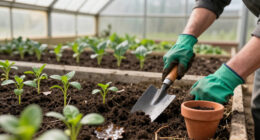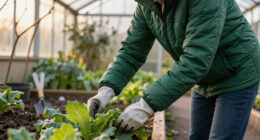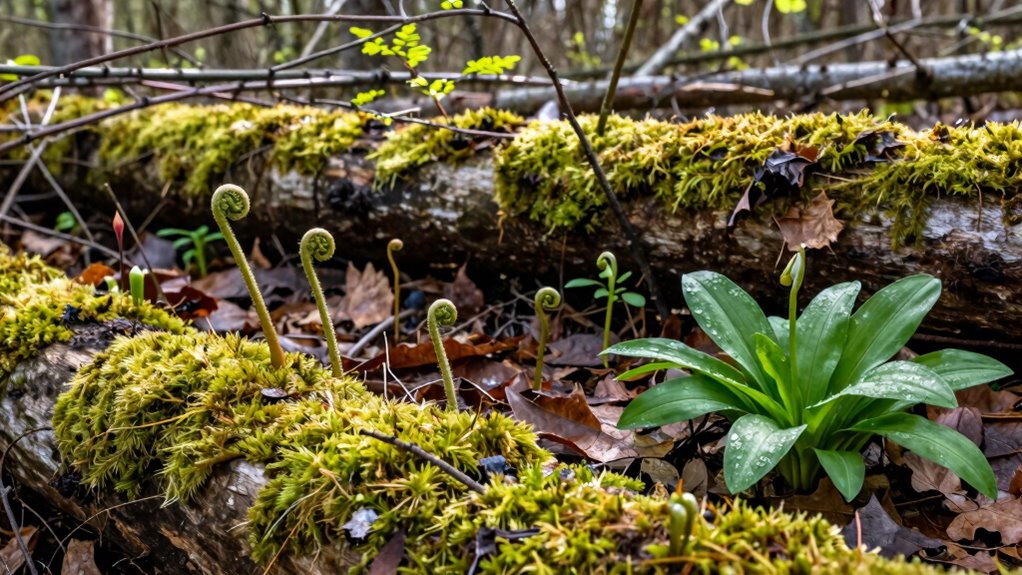

You might find wild foods arriving earlier than usual, as climate changes shift seasonal cues. Greens like nettles and sorrel sprout sooner, mushrooms begin weeks ahead, and signs of new growth appear in late winter or early spring. To catch these opportunities, you need to adjust your foraging schedule and stay alert for subtle land signals. Keep paying attention, and you’ll discover how to adapt to these early wild food seasons more effectively.

Get garden gear delivered free with Prime
- Fast, free delivery on millions of items
- Prime Video, Amazon Music and more included
- Member-only deals all year
Key Takeaways
- Wild food seasons are beginning earlier, sometimes as early as late winter or early spring.
- Recognizing ecological cues like early green shoots and fungi helps identify new foraging windows.
- Foraging schedules must adjust to these shifts to avoid missing prime harvest periods.
- Climate changes are causing these seasonal shifts, requiring increased land observation and flexibility.
- Staying aware of environmental signs ensures successful foraging amid evolving natural cycles.
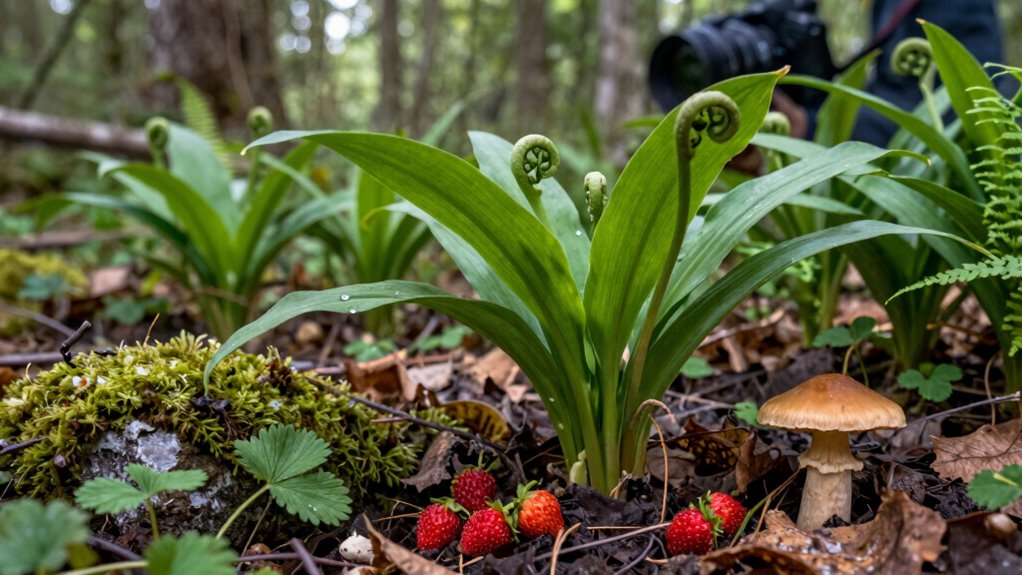
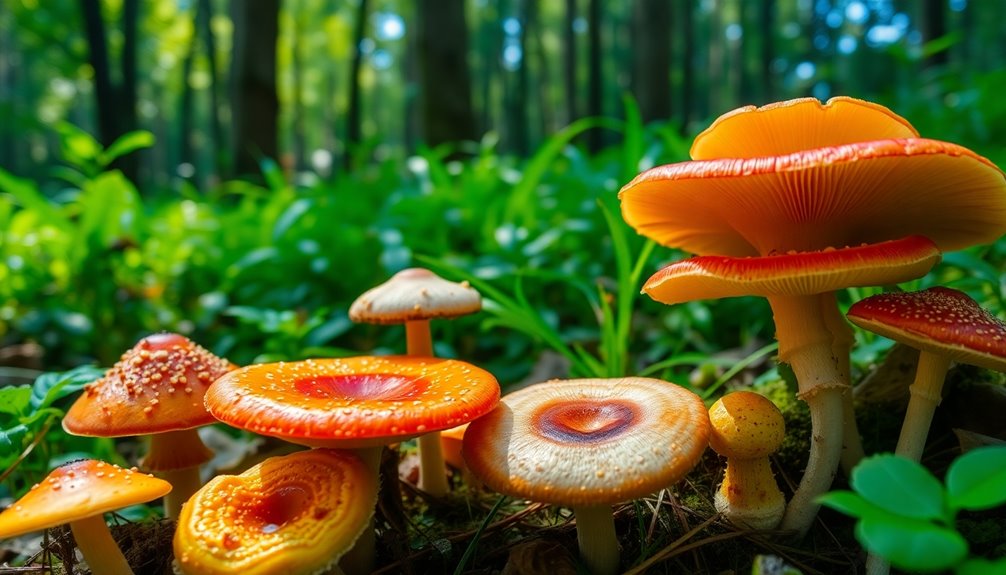
As climate patterns shift, the traditional wild food season is starting earlier than ever before. You might notice it in your local woods and fields—what used to be a late spring or summer bounty now appears weeks earlier. These seasonal shifts mean you need to adapt your foraging habits, paying close attention to nature’s cues. The earlier emergence of edible plants, mushrooms, and berries challenges your usual timing, so staying alert can help you make the most of this unexpected bounty.
Because of these changes, your usual foraging schedule might need to be adjusted. Instead of waiting until late spring or early summer, you could start noticing signs of wild food availability as early as late winter or early spring. For example, certain wild greens, like nettles or sorrel, may sprout sooner, and mushroom seasons might kick off before the typical late spring flush. This requires you to become more observant of the environment, tracking when plants and fungi begin to appear in your area. Relying solely on past experiences could mean missing out on prime foraging opportunities or, worse, harvesting too early and finding your plants aren’t fully ripe or safe to eat. Recognizing seasonal shifts in natural cycles can help you better anticipate these earlier appearances and adapt accordingly. Developing a deeper understanding of ecological cues can guide you in timing your foraging more effectively.
Seasonal shifts are also impacting how you plan your foraging trips. You might need to visit different spots or be more flexible with your timing. As the seasons change earlier, you’ll want to watch for the first signs of growth—such as early buds, fresh shoots, or new fungi. These indicators will help you determine the right moment to harvest, especially since the window for many wild foods can be quite short. Staying connected to the land and noting these subtle changes becomes even more pivotal when seasonal norms are disrupted. Recognizing climate-induced shifts in natural cycles can help you better anticipate these earlier appearances and adapt accordingly. By honing your observation skills, you can better align your foraging practices with the new seasonal patterns.
As an affiliate, we earn on qualifying purchases.
Frequently Asked Questions
How Do Climate Changes Affect Wild Food Availability?
Climate changes impact wild food availability by shifting growing seasons and disrupting ecosystems. You need to practice climate adaptation by adjusting your foraging schedules and locations. As temperatures rise and weather patterns shift, it’s essential to prioritize foraging sustainability, ensuring you harvest responsibly without depleting resources. By staying informed and adaptable, you can enjoy wild foods while helping preserve natural ecosystems for future foragers.
Which Regions See the Earliest Wild Food Harvests?
You’ll find the earliest wild food harvests in southern regions like Florida and Texas, where warmer climates jumpstart foraging festivals and harvest traditions as early as late winter. These areas often see an 8-10 week head start compared to northern regions. This shift means foragers can enjoy wild greens and berries sooner, highlighting how climate change is altering traditional harvest calendars and extending wild food seasons earlier in the year.
Are There Safety Concerns With Early Wild Food Foraging?
Yes, there are safety concerns when foraging early for wild foods. You might encounter toxic plants or poisonous mushrooms that look similar to edible ones. Always identify plants carefully and avoid consuming anything you’re unsure about. Keep in mind that early-season plants can contain higher levels of toxins, so it’s best to forage with expert guidance or reliable resources to prevent poisoning or adverse reactions.
How Can Beginners Identify Early-Season Wild Edibles?
Imagine spotting a tiny, vibrant sprout bursting through the soil—you’re just beginning your wild food adventure! To identify early-season wild edibles, focus on foraging basics like leaf shape, growth patterns, and habitat. Use a reliable field guide or plant identification app, and always double-check features before harvesting. Start with common, easily recognizable plants, and remember: patience and observation turn novice foragers into seasoned experts.
What Traditional Practices Mark the Start of Wild Food Harvesting?
You can mark the start of wild food harvesting through traditional practices like participating in foraging festivals and observing traditional harvest rites. These events often celebrate the first signs of seasonal abundance, guiding you to identify when wild edibles are ripe. Attending local foraging festivals helps you learn from experienced harvesters, while traditional rites emphasize respecting nature’s cycles, ensuring sustainable gathering and deepening your connection to seasonal wild foods.
As an affiliate, we earn on qualifying purchases.
Conclusion
So, as you embrace the wild food year, remember it’s not just about timing; it’s about awareness. Nature’s bounty begins earlier than your calendar suggests, demanding you to stay alert. Like the wise old oak, rooted deep in tradition yet adaptable, you must listen and observe. Don’t wait for the “right” season—start now. After all, in the grand scheme, every day holds a chance to harvest nature’s hidden treasures, just like the ancients did before smartphones.
wild edible plants identification book
As an affiliate, we earn on qualifying purchases.
As an affiliate, we earn on qualifying purchases.
As an affiliate, we earn on qualifying purchases.
Fall yard work Picks
leaf blowers
As an affiliate, we earn on qualifying purchases.