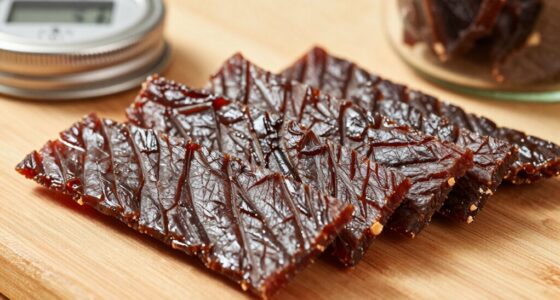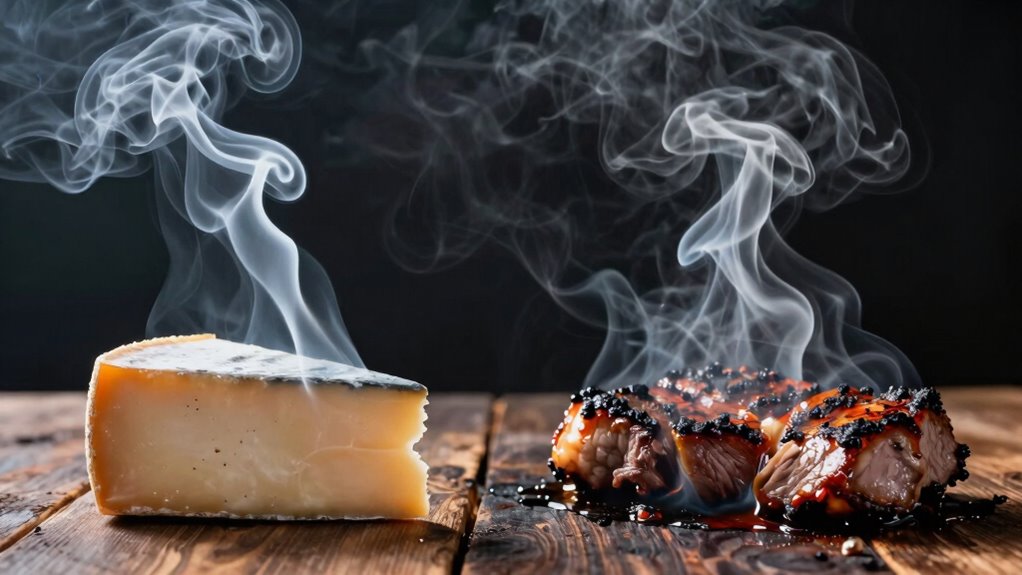

Cold smoking happens below 90°F and mainly enhances flavor through smoke penetration without cooking the food, making it ideal for preservation. Hot smoking occurs between 140°F and 185°F, cooking and flavoring the food at once, which shortens smoke exposure and limits deep flavor. Your choice affects preservation and taste: cold smoking extends storage, while hot smoking creates ready-to-eat dishes. Keep exploring to discover how temperature control can impact your smoking projects even further.

Get garden gear delivered free with Prime
- Fast, free delivery on millions of items
- Prime Video, Amazon Music and more included
- Member-only deals all year
Key Takeaways
- Cold smoking preserves food by adding flavor without cooking, enabling long-term storage and complex smoky tastes.
- Hot smoking cooks the food during smoking, providing immediate ready-to-eat dishes with preserved moisture and flavor.
- Temperature control in cold smoking is critical to prevent bacterial growth while enhancing smoke penetration.
- Hot smoking’s higher temperatures limit smoke absorption but simultaneously eliminate pathogens, ensuring safety.
- The preservation method influences flavor depth and texture, with cold smoking offering more intense smoky flavors.
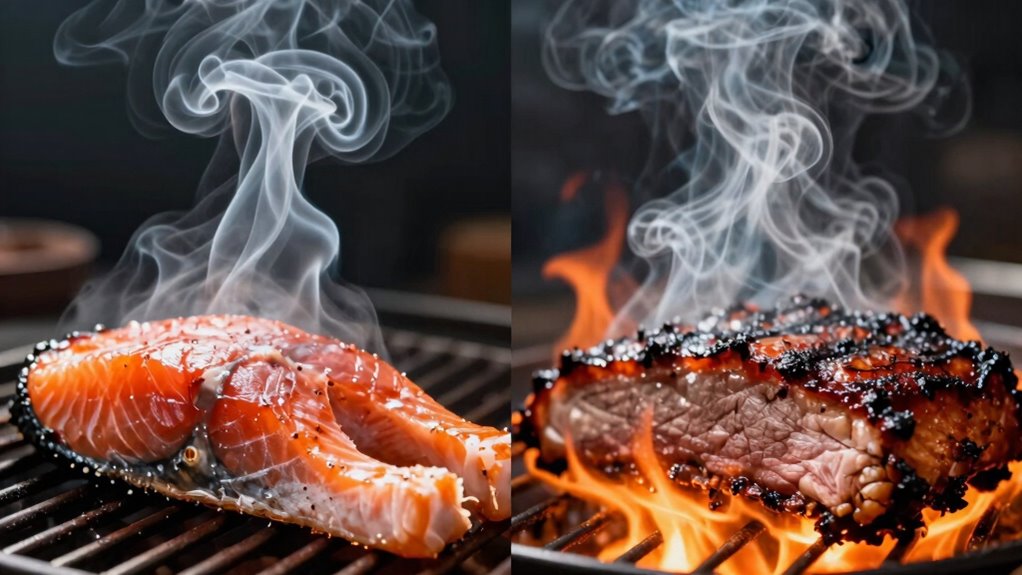
Have you ever wondered how different smoke temperatures affect your smoking experience? When you’re choosing between cold smoke and hot smoke, it’s important to understand how each method impacts flavor and preservation. Cold smoking involves exposing your food to smoke at temperatures typically below 90°F, while hot smoking takes place at higher temperatures, often between 140°F and 185°F. These temperature differences aren’t just about safety; it significantly influence the flavor profile and how well smoke penetrates your food.
Cold and hot smoking differ in temperature, flavor, and preservation, shaping your ultimate smoking experience.
With cold smoking, you’ll notice that the process emphasizes flavor intensity over cooking. Since the food isn’t heated enough to cook through, the smoke’s compounds settle into the surface, creating a deep, smoky flavor that can be quite pronounced. The lower temperatures allow the smoke to permeate the food more thoroughly over time, resulting in a rich, complex taste. This extended exposure enhances smoke penetration, giving your food a layered depth of flavor that hot smoking can’t quite match. Additionally, cold smoking is often used for food preservation, making it ideal for long-term storage of certain foods. Cold smoking also requires careful temperature control to prevent bacterial growth, which is why it’s primarily used for flavoring rather than cooking. However, because the temperature remains low, cold smoking is more about preservation—adding flavor and drying out the surface—rather than actual cooking.
In contrast, hot smoking cooks the food as it smokes, which means the heat causes the smoke to interact differently with your food. The higher temperature shortens the process but produces a different flavor experience. You get a balanced combination of smoke flavor and the warmth that cooks the meat or fish evenly. The heat also causes the smoke to penetrate less deeply than in cold smoking since the surface quickly cooks and seals, limiting further absorption. As a result, the flavor intensity is often more subtle compared to cold smoking, but the smoke’s impact is still noticeable. Hot smoking’s primary advantage lies in its ability to preserve food while simultaneously cooking it, making it practical for preparing ready-to-eat dishes. Additionally, controlling smoke penetration is crucial for achieving the desired flavor profile, especially in hot smoking.
Furthermore, the temperature control during each method plays a vital role in determining the final outcome of your smoked foods, influencing both safety and flavor. Understanding these differences helps you decide which method to use based on your goals. If you want intensely flavored, delicately smoked foods that are preserved over time, cold smoking is your best choice. But if you’re after a quicker process that still infuses flavor while cooking, hot smoking delivers a more straightforward, balanced taste. Ultimately, each method influences how well your smoke penetrates and how intense the flavor becomes, shaping your overall smoking experience. By choosing the right technique, you control not only preservation but also the complexity and richness of your food’s flavor profile. Additionally, knowing the preservation effects of each method can help you plan your smoking projects more effectively.
cold smoke generator for smoking foods
As an affiliate, we earn on qualifying purchases.
As an affiliate, we earn on qualifying purchases.
Frequently Asked Questions
How Does Smoke Temperature Affect Meat Tenderness?
Smoke temperature directly impacts meat tenderness by influencing smoke penetration and moisture retention. Hot smoking, at higher temperatures, helps break down connective tissues, leading to tenderness enhancement. Cold smoking, being cooler, doesn’t considerably affect tenderness but adds flavor. You’ll notice that hot smoke generally results in more tender meat because the heat accelerates the breakdown of tough fibers, making the meat easier to chew and more enjoyable.
Can Cold Smoking Be Done Indoors Safely?
Yes, you can cold smoke indoors safely if you guarantee proper indoor safety measures and smoke ventilation. Use a dedicated cold smoker in a well-ventilated area or near exhaust fans to prevent smoke buildup. Keep the indoor space well-ventilated, and consider using air purifiers. Always follow manufacturer guidelines and local regulations to minimize fire and health risks, making certain your setup is safe and effective.
What Types of Wood Are Best for Hot Smoking?
You’ll want to reach for hardwoods like hickory, apple, cherry, or mesquite for hot smoking—they’re like flavor powerhouses! These woods create bold, rich smoke infusion that elevates your meat with intense wood flavor. Avoid softwoods; they can ruin your smoke with harsh, bitter notes. Using the right wood guarantees your hot smoking delivers mouthwatering, deeply flavored results that will blow your mind and leave everyone craving more.
How Long Can Smoked Foods Be Stored Safely?
You can typically store smoked foods safely for up to 1-2 weeks in the refrigerator, thanks to proper smoke penetration that helps preserve flavor and inhibit bacteria growth. For longer storage, vacuum sealing and freezing extend shelf life to about 2-3 months. Cold smoking, which infuses flavor without cooking, requires careful refrigeration to prevent spoilage, while hot smoked foods should be consumed sooner to enjoy their ideal flavor infusion and freshness.
Does Smoking Alter the Nutritional Value of Food?
Sure, smoking might seem like a magic trick, but it doesn’t turn your food into a health miracle. While it preserves nutrients and can offer some smoking health benefits, it doesn’t drastically alter the food’s nutritional value. So, you still get your protein and vitamins—just with a smoky twist. Think of it as a flavorful upgrade, not a nutritional overhaul, keeping your health in check while delighting your taste buds.
As an affiliate, we earn on qualifying purchases.
Conclusion
In the smoky dance of flavors, cold and hot smoking each play their unique tune. Cold smoke gently whispers, preserving delicate textures like a fragile butterfly, while hot smoke roars like a blazing fire, infusing boldness into your food. Choosing between them is like selecting a brushstroke—delicate or daring—that shapes your culinary masterpiece. Whether you prefer subtle elegance or fiery richness, understanding their differences helps you craft dishes that truly smoke with personality.
As an affiliate, we earn on qualifying purchases.
As an affiliate, we earn on qualifying purchases.
Halloween Picks
halloween
As an affiliate, we earn on qualifying purchases.