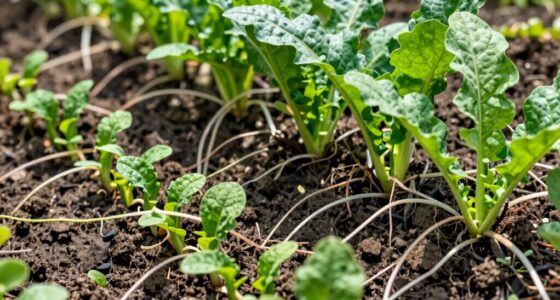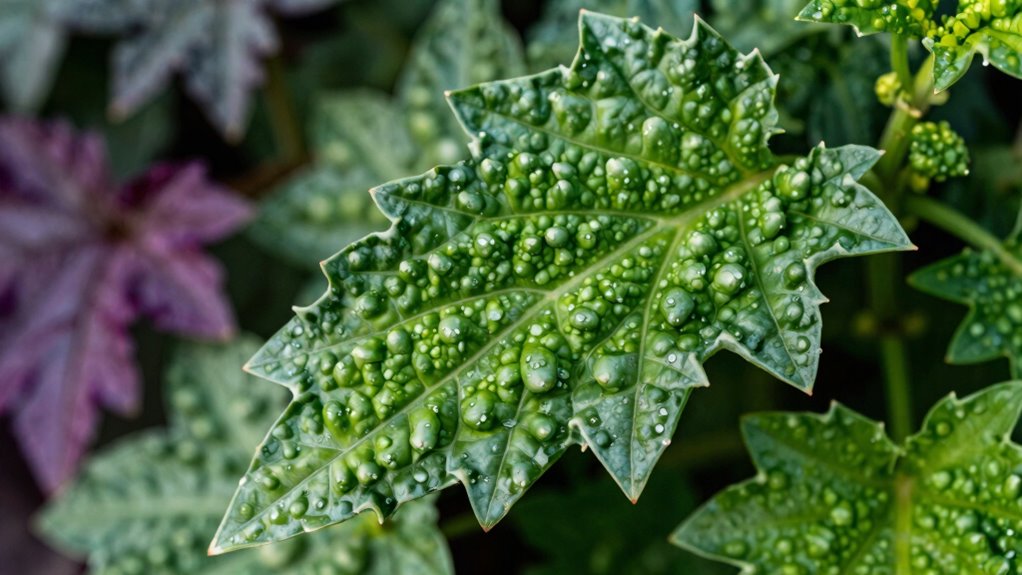

When you encounter bitter plants, it’s a sign they’re signaling environmental stress or defense. These flavors come from compounds like alkaloids and tannins, which protect the plant from predators and help it adapt. By understanding this chemical warning system, you can better grasp the plant’s resilience and ecological role. Pay attention to bitterness—it’s a message about survival strategies. Stick around to uncover deeper insights into what these flavors reveal about nature’s ongoing battle.

Get garden gear delivered free with Prime
- Fast, free delivery on millions of items
- Prime Video, Amazon Music and more included
- Member-only deals all year
Key Takeaways
- Bitter flavor warns of potential toxicity, indicating plants may be unsafe or unpalatable for consumption.
- The presence of bitterness reveals chemical defenses evolved to deter predators and enhance survival.
- Recognizing bitterness helps identify medicinal plants with therapeutic properties derived from their chemical compounds.
- Bitter taste signals ecological interactions, informing foragers about plant resilience and ecological roles.
- Understanding flavor cues like bitterness offers insights into plant adaptation and the evolutionary history of defense mechanisms.
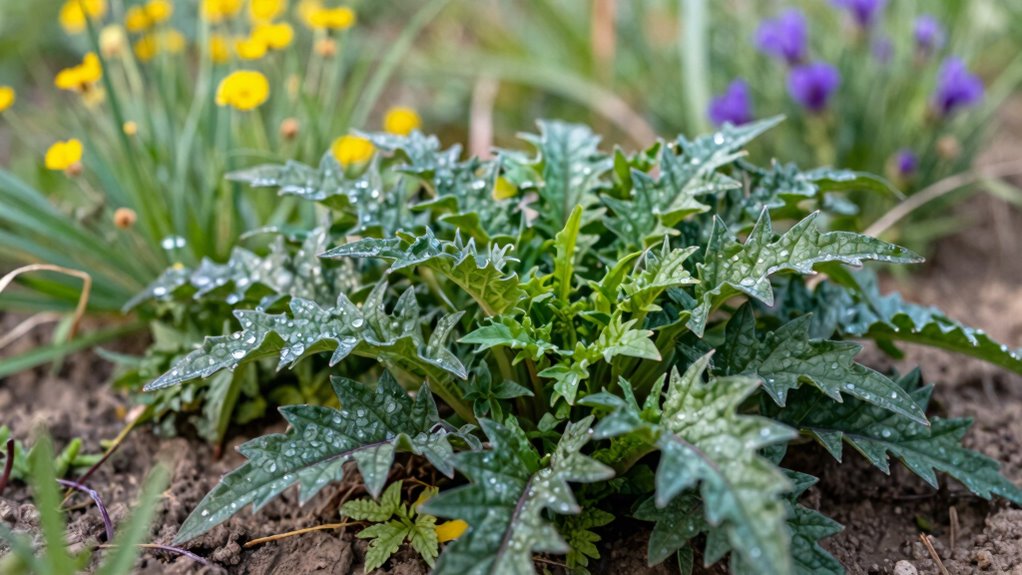
Bitter plants often signal that something in their environment isn’t quite right, and paying attention to their bitterness can offer valuable insights. When you encounter a bitter-tasting plant, it’s a clear sign that the plant has evolved specific strategies—what we call plant adaptation—to survive in its surroundings. This bitterness isn’t just a random trait; it’s an evolutionary defense designed to deter predators, whether they’re herbivores or insects. By understanding this, you can interpret the plant’s signals and gain a deeper appreciation for how nature balances survival and vulnerability.
The bitterness you taste is a result of chemical compounds produced by the plant, such as alkaloids, tannins, or glycosides. These substances serve as a form of defense, making the plant less appealing or even toxic to those that might want to eat it. Over time, plants that develop stronger or more effective bitter compounds are more likely to survive and reproduce. This process, known as natural selection, shapes their evolution, leading to highly specialized defenses that are finely tuned to their environment. When a plant is particularly bitter, it’s fundamentally signaling that it’s actively resisting being consumed, a mark of its ongoing adaptation to its ecological niche.
Bitter compounds like alkaloids and tannins are natural defenses that signal a plant’s ongoing adaptation and survival strategies.
For you, this bitterness can be an important clue about the plant’s nature and its role in the ecosystem. It might also warn you about potential toxicity if you’re considering foraging or using it medicinally. Many medicinal plants rely on their bitter compounds to exert their effects, but some can be harmful if misused. Recognizing the bitterness as a sign of their evolutionary defense mechanisms** helps you appreciate the plant’s resilience and the delicate balance it maintains. It’s a reminder that plants are not passive organisms; they are constantly adapting, fighting back, and communicating through their chemical signals. This chemical complexity reflects the adaptation strategies** that have allowed plants to survive in competitive and often hostile environments.
In effect, the bitterness of a plant is a language—a coded message stemming from millions of years of evolution. It tells you about the plant’s history of survival strategies and its ongoing battle against predators. When you pay close attention to these flavor clues, you’re gaining insight into the intricate ways plants defend themselves and adapt to their environment. This understanding not only enriches your knowledge of botany but also encourages a more respectful and cautious approach when interacting with these living, adaptive systems. Recognizing chemical defense mechanisms in plants deepens your appreciation for their resilience and evolutionary complexity. In the end, every bitter taste is a story of resilience, evolution, and survival written into the plant’s chemistry.
As an affiliate, we earn on qualifying purchases.
Frequently Asked Questions
Can Bitter Plants Be Safe to Eat Despite Their Taste?
Yes, some bitter plants are safe to eat because their bitter flavor signifies they contain beneficial compounds rather than toxins. Understanding the difference between edible versus toxic plants is essential. The bitter flavor often signals a plant’s natural defense, but many edible herbs and vegetables, like arugula or dandelion greens, are bitter yet safe. Always research thoroughly or consult experts before consuming wild plants to avoid potential poisoning.
Do All Bitter Plants Contain the Same Types of Alkaloids?
You’ll find that not all bitter plants contain the same types of alkaloids; in fact, alkaloid diversity varies widely among species. About 20% of flowering plants produce alkaloids, which can range from beneficial medicinal compounds to toxic substances. This diversity influences plant toxicity, meaning some bitter plants are safe to eat, while others can be harmful. Always identify specific alkaloids to understand a plant’s safety and potential benefits better.
How Can I Identify Bitter Plants in the Wild?
To identify bitter plants in the wild, pay attention to wild plant cues like leaf shape, smell, and taste, but always test cautiously. Notice the diversity of bitter plant species—some have tough leaves or distinctive aromas. Use your senses carefully: a bitter taste can be a clue, but avoid swallowing unknown plants. Learning local flora and consulting guides or experts enhances your ability to recognize bitter plants safely.
Are Bitter Plants Used in Traditional Medicine Worldwide?
Yes, bitter plants are widely used in traditional medicine across cultures. You’ll find them in remedies for digestion, inflammation, and more, reflecting their traditional uses. Their cultural significance runs deep, symbolizing health and healing in many societies. These plants often carry a long history of medicinal use, suggesting that their bitterness signals bioactive compounds beneficial for health. Exploring these traditional practices reveals how flavor guides their medicinal importance worldwide.
Can Cooking Reduce the Bitterness in Plants?
Yes, cooking can reduce bitterness in plants through flavor masking and specific techniques. Boiling, blanching, or soaking in salt water helps leach out bitter compounds, making the flavor milder. Using methods like sautéing or roasting can also break down bitter elements. Adding ingredients like sugar, honey, or dairy further masks bitterness. Experimenting with these cooking techniques allows you to enjoy plants that might otherwise be too bitter for your taste.
As an affiliate, we earn on qualifying purchases.
Conclusion
As you walk through the garden of life, those bitter plants whisper secrets in your ear, their sharp flavors symbols of resilience and truth. Embrace their message: sometimes, life’s most valuable lessons come with a tang. Just like these resilient leaves, you’re invited to savor challenge and find strength in each bitter note. Let their symbolism guide you—reminding you that even the toughest tastes hold wisdom and beauty waiting to be uncovered.
As an affiliate, we earn on qualifying purchases.
foraging guide for bitter plants
As an affiliate, we earn on qualifying purchases.
As an affiliate, we earn on qualifying purchases.
Fall yard work Picks
leaf blowers
As an affiliate, we earn on qualifying purchases.