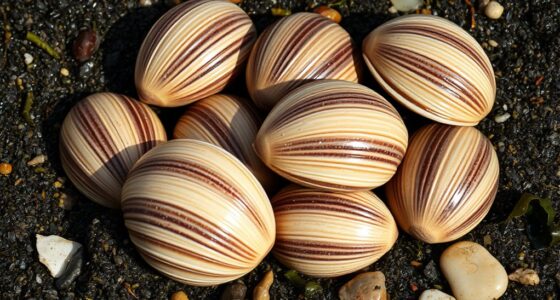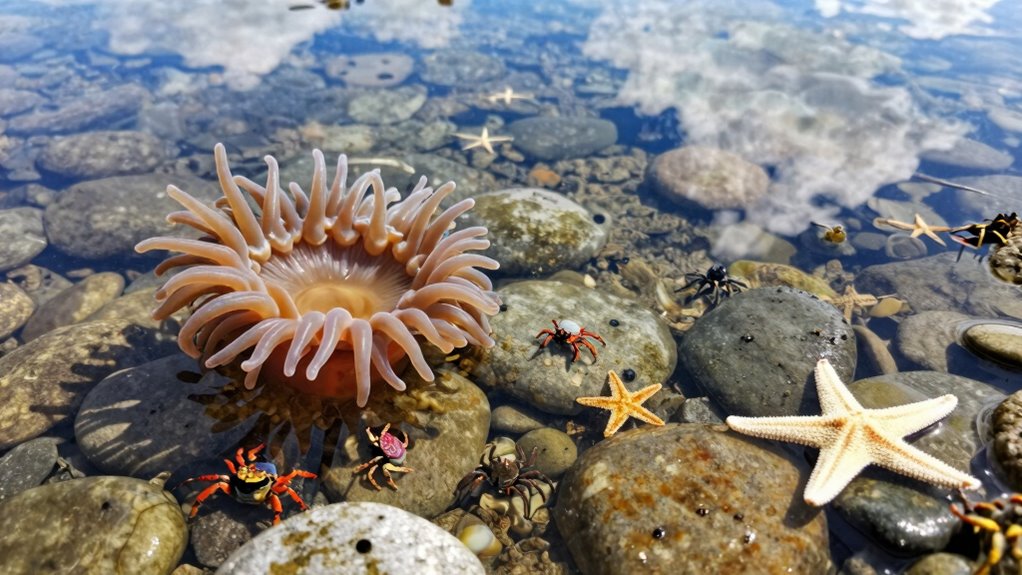

When exploring tide pools, you should observe wildlife without disturbing or collecting them, taking photos that don’t harm or remove creatures. Be careful when moving around, avoiding stepping on fragile structures like corals or sea anemones. Use gentle touches on shells or seaweed, and wash your hands afterward. Always dispose of trash properly and leave the area cleaner. Following these simple habits helps protect delicate marine life, and if you keep going, you’ll learn even more ways to preserve these vibrant ecosystems.

Get garden gear delivered free with Prime
- Fast, free delivery on millions of items
- Prime Video, Amazon Music and more included
- Member-only deals all year
Key Takeaways
- Observe tide pool creatures from a distance without disturbing or collecting them.
- Move carefully to avoid crushing fragile animals or their habitats.
- Handle shells and seaweed gently, avoiding pulling animals out of the water.
- Properly dispose of trash to prevent harm to marine life and keep the area clean.
- Promote conservation by respecting habitats and practicing eco-friendly behaviors.

When exploring tide pools, it’s important to remember that these delicate ecosystems can be easily disturbed. The tiny creatures and plants living there depend on your careful behavior to survive and thrive. By practicing simple respect rules, you contribute to marine conservation and help maintain the ecological awareness necessary to protect these fragile habitats. Every step you take can have a lasting impact, so it’s crucial to be mindful of your actions.
First, always observe rather than collect. It’s tempting to pick up shells, sea stars, or other creatures, but removing them from their environment can disrupt local populations and upset the ecological balance. Instead, take photos and enjoy the scenery from a respectful distance. If you want to learn more about specific species, consider using a guidebook or app to identify them without disturbing their natural setting.
Observe and photograph tide pool creatures—avoid removing them to protect their natural environment.
When you walk along tide pools, keep an eye on where you step. Avoid stomping or standing on creatures or their homes, like coral or barnacles. Your weight can crush fragile animals or displace important structures that provide shelter for many species. Remember, these creatures have adapted to their environment and are not resilient to human interference. Moving carefully not only protects them but also preserves the natural beauty for future visitors.
Touch with caution. If you do want to feel the textures of shells or seaweed, do so gently and only when appropriate. Never grasp or yank animals out of the water, as this can cause injury. Be aware of your hands, and wash them afterward to prevent the spread of germs or invasive species. Respecting the animals’ comfort and safety is part of ecological awareness, reinforcing your role in marine conservation. Additionally, understanding the importance of biodiversity helps us recognize why protecting each tiny organism is vital for the health of the entire ecosystem.
Lastly, dispose of trash properly. Even small bits of plastic or food wrappers can harm marine life. Use designated bins or take your waste with you. Leaving the tide pool area cleaner than you found it not only benefits the environment but also sets a good example for others. By keeping the area pristine, you help ensure these ecosystems remain vibrant and accessible for generations to come.
Your mindful conduct in tide pools fosters ecological awareness and supports marine conservation efforts. It’s about more than just enjoying nature—it’s about protecting it. With each respectful action, you help preserve these fragile habitats and ensure that their beauty and biodiversity endure. Remember, your role is vital, and simple habits can make a significant difference in safeguarding the tiny, intricate world beneath the waves.
As an affiliate, we earn on qualifying purchases.
Frequently Asked Questions
Can I Take Creatures Home From Tide Pools?
You shouldn’t take creatures home from tide pools. Engaging in marine life conservation means respecting these fragile ecosystems and practicing ethical collection, which involves observing and appreciating marine life without disturbing or removing animals. Removing tide pool creatures can harm local populations and disrupt their environment. Instead, enjoy watching and photographing them, and leave everything as you found it, helping to preserve the delicate balance of tide pools for future visitors.
What Should I Wear When Exploring Tide Pools?
Imagine you’re a Victorian explorer, ready to discover hidden tide pools. You should wear appropriate footwear, like sturdy, non-slip shoes, to protect your feet and avoid slipping. Consider weather conditions—bring layers if it’s chilly or wet. Dress in quick-drying clothes, and don a hat or sunglasses for sun protection. Being prepared helps you enjoy your adventure safely while respecting the delicate ecosystem beneath your feet.
Are There Specific Times Best for Tide Pool Visits?
The best times for tide pool visits depend on timing considerations like low tide, which reveals more marine life and makes exploration easier. Seasonal variations also matter; spring and summer often offer warmer weather and more vibrant ecosystems. Check local tide charts for precise timing, and plan your visit around low tide windows. Visiting during these ideal times helps you see more wildlife while minimizing disturbance to fragile marine environments.
How Can I Identify Different Tide Pool Species?
Imagine you’re exploring a vibrant tide pool, enthusiastic to identify its inhabitants. To do this, observe distinctive features like shape, color, and size. Use a field guide or app for accurate species identification, focusing on marine habitat clues. For example, a star-shaped body with five arms likely indicates a sea star. Paying close attention helps you appreciate the diversity while respecting the fragile marine environment.
What Should I Do if I Find Injured Marine Life?
If you find injured marine life, handle delicate ecosystems carefully by avoiding unnecessary contact and supporting the animal gently if needed. Don’t attempt to treat injuries yourself; instead, contact a local marine rescue organization or wildlife professional. Practice ethical collecting by leaving animals where you found them and respecting their habitat. Your goal is to minimize stress and harm, ensuring the marine creatures have the best chance to recover naturally.
As an affiliate, we earn on qualifying purchases.
Conclusion
By following these simple, respectful rules, you’ll protect the tiny, tender tide pool treasures. Respect, refrain, and remember—tread thoughtfully, touch gently, and take only memories, not miracles. Your mindful movements make a mighty difference in maintaining these marvelous mini ecosystems. Let’s lead with love, listen with care, and leave the littlest life undisturbed. Together, we can keep tide pools thriving, treasures for tomorrow’s tide. Make your visit meaningful, mindful, and memorable.
eco-friendly tide pool exploration kit
As an affiliate, we earn on qualifying purchases.
As an affiliate, we earn on qualifying purchases.
marine conservation educational toys
As an affiliate, we earn on qualifying purchases.
As an affiliate, we earn on qualifying purchases.
Halloween Picks
halloween
As an affiliate, we earn on qualifying purchases.