When foraging crabs by hand or trap, always follow local rules and regulations, including seasonal limits and size restrictions, to protect crab populations. Respect their habitats by avoiding damage to sand, rocks, or seagrasses, and use traps responsibly, checking them often and removing them properly. Approach quietly and carefully to avoid scaring crabs away. To guarantee safety and sustainability, learn about your area’s specific guidelines—more details are just a step away.

Get garden gear delivered free — and shop member deals
- Fast, free delivery on millions of items
- Access to Prime Big Deal Days deals on October 6–7
- Prime Video, Amazon Music and more included
Key Takeaways
- Check local regulations for crab harvesting seasons, size limits, permits, and trap restrictions before foraging.
- Use quiet, careful approaches and natural hiding spots like rocks and seaweed to find crabs by hand.
- Follow rules for trap placement, baiting, and marking traps; check them frequently to prevent habitat damage.
- Respect crab habitats by avoiding overharvesting, unattended traps, and environmental harm during foraging activities.
- Prioritize safety by handling crabs carefully, using proper tools, and being aware of local safety guidelines and environmental conditions.

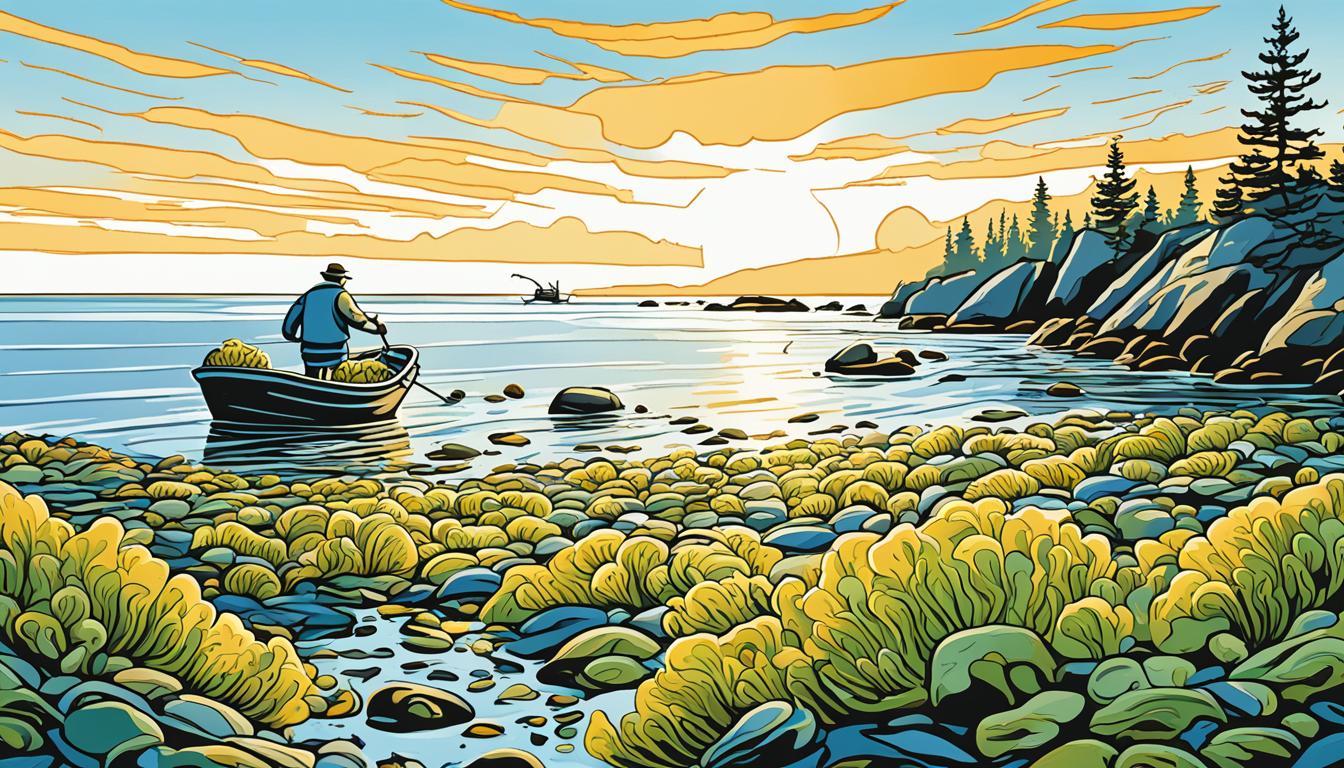
Crabs are remarkable foragers, constantly searching their environment for food to sustain themselves. Their ability to adapt to various habitats makes them fascinating creatures to observe and harvest. When you’re out foraging crabs, understanding their preferred crab habitat is essential. Crabs thrive in diverse environments, from sandy beaches and rocky shores to mangroves and marshes. Each habitat offers different opportunities and challenges, so knowing where to look increases your chances of success. For example, soft sandy areas often host species like blue crabs, while rocky crevices are hotspots for more elusive crabs. Recognizing these habitats helps you target your efforts effectively and avoid wasting time in less productive areas.
As you venture into these environments, it’s equally important to familiarize yourself with foraging regulations. These rules are in place to protect crab populations and ensure sustainable harvesting. Many regions have specific crab seasons, size limits, and catch quotas, all designed to prevent overharvesting. Before you start, always check local regulations to avoid fines or legal issues. Some areas may require permits or restrict the use of certain tools like traps or nets. Respect these guidelines, not only to stay compliant but also to contribute to the preservation of crab populations for future generations. Overharvesting can deplete local stocks and harm the delicate balance of the ecosystem, so practicing responsible foraging is essential.
When hunting for crabs by hand, pay attention to their natural hiding spots—under rocks, within seaweed, or in burrows—and approach quietly. Using traps can be more efficient, but even then, you must follow foraging regulations regarding trap placement and baiting. Make sure your traps are marked and not left unattended for too long to prevent accidental catch of non-target species or entanglement of protected marine life. Always remove your traps responsibly and check them frequently. Remember, crab habitat is fundamental for their survival, and overharvesting or careless trapping can damage their environment. Being mindful of where and how you forage helps sustain crab populations and supports the health of the ecosystem.
In essence, successful crab foraging involves understanding their habitat and adhering to foraging regulations. By respecting their environment and following the rules, you can enjoy harvesting crabs safely and sustainably. This responsible approach ensures that crabs continue to thrive in their natural habitats while providing you with a rewarding experience. Whether you’re catching crabs by hand or using traps, your awareness and respect for these guidelines make all the difference in preserving the species and enjoying the activity for years to come.
Frequently Asked Questions
What Are the Best Times of Day to Forage Crabs?
The best times of day to forage crabs depend on tidal influences and timing considerations. You should go during low tide or just before it, as crabs tend to gather near the shoreline then. Early mornings or late afternoons are ideal because the water’s calmer, and crabs are more active. Avoid mid-day when the tide is high, as crabs tend to hide or retreat into deeper waters.
Are There Any Permits Required for Crab Foraging?
Yes, you often need permits for crab foraging. Check local regulations compliance, as permit requirements vary by location. Some areas require a specific shellfish or crab harvesting permit, while others may have seasonal or size restrictions. Always verify with local authorities or fish and wildlife agencies before you start. Failing to obtain necessary permits can lead to fines or penalties, so it’s essential to stay informed and follow all regulations.
How Do I Identify Edible Crab Species?
Imagine spotting a crab with distinctive shell patterns—these often help you distinguish edible species from toxic ones. You look for specific features like the shape of the claws, coloration, and texture of the shell. Edible crabs typically have well-defined, symmetrical shells and vibrant colors, whereas toxic species may have irregular patterns or dull appearances. By paying close attention to these visual cues, you can confidently identify safe crabs to harvest.
What Should I Do if I Encounter a Protected Crab Species?
If you encounter a protected species, you should immediately stop any foraging activity and carefully observe the crab without disturbing it. Do not attempt to catch or remove the protected crab, as doing so can lead to serious legal consequences. Instead, report the sighting to local authorities or wildlife agencies. Safeguarding these species helps preserve the ecosystem, so your responsible actions ensure you stay within legal boundaries and support conservation efforts.
Can I Forage Crabs in Freshwater or Only Saltwater?
You wonder if you can forage crabs in freshwater or only saltwater. The answer is, it depends. Saltwater crabs thrive along coastlines, while freshwater crabs inhabit rivers and lakes. Venturing into freshwater foraging might surprise you with unexpected finds, but always check local regulations first. Whether saltwater or freshwater, respecting the environment guarantees you enjoy your crabbing adventure safely and sustainably.
Conclusion
Remember, respectful, and responsible crabbing keeps the coast clean and communities caring. Follow the rules, respect the regulations, and always prioritize safety, whether you’re foraging by hand or trap. Stay vigilant, be cautious, and embrace the excitement without endangering yourself or the environment. Your careful conduct creates a caring community, conserving crabs and coastlines for countless carefree crabbing adventures to come. Keep crabby conduct courteous, cautious, and conscious—crabbing’s charm depends on it!
Fall Picks
fall essentials
As an affiliate, we earn on qualifying purchases.