TL;DR
Planting hyacinth bulbs in September can produce fragrant Christmas flowers indoors. This guide confirms the best planting methods and timing for successful blooms. Details on soil, temperature, and care are included.
Gardening enthusiasts can now confidently plant hyacinth bulbs in September to enjoy fragrant, colorful Christmas flowers indoors, according to horticultural sources. This confirmed practice allows for timely bloom development, making it a popular choice for holiday decoration. You might also consider Plant These 6 Bulbs In September For Enchanting Flowers That Appear Like Magic Through Fall to enhance your garden’s fall display.
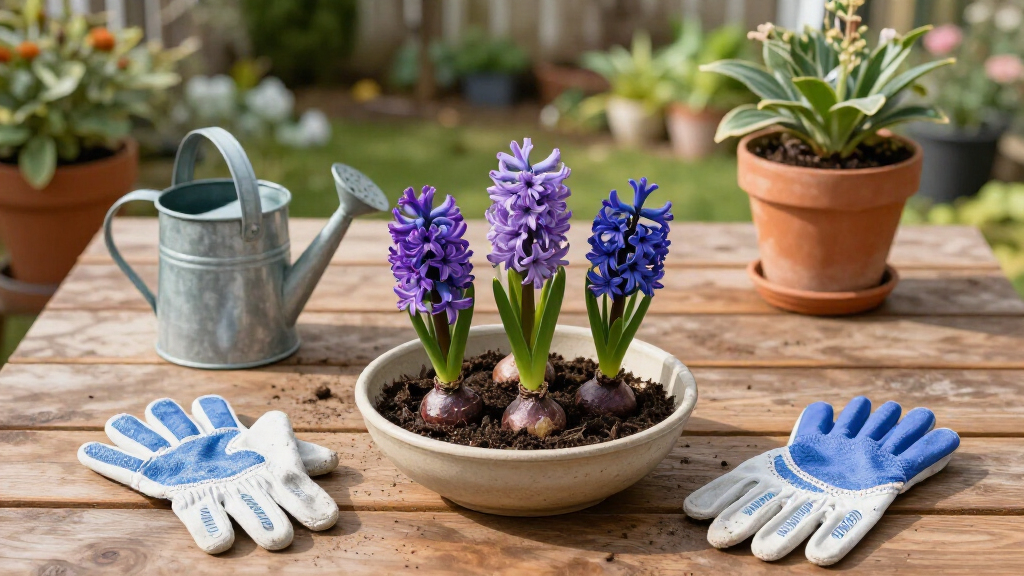
Experts recommend planting hyacinth bulbs in September, ideally six to eight weeks before the expected bloom time in December. For more fall planting tips, see Plant These $1 Bulbs In Your Lawn Now For Drifts Of Pretty Fall Flowers. The process involves selecting healthy bulbs, choosing appropriate containers, and providing the right soil conditions. Hyacinths thrive in well-draining soil with a neutral to slightly acidic pH, and they require a period of cold dormancy to flower properly.
Plant bulbs at a depth of about three times their height, typically 4 to 6 inches deep, with the pointed end facing upward. To ensure your Christmas cactus blooms beautifully, check out What A Christmas Cactus Needs In September For The Most Gorgeous Holiday Flowers – 6 Tasks That Decide Whether It Blooms. Use bowls or pots with drainage holes to prevent waterlogging, which can cause bulb rot. Keep the planted bulbs in a cool, dark place initially to simulate winter conditions, then move them to a bright, cool windowsill as they begin to sprout. Regular watering, avoiding over-saturation, is essential during this period.
According to horticultural advice, the key to successful indoor hyacinth flowering is timing; planting too early may cause the bulbs to sprout prematurely, while planting too late could delay blooming past the holiday season. The process is well-established, but specifics may vary based on local climate and indoor conditions.
Why September Planting of Hyacinths Matters for Holiday Decor
Planting hyacinth bulbs in September ensures a reliable supply of fragrant, colorful flowers in December, enhancing indoor holiday decor. This practice allows gardeners to enjoy natural, festive blooms without relying on store-bought flowers, adding a personal touch to holiday celebrations. Additionally, growing hyacinths indoors can bring a sense of achievement and seasonal cheer during the darker winter months.
With proper timing and care, hyacinths can provide a striking sensory experience, filling rooms with their sweet scent and vibrant colors. This confirmed method supports sustainable and cost-effective holiday decorating, making it a popular trend among gardening enthusiasts and interior decorators alike.
As an affiliate, we earn on qualifying purchases.
Established Hyacinth Planting Practices for Indoor Blooms
Hyacinths are traditionally planted outdoors in autumn for spring flowering, but recent gardening trends highlight planting bulbs indoors in September to produce Christmas blooms. The practice hinges on understanding the bulb’s dormancy requirements and mimicking winter conditions through temperature control and timing.
While the general principles of hyacinth cultivation are well-known—such as planting depth, soil type, and watering—specific advice for indoor planting in September is gaining popularity, driven by seasonal decorating needs. The trend signals a shift toward more personalized, home-based flower cultivation for festive seasons, though the exact timing and techniques are still being refined by gardeners.
As an affiliate, we earn on qualifying purchases.
Unconfirmed Aspects of September Hyacinth Planting Timing
While planting in September is generally recommended, exact timing may vary based on local climate, indoor temperature, and bulb variety. It is not yet clear how much variation in timing affects flowering success or how different indoor environments influence bloom quality. The specific cold treatment duration and light requirements for optimal results are still being studied, and some gardeners report inconsistent outcomes.
hyacinth bulbs for Christmas blooms
As an affiliate, we earn on qualifying purchases.
As an affiliate, we earn on qualifying purchases.
Next Steps for Successful Indoor Hyacinth Blooms This Season
Gardeners should focus on selecting healthy bulbs, preparing appropriate containers, and controlling indoor temperature and light. Monitoring and adjusting watering schedules will also be crucial. As the season progresses, gardeners are encouraged to document their results and share insights to refine best practices. Experts expect more tailored advice to emerge as more gardeners experiment with indoor planting in September for holiday blooms.
hyacinth flower pots with drainage
As an affiliate, we earn on qualifying purchases.
As an affiliate, we earn on qualifying purchases.
Key Questions
When is the best time to plant hyacinth bulbs indoors for Christmas blooms?
The confirmed window is in September, ideally six to eight weeks before the desired December bloom, to allow proper growth and flowering.
What soil should I use for planting hyacinths indoors?
Use well-draining soil with a neutral to slightly acidic pH, such as a mix designed for bulbs or container plants, to prevent rot and promote healthy growth.
How do I ensure my hyacinths bloom on time for Christmas?
Maintain cool temperatures initially, provide bright indirect light as they sprout, and avoid overwatering. Timing planting in September helps synchronize flowering with the holiday season.
Can I plant hyacinths earlier or later than September?
Planting earlier may cause premature sprouting, while later planting might delay flowering beyond Christmas. The recommended window is in September for reliable results.
Are there any risks to indoor hyacinth planting in September?
Risks include improper temperature control, overwatering, or using poor-quality bulbs, which can result in poor flowering or bulb rot. Following recommended practices minimizes these risks.
Source: rss