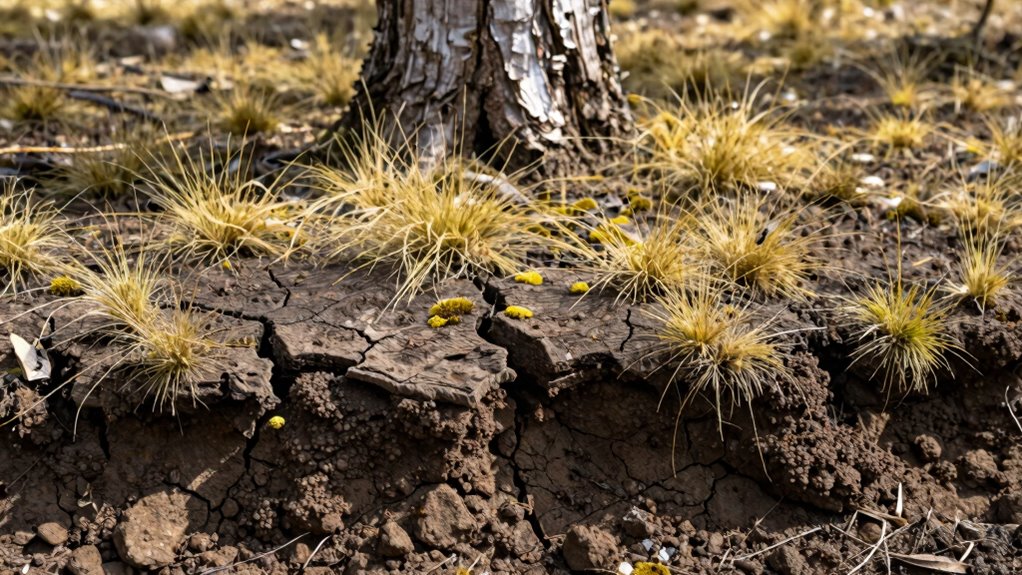

You should leave a patch completely alone during sensitive periods like breeding seasons, when young animals are nearby, or if you notice signs of habitat degradation or environmental stress. Avoid areas with active nests, nesting sites, or recent storm-damaged habitats. Minimizing disturbance helps protect wildlife from stress or abandonment. Staying cautious is essential, especially in fragile environments. If you want to understand more about how to identify these signs and protect ecosystems, keep exploring this topic further.
Key Takeaways
- During breeding seasons or when active nests are present to prevent disturbance and abandonment.
- When signs of wildlife stress or unusual animal behavior are observed in the area.
- In habitats affected by recent storms, drought, or environmental degradation needing minimal interference.
- Near sensitive or rare plant communities, especially if signs of habitat fragility are evident.
- When posted signs, barriers, or indicators identify the area as protected or sensitive.
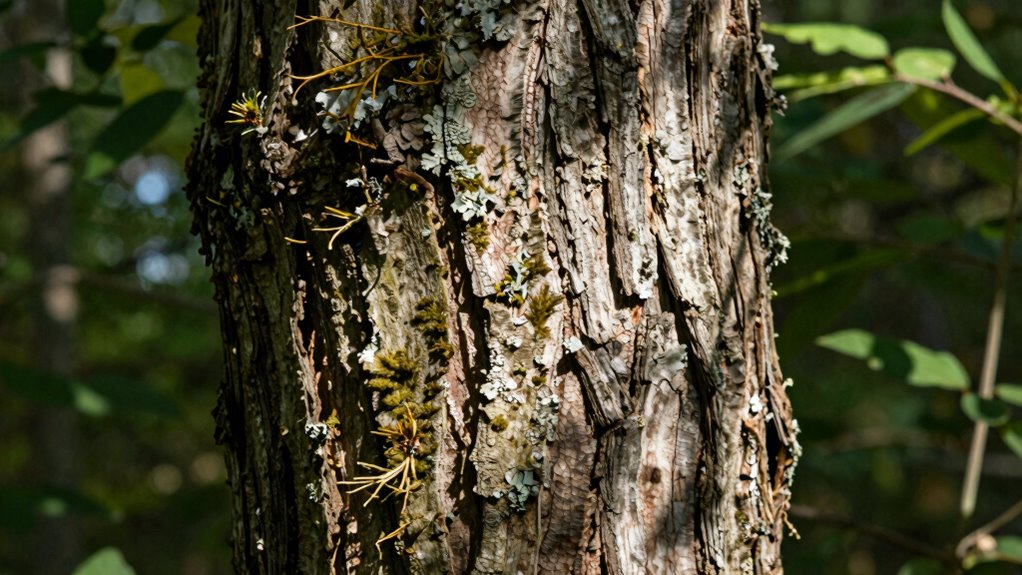
Ever wonder when it’s best to leave a patch completely alone? Recognizing the right moments to step back is vital for protecting the environment and preserving wildlife. When you notice signs of wildlife disturbance—such as animals fleeing from their habitats or becoming unusually shy—it’s a clear indicator that the area needs to be left untouched. Human presence, even if unintentional, can cause stress to animals, disrupt their natural behaviors, and lead to long-term negative effects on their populations. By avoiding unnecessary interference, you help minimize this disturbance and allow the ecosystem to function as it should.
Leaving a patch alone is particularly important during sensitive periods, like breeding seasons or when young animals are present. During these times, animals are especially vulnerable, and any disturbance can result in abandoned nests, missed feeding opportunities, or even injury. If you see signs of active nesting or young wildlife, it’s best to give the area a wide berth. This practice not only reduces wildlife disturbance but also prevents potential environmental impacts, such as trampling vegetation or compacting soil, which could hinder plant regrowth and soil health. Recognizing ecological sensitivity helps ensure that your actions support, rather than hinder, recovery efforts.
Another key factor to bear in mind is the overall condition of the environment. If a patch appears fragile—such as areas affected by recent storms, drought, or human activity—disturbing it could exacerbate erosion, habitat degradation, or soil compaction. When you see signs of environmental stress, it’s wise to step back and let nature recover naturally. Interfering during such vulnerable times can cause more harm than good, disrupting the delicate balance of the ecosystem and prolonging recovery. Understanding ecosystem resilience can guide you in making better decisions about when to intervene and when to leave nature undisturbed. Additionally, being aware of environmental vulnerabilities can help you identify when your presence might do more harm than good. Recognizing environmental stressors can further enhance your understanding of when minimal disturbance is key to ecological recovery.
In addition to wildlife and environmental considerations, respecting posted signs, barriers, or guidelines is essential. These indicators are there for a reason, often marking protected areas or sensitive habitats. Ignoring them can lead to unintended consequences, like spreading invasive species or damaging rare plant communities. When in doubt, it’s always best to err on the side of caution and leave the patch untouched, especially if your actions might cause lasting harm. Recognizing natural habitat boundaries further emphasizes the importance of respecting designated areas to preserve ecological integrity.

Bushnell PowerView 2 20×50 Binoculars – High-Definition with Multi-Coated Lenses, Durable Aluminum Alloy Chassis, Wide Field of View, Ideal for Wildlife Observation, Hiking and Sporting Events
- Trusted Brand: Bushnell PowerView 2 binoculars from USA
- Durable Construction: Aluminum alloy chassis for long-lasting use
- High-Quality Optics: Multi-coated lenses for bright, clear images
As an affiliate, we earn on qualifying purchases.
As an affiliate, we earn on qualifying purchases.
Frequently Asked Questions
Can Leaving a Patch Alone Harm My Skin?
Leaving a patch alone can harm your skin if it causes irritation or allergic reactions. If you notice redness, swelling, or itching, it’s best to remove the patch to prevent further skin irritation. Ignoring these signs can lead to worsening discomfort or more serious reactions. Always follow the instructions provided and consult a healthcare professional if you experience persistent skin irritation or allergic reactions from the patch.
How Long Should I Wait Before Reapplying a Patch?
You should wait at least 24 hours before reapplying a patch, even if you’re anxious to get more treatment. Ironically, removing a patch too soon can cause skin irritation and diminish effectiveness, so give your skin time to recover after patch removal. Rushing reapplication might seem tempting, but it risks irritation and reduces the patch’s benefits. Patience ensures better results and healthier skin.
Are There Signs Indicating I Should Stop Using a Patch?
If you notice skin sensitivity, redness, itching, or swelling, it’s a sign to stop using the patch and consider patch disposal. Persistent discomfort or allergic reactions indicate you should discontinue use immediately. Always remove the patch carefully, dispose of it properly, and consult your healthcare provider if symptoms persist or worsen. Listening to your skin’s signals helps prevent irritation and guarantees safe, effective use of patches.
What Alternative Methods Exist if a Patch Doesn’t Work?
If a patch isn’t delivering medication effectively or causes skin irritation, consider switching methods. You might try oral medications, injections, or topical creams, each acting like different roads leading to the same destination. These alternatives bypass skin irritation, ensuring better medication absorption. Always consult your healthcare provider to choose the most suitable method, turning your treatment journey from a bumpy ride into a smoother voyage toward health.
Is It Safe to Leave a Patch on Overnight?
Leaving a patch on overnight is usually safe unless you experience skin irritation or discomfort. If you notice redness, itching, or irritation, it’s best to remove the patch and give your skin a break. Patch removal should be gentle to avoid further skin irritation. Always follow your doctor’s instructions and check the patch’s guidelines. If unsure, consult your healthcare provider to guarantee safe and effective usage.
As an affiliate, we earn on qualifying purchases.
Conclusion
So, next time you spot a patch untouched and seemingly abandoned, remember—sometimes the best move is to leave it alone. Ironically, your urge to intervene might do more harm than good, disrupting a delicate balance that has thrived in quiet patience. Instead of rushing in, step back and resist the temptation. Often, the patch’s silence speaks volumes—sometimes, the wisest thing you can do is simply walk away and let nature take its course.
wildlife habitat protection barriers
As an affiliate, we earn on qualifying purchases.
As an affiliate, we earn on qualifying purchases.
environmental stress indicator kits
As an affiliate, we earn on qualifying purchases.
As an affiliate, we earn on qualifying purchases.