
Treat cameras can help you monitor your dog’s behavior and reinforce positive actions like staying calm, especially when combined with rewards. They’re great for identifying triggers and understanding how your dog reacts to being alone. However, they don’t fix underlying issues like lack of exercise or past trauma. These devices work best as part of a broader training plan, so keep exploring ways to support your dog’s needs for longer-term relief.

Get garden gear delivered free with Prime
- Fast, free delivery on millions of items
- Prime Video, Amazon Music and more included
- Member-only deals all year
Key Takeaways
- Treat cameras enable remote monitoring and positive reinforcement but do not address underlying behavioral causes of separation anxiety.
- They support training by rewarding calm behavior but cannot replace systematic behavior modification strategies.
- Cameras help identify triggers and emotional responses, aiding in tailored training approaches.
- They are management tools, not cures, and should be combined with professional guidance and environmental enrichment.
- Effective separation anxiety treatment requires addressing factors like exercise, mental stimulation, and underlying trauma beyond technology.
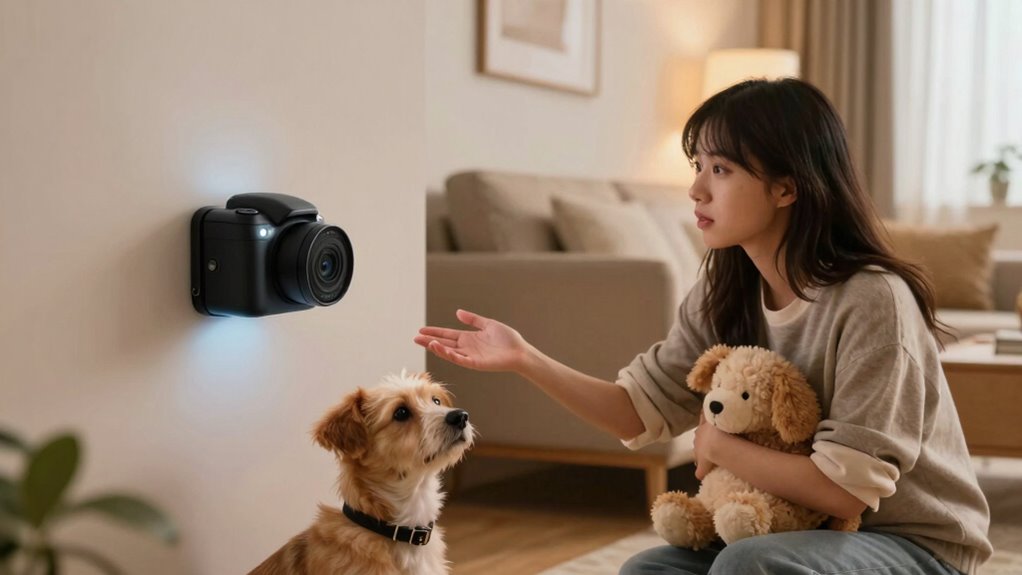
If your pet experiences separation anxiety, using treat cameras can be a game-changer. These devices let you monitor your dog while you’re away, and many come with features like treat dispensing and two-way audio. When used correctly, they can help you better understand your dog’s behavior and respond appropriately. However, relying solely on treat cameras won’t solve underlying issues related to dog behavior or replace effective training techniques. They’re tools to complement your efforts, not quick fixes.
You might notice that some dogs become more anxious when left alone, pacing, whining, or barking excessively. A treat camera allows you to observe these reactions in real-time, giving you insights into what triggers their anxiety. For example, if you see your dog’s tail tucked or ears back when you leave, it’s a sign that your pet is feeling distressed. This awareness helps you develop a more targeted approach, blending technology with proven training methods to ease their anxiety.
Using treat cameras as part of your training strategy can enhance your ability to reinforce positive behaviors. When your dog remains calm, you can remotely dispense treats, rewarding their patience and calmness. This method supports training methods like positive reinforcement, encouraging your pet to associate your departure with good things rather than fear. Over time, consistent rewards help modify dog behavior, making your pup more comfortable when alone. Just keep in mind that training methods should be systematic, patient, and paired with other behavioral modification strategies, such as desensitization and creating a safe, comfortable environment.
Moreover, understanding dog behavior through these devices can help you identify patterns and triggers that may not be obvious without observation. Additionally, some treat cameras include features like behavior analysis that can assist in tracking your dog’s emotional responses over time. It’s also beneficial to consider how biodiversity and environmental enrichment can influence your pet’s mental well-being, creating a more holistic approach. It’s also important to remember that mental stimulation plays a crucial role in reducing separation anxiety, so providing engaging activities can further support your efforts. Incorporating indoor air quality improvements, such as proper ventilation and air purification, can also help create a more calming environment for your pet. Nevertheless, treat cameras aren’t a cure-all. They might help you monitor and manage your dog’s behavior temporarily, but they don’t address the root causes of separation anxiety. If your dog’s anxiety stems from lack of exercise, insufficient mental stimulation, or past trauma, you’ll need to implement extensive training techniques beyond just remote treats. Consulting a professional trainer or a veterinarian can provide tailored guidance to tackle the underlying issues effectively.
dog treat camera with two-way audio
As an affiliate, we earn on qualifying purchases.
As an affiliate, we earn on qualifying purchases.
Frequently Asked Questions
Can Treat Cameras Replace In-Person Pet Care Entirely?
Treat cameras can’t substitute in-person pet care entirely. While remote monitoring lets you see and interact with your pet, and automated feeding ensures they’re fed on schedule, these tools don’t replace the comfort of physical presence. Your pet still needs human interaction, play, and reassurance that only in-person care can provide. Technology helps in emergencies or when you’re away, but it’s no substitute for genuine human connection.
How Do Treat Cameras Impact a Pet’s Long-Term Separation Anxiety?
You might notice that treat cameras can sometimes help with pet behavior and anxiety management, but they rarely solve long-term separation anxiety. It’s like giving your pet a snack when they’re upset—brief comfort, not a cure. Over-reliance on tech may inadvertently make your pet more anxious when you’re gone. Instead, combine camera use with gradual training and positive reinforcement to truly ease their long-term separation worries.
Are Treat Cameras Safe for Pets to Use Unsupervised?
Treat cameras can be safe for pets to use unsupervised if you prioritize pet safety and proper camera placement. Always guarantee the camera is securely installed, out of reach of your pet to prevent accidents, and avoid placing it near hazards like cords or sharp objects. Regularly check the device for stability and function. When used responsibly, treat cameras can be a helpful tool for monitoring your pet without risking their safety.
What Features Should I Look for in a Treat Camera?
When choosing a treat camera, look for features that enable seamless remote interaction, like two-way audio and easy-to-use controls. Guarantee the camera’s durability, especially if your pet tends to be curious or active around it. A sturdy, well-built design prevents breakage and keeps your pet safe. Additionally, opt for high-quality video and reliable treat dispensing to maintain engagement and effectively manage separation anxiety.
Do Treat Cameras Help Reduce Owners’ Guilt During Absences?
Treat cameras can help reduce your guilt during absences by providing remote interaction, owner reassurance, and peace of mind. When you see your pet happy and safe, you feel more connected and less anxious. These cameras let you check in, talk, and even dispense treats, creating a sense of presence. While they don’t replace real-time care, they offer comfort, foster bonding, and ease your worries when you’re away.
As an affiliate, we earn on qualifying purchases.
Conclusion
While treat cameras can offer reassurance and help ease separation anxiety, they aren’t a cure-all. They work best when combined with other strategies like consistent routines and positive reinforcement. Remember, technology can bridge the gap temporarily, but genuine bonds and patience are key to long-term comfort. So, trust the process, stay consistent, and use tech as a supportive tool—because understanding your pet’s needs makes all the difference in their emotional well-being.
As an affiliate, we earn on qualifying purchases.
As an affiliate, we earn on qualifying purchases.
Fall yard work Picks
leaf blowers
As an affiliate, we earn on qualifying purchases.