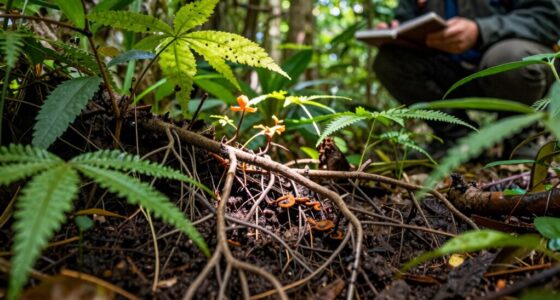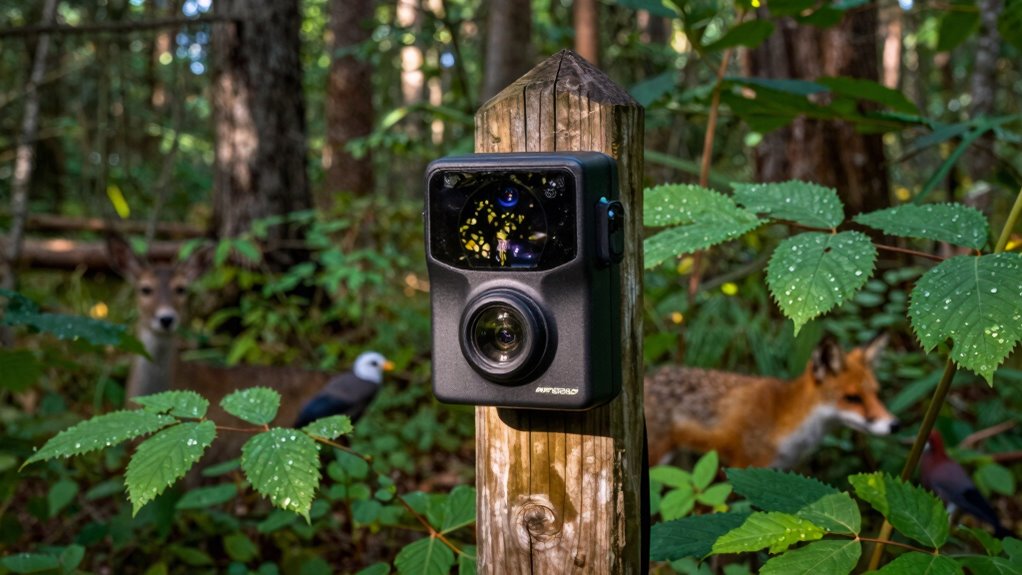

Trail cameras reveal wildlife behavior in ways short visits can’t match, showing patterns, routines, and peak activity times like dawn or dusk. By strategically placing them in natural cover, you prevent missing key moments and gather high-quality images of animal interactions and movements. These cameras give you continuous, silent observation, helping you spot trends, predict actions, and improve conservation efforts. Keep exploring how this tools can uncover even more secrets of wildlife behavior.

Get garden gear delivered free — and shop member deals
- Fast, free delivery on millions of items
- Access to Prime Big Deal Days deals on October 6–7
- Prime Video, Amazon Music and more included
Key Takeaways
- Trail cameras capture wildlife behavior patterns and routines that often go unnoticed during brief visits.
- Proper placement reveals key animal routes, activity peaks, and interactions with the environment.
- Continuous monitoring provides detailed data for understanding behavior trends and making informed decisions.
- Cameras record actions over time, offering insights beyond mere presence detection.
- Strategic use of trail cameras enhances observation, prediction, and management of wildlife activities.
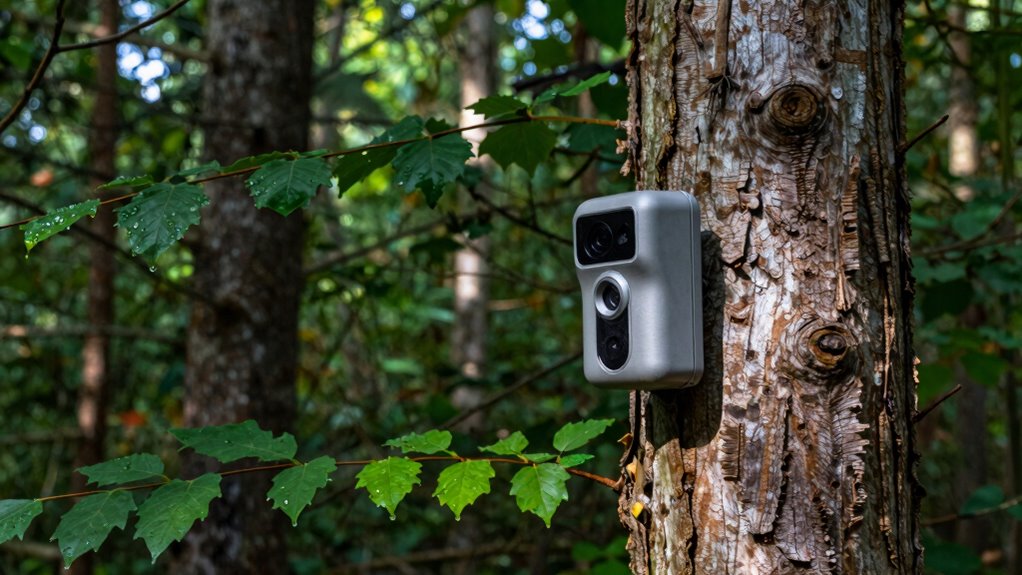
Trail cameras do more than just record wildlife activity; they provide valuable insights that go beyond constant visits to your hunting or wildlife study site. When you set up a camera, you’re not just capturing images—you’re observing wildlife behavior in its natural environment. These images reveal patterns, habits, and routines that are often missed during brief visits. You start to notice when animals are most active, how they interact with their surroundings, and even which routes they prefer. This kind of detailed information helps you understand animals better and plan your activities more effectively.
Trail cameras reveal wildlife behavior and routines often missed during brief visits.
A key factor in maximizing what trail cameras teach you is proper camera placement. If you place your camera haphazardly, you might miss the most important moments or fail to capture the animals you’re after. Strategic camera placement involves understanding animal paths, feeding areas, and travel corridors. Position your camera at a height and angle that captures the activity naturally, and guarantee it’s aimed at areas where wildlife frequently visits. Think about natural cover, such as trees or shrubs, to keep the camera hidden while providing clear views of the animals. Proper placement not only improves image quality but also increases the likelihood of capturing diverse wildlife behavior. Additionally, understanding animal movement patterns can help you refine your camera setup further.
By carefully choosing your camera’s location, you gain a more accurate picture of when and how animals move through the area. This insight allows you to adapt your approach, whether you’re hunting or studying wildlife. For example, if you notice that deer are most active at dawn and dusk, you can plan your field visits accordingly, saving time and effort. If you see certain species frequenting specific spots, you can focus your efforts on those areas, increasing your chances of success. Over time, the footage collected also helps you identify trends or changes in animal behavior, which could be vital for conservation or management strategies. Understanding animal patterns is crucial for making informed decisions and improving your overall effectiveness. Recognizing behavioral cues can further enhance your ability to interpret what the animals are indicating through their movements and actions. Learning about animal behavior from trail camera footage can lead to better predictions of their future activities.
Ultimately, trail cameras serve as silent observers that reveal the hidden nuances of wildlife behavior. They teach you about the animals’ routines without disturbing them. When you combine well-thought-out camera placement with consistent monitoring, you gain a wealth of knowledge that can’t be acquired through visits alone. These insights give you a strategic advantage, whether you’re pursuing game or studying local ecosystems, making trail cameras an invaluable tool that teaches more than just the presence of wildlife—they teach you how animals truly live. Recognizing the importance of proper camera placement can significantly enhance your understanding and success.
trail camera for wildlife monitoring
As an affiliate, we earn on qualifying purchases.
As an affiliate, we earn on qualifying purchases.
Frequently Asked Questions
How Long Do Trail Camera Batteries Typically Last?
Trail camera batteries typically last between a few weeks to several months, depending on usage and settings. To maximize battery life, you should focus on battery life optimization strategies like adjusting photo and video settings and enabling power-saving modes. Power source options, such as using lithium batteries or solar panels, can extend your camera’s operational time. Regularly checking and swapping batteries ensures your camera stays active without frequent visits.
What Is the Best Placement for Trail Cameras?
Think of your trail camera as a secret agent blending into the environment. For the best placement, use camouflage techniques and mount your camera at eye level, about 3-4 feet high, facing game trails, feeding areas, or water sources. Avoid shiny surfaces and direct sunlight. Proper camera mounting and strategic positioning help you capture clear images while remaining hidden, increasing your chances of success.
Can Trail Cameras Capture Nighttime Activity Effectively?
Trail cameras can effectively capture nighttime activity thanks to their night vision and motion detection features. When you set them up properly, they automatically activate when movement is detected, ensuring you don’t miss any nocturnal events. The infrared or low-glow night vision provides clear images in darkness without startling animals. With these technologies working together, your trail camera becomes a powerful tool for observing wildlife around the clock.
How Do You Prevent Animals From Tampering With the Camera?
Think of your trail camera as a fortress guarding treasure; you can’t let animals breach it. To prevent tampering, use camouflage techniques to blend it into the environment, making it less appealing or noticeable. Additionally, consider deterrent devices like motion-activated alarms or fencing around the camera. These measures create a barrier, discouraging animals from tampering and helping you capture authentic footage without interference.
What Features Should I Look for in a Trail Camera?
When choosing a trail camera, you should look for features that enhance your understanding of wildlife behavior and utilize advanced camera technology. Opt for models with high-resolution images, fast trigger speeds, and wide detection ranges. Infrared or night vision capabilities are essential for capturing nocturnal activity. Weather-resistant construction guarantees durability in outdoor conditions. These features help you observe animals accurately and learn their habits without disturbing their natural environment.
best wildlife trail camera with night vision
As an affiliate, we earn on qualifying purchases.
As an affiliate, we earn on qualifying purchases.
Conclusion
By relying on trail cameras, you open the door to a quiet, unspoken world that reveals its secrets without demanding your constant presence. These silent watchers offer a gentle glimpse into nature’s rhythms, guiding your understanding with subtlety and grace. Embrace their quiet lessons, and you’ll find that sometimes, the most profound truths are best uncovered when you step back and let the scene unfold naturally. It’s nature’s way of teaching, softly and surely.
hidden wildlife camera for nature observation
As an affiliate, we earn on qualifying purchases.
As an affiliate, we earn on qualifying purchases.
wildlife trail camera with motion detection
As an affiliate, we earn on qualifying purchases.
As an affiliate, we earn on qualifying purchases.
Fall yard work Picks
leaf blowers
As an affiliate, we earn on qualifying purchases.