TL;DR

Get garden gear delivered free with Prime
- Fast, free delivery on millions of items
- Prime Video, Amazon Music and more included
- Member-only deals all year
Gardening Know How has revisited advice from Amish farmer Joni Miller, whose 45-page handwritten essay on organic gardening was sent to Modern Farmer in 2013. The report highlights eight practical lessons, while noting that observations such as plant symptoms and weeds can suggest problems but do not replace testing or diagnosis.
Gardening Know How has revisited eight lessons from Amish farmer Joni Miller, whose 45-page handwritten essay on organic gardening and farming was sent to Modern Farmer in 2013. The report connects Miller’s observations about soil, weeds, pests and plant care with current gardening advice, while cautioning that some visible clues have several possible causes.
Miller’s essay covered subjects ranging from compost to organic certification paperwork. According to Gardening Know How, he asked Modern Farmer for a two-year subscription in return. The newer report selects eight practices it considers useful for home gardens; the provided material describes six of them in detail.
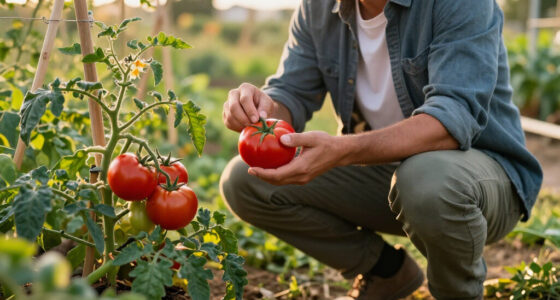
One lesson is to watch plant symptoms without treating them as a diagnosis. Miller associated yellowing lower leaves on fruiting tomatoes and eggplants with potassium moving to the fruit, and black, rotting spots at tomato bottoms with poor calcium uptake. The report says yellow leaves can also reflect nitrogen shortage, aging or early blight. Blossom-end rot involves calcium failing to reach fruit, but uneven watering can be the underlying issue even when soil contains calcium.
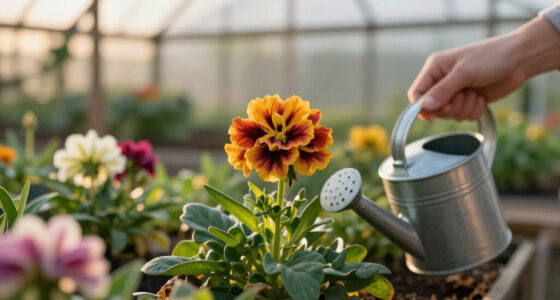
Miller also treated weeds as possible indicators of soil conditions, including grassy weeds in tight soils and lambsquarters after heavy turkey-manure applications. The report stresses that weeds tolerate different conditions and may arrive from nearby seed sources, so gardeners should treat them as clues, not proof, and confirm suspected soil problems with a soil test. Other recommendations include removing squash bug egg clusters and young nymphs, using alfalfa hay as mulch, preparing a stale seedbed to encourage weeds before planting, and watering greenhouse plants in the morning while ventilating on sunny days.
Practical Lessons for Home Gardens
The report matters to home gardeners because it links low-cost observation and timing with decisions that can prevent avoidable problems. Checking leaf undersides for squash bug eggs, for example, targets pests before their later stages become harder to control. Preparing a seedbed early and removing the first weed flush can also reduce competition without turning the soil deeply enough to bring more seeds to the surface.
But the advice is not a substitute for diagnosis. A yellow leaf or a particular weed does not establish a single cause, and treating symptoms with fertilizer or pesticides without checking conditions can miss the underlying issue. The report’s strongest practical message is to observe first, verify where possible, and choose methods suited to the crop and garden.
Popular right now

Roborock RockNeo Q110H Wire-Free Robot Lawn Mower

Ninja CREAMi XL Deluxe 11-in-1 Ice Cream and Frozen Treat Maker with Two 24 oz. Tubs

Apple AirPods Pro 3 Wireless Earbuds with Active Noise Cancellation
As an affiliate, we earn on qualifying purchases.
Miller’s 2013 Gardening Essay
The Gardening Know How article presents Miller’s essay as a historical source whose observations remain relevant to organic gardening. It says he sent the handwritten document, complete with diagrams, to Modern Farmer in 2013. The new report compares selected advice with more recent research and current recommendations, rather than presenting Miller’s essay as a newly released document.
For example, the report describes alfalfa as a legume mulch with more nitrogen than straw that breaks down relatively quickly and helps retain moisture. It recommends applying 2–3 inches (5–8 cm) after soil warms, while leaving space around plant stems. It also warns gardeners to ask whether hay fields were treated with herbicides that can persist and harm sensitive crops such as tomatoes.
“Reading soils by their weeds is an art!”
— Joni Miller, as quoted in the Gardening Know How report
Clues Do Not Confirm Causes
The supplied report excerpt does not identify all eight lessons in full: its text ends during the discussion of watering and disease prevention. It therefore does not support a complete account of the remaining two lessons. The source also provides no publication date for the Gardening Know How report, and no direct response from Miller or Modern Farmer is included.
Several gardening recommendations are conditional. Leaf symptoms can have multiple causes, weeds may reflect conditions only loosely, and herbicide residues in hay depend on how the crop was treated. The report does not specify the products or application histories involved, so gardeners should check with hay suppliers and confirm soil concerns through testing rather than assuming a cause from appearance alone.
How Gardeners Can Apply the Advice
The article’s guidance points gardeners toward small, testable steps: keep notes on plant symptoms, inspect the undersides of squash leaves, and remove early weeds shallowly after watering a prepared bed. Gardeners considering alfalfa hay should verify it is weed-free and ask whether the field was sprayed; avoid allowing mulch to touch stems.
For pest or disease products, follow the product label and use the protective equipment it specifies. The supplied source does not provide a full account of the report’s final two lessons or a follow-up from Miller, so those details remain unavailable here.
Key Questions
What is the news development?
Gardening Know How has revisited advice from Amish farmer Joni Miller, drawing on a handwritten essay he sent to Modern Farmer in 2013.
Can weeds reliably tell me what is wrong with my soil?
No. The report treats weeds as possible clues, not proof, because many weeds tolerate a range of conditions and can spread from nearby areas. A soil test is a better way to check suspected problems.
Does blossom-end rot mean my soil lacks calcium?
Not necessarily. The report says blossom-end rot occurs when calcium does not reach the fruit, but soil may already contain enough calcium. Uneven watering can contribute, so check watering conditions before adding fertilizer.
Is alfalfa hay safe to use as garden mulch?
It can be used as mulch, but the report advises choosing weed-free hay and asking whether the field was sprayed. Some herbicides can linger and damage sensitive crops, including tomatoes. Keep mulch away from plant stems.
Source: gardeningknowhow.com