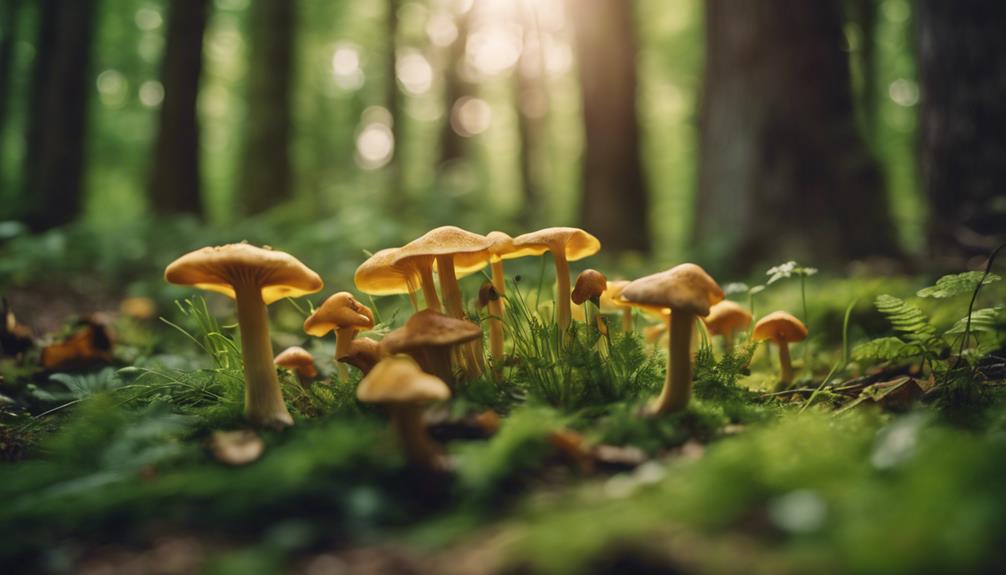
To dry mushrooms, start by cleaning and slicing them evenly. For air drying, place slices on a mesh screen in a well-ventilated area away from sunlight, turning them daily. Using an oven, set it to the lowest temperature, arrange slices on a parchment-lined tray, and keep the door slightly open, checking often. For a dehydrator, set it to about 135°F and dry until crisp, then store properly. Explore further tips to perfect each method.

Get garden gear delivered free — and shop member deals
- Fast, free delivery on millions of items
- Access to Prime Big Deal Days deals on October 6–7
- Prime Video, Amazon Music and more included
Key Takeaways
- Choose fresh, firm mushrooms, clean gently, and slice evenly to ensure effective drying with any method.
- For air drying, spread slices on a mesh screen in a well-ventilated, shaded area, turning daily.
- Oven drying involves setting the oven to 140-150°F, arranging slices on parchment, and keeping the door slightly open.
- Use a dehydrator at around 135°F, placing slices evenly on trays and drying for 4-8 hours until crisp.
- Store fully dried mushrooms in airtight containers in a cool, dark place to preserve flavor and prevent mold.

Ever wondered how to conserve mushrooms for longer use? Mushroom preservation is a smart way to enjoy their flavor and nutrition beyond the fresh shelf life. Natural drying techniques are among the simplest and most effective methods you can use. They require minimal equipment and help maintain the mushrooms’ natural taste. To start, choose fresh, firm mushrooms free from blemishes or spoilage. Clean them gently with a damp cloth or soft brush to remove dirt, but avoid washing them under running water, as excess moisture can hinder the drying process. Once cleaned, slice the mushrooms evenly, about a quarter-inch thick, to ensure consistent drying. Thinner slices dry faster and more uniformly, making your preservation process more efficient.
Using natural drying techniques, you can air dry your mushrooms by placing the slices on a clean mesh screen or a tray with good airflow. Find a warm, dry, and well-ventilated spot away from direct sunlight, which can degrade the mushrooms’ flavor and color. Spread the slices out in a single layer, ensuring they don’t touch, and let the air do the work. Depending on humidity and temperature, this process can take several days to a week. Turning the slices daily speeds up drying and prevents mold growth. Once the mushrooms are cracker-dry and brittle, store them in airtight containers in a cool, dark place to maximize shelf life. Properly dried mushrooms retain their flavor and can be rehydrated easily for cooking.
Air dry mushrooms on a mesh screen in a warm, ventilated spot away from sunlight for best preservation.
If you prefer a quicker method, oven drying offers a controlled environment. Preheat your oven to the lowest setting, usually between 140-150°F (60-65°C). Arrange the mushroom slices on a baking sheet lined with parchment paper, spacing them evenly. Keep the oven door slightly ajar to allow moisture to escape, and check frequently to prevent over-drying or burning. This process can take 1-4 hours depending on thickness and moisture content. Once crisp and brittle, let them cool before storing. This method is convenient and saves time, especially when you want to conserve a large batch quickly.
Dehydrators provide a dedicated solution for mushroom preservation, offering consistent heat and airflow. Set your dehydrator to about 135°F (57°C), arrange the slices on the trays, and let it run for 4-8 hours. Check periodically to ensure they dry evenly. When the mushrooms are completely dry and snap easily, transfer them to airtight containers. Dehydrators are ideal because they give you control over drying conditions, ensuring your mushrooms stay flavorful and well-preserved for months. Whichever method you choose, always guarantee the mushrooms are fully dried before storage to prevent mold and spoilage. Properly dried mushrooms are a versatile ingredient and a tasty way to extend your mushroom harvest.
Top picks for "mushroom oven dehydrator"
As an affiliate, we earn on qualifying purchases.
Frequently Asked Questions
How Long Do Dried Mushrooms Last Stored Properly?
Dried mushrooms can last up to a year or more if you store them properly. Your best shelf life depends on keeping them in an airtight container in a cool, dark, and dry place. Follow storage tips like avoiding humidity and sunlight to prevent mold and preserve flavor. Check them periodically for any signs of moisture or spoilage. When stored well, dried mushrooms stay flavorful and safe to use for a long time.
Can I Dry All Mushroom Varieties the Same Way?
You can’t dry all mushroom varieties the same way because different types have unique moisture content and textures. For example, delicate mushrooms like chanterelles require gentle drying techniques, while sturdier varieties like shiitake can handle higher heat. Investigating drying techniques reveals that tailoring your approach guarantees quality preservation. So, always consider each mushroom’s specific characteristics to choose the best method, ensuring your dried mushrooms stay flavorful and well-preserved.
Is It Safe to Dry Wild Mushrooms at Home?
Drying wild mushrooms at home can be safe if you prioritize wild mushroom safety and make certain of proper mushroom identification. You should only dry wild mushrooms if you’re absolutely confident in their identification, as some varieties are toxic. Always consult a knowledgeable expert or guide. Once identified, drying methods like air, oven, or dehydrator are effective, but safety comes first—never consume wild mushrooms unless you’re certain they’re safe.
How Do I Rehydrate Dried Mushrooms Effectively?
Think of rehydrating dried mushrooms as awakening a sleeping beauty. You should soak them in warm water or broth using gentle soaking techniques, allowing the mushrooms to slowly regain their tender texture. This method preserves their rich flavor and aroma, making them perfect for your dishes. Be patient, and once they’re plump and fragrant, drain and squeeze out excess liquid—your mushrooms are ready to elevate your culinary creations.
What Are Signs of Spoiled Dried Mushrooms?
You’ll spot spoiled dried mushrooms if you see mushroom mold or unusual discoloration indicators. Mold appears as fuzzy or slimy spots, often green, black, or white. Discoloration might include darkening, yellowing, or unusual spots that weren’t there before. If your dried mushrooms smell off or feel slimy, it’s best to discard them. Always inspect carefully before use to avoid consuming spoiled fungi and guarantee safety.
Conclusion
Drying mushrooms is a simple way to preserve their flavor and nutrients. Whether you choose air drying, using an oven, or a dehydrator, each method works well when done correctly. Curiously, some believe that air drying enhances the earthy aroma, while others think dehydration locks in more nutrients. Whichever method you pick, you can confidently enjoy dried mushrooms year-round, knowing you’ve preserved their goodness. Give it a try—your kitchen will thank you!
Fall yard work Picks
leaf blowers
As an affiliate, we earn on qualifying purchases.