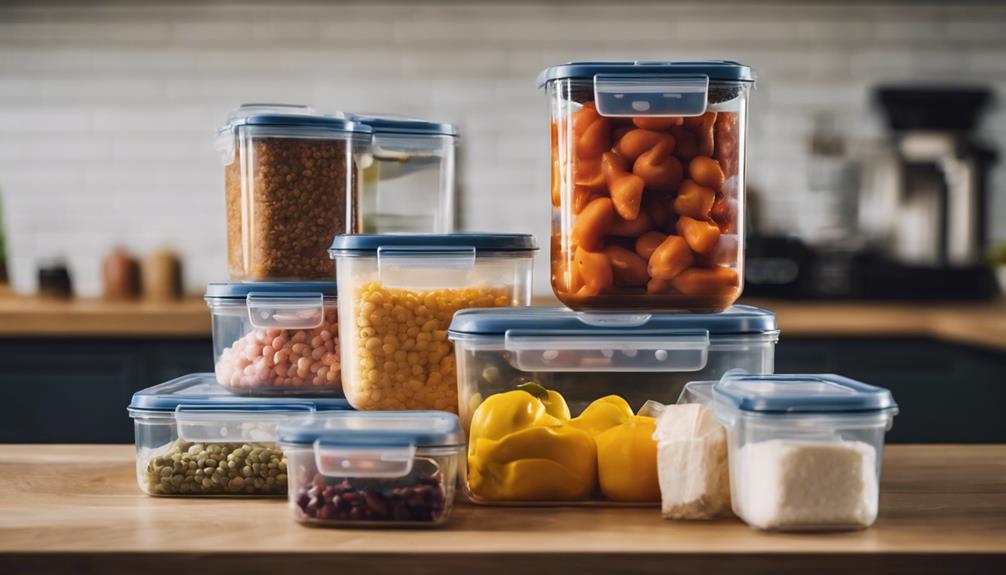
When it comes to wilderness survival foods, the key factors are shelf life, portability, nutritional density, and ease of preparation. The best overall choice, ReadyWise Emergency Food Supply, offers a versatile 72-hour kit with up to 25-year shelf life, ideal for most survival scenarios. For those prioritizing long-term storage, the Mountain House Emergency Meal Assortment provides a 30-year shelf life with a variety of meals. If budget is a concern, the 4Patriots Emergency Food Bars offer a compact, sugar-free option with a 20-year shelf life. The main tradeoffs often involve balancing cost, shelf life, meal variety, and ease of use. Keep reading for a detailed breakdown of these options to find the best fit for your needs.

Get garden gear delivered free with Prime
- Fast, free delivery on millions of items
- Prime Video, Amazon Music and more included
- Member-only deals all year
Complete the kit




| wilderness survival food | Shelf life |
|---|---|
| ReadyWise Emergency Food Suppl | Up to 25 years |
| Ready Hour Fruit & Veggie Mix | Up to 30 years |
| Emergency Food Supply | — |
| Survival Tabs 2-Day Food Suppl | 25 years |
| Grizzly Gear Emergency Food Ra | 5 years |
| Emergency Food Ration Bars Mea | 20 years |
| 4Patriots 72-Hour Survival Foo | 25 years |
| 4Patriots Emergency Food Bars: | 5 years |
| Mountain House Emergency Meal | 30 years |
| ReadyWise Emergency Food Suppl | Up to 25 years |
| Grizzly Gear Emergency Food Ra | 5 years |
| Ready Hour 120 Serving Entree | Up to 25 years |
| S.O.S. Rations Emergency 3600 | 5 years |
More Details on Our Top Picks
ReadyWise Emergency Food Supply – 72 Hour Survival Kit, 30 Servings
I rank ReadyWise 72-Hour Survival Kit as Best Overall because it balances meal-like food, packable storage, and a shelf-life ceiling of 25 years. Unlike Ready Hour Fruit & Veggie Mix, which works better as a dietary add-on, this kit supplies 30 servings aimed at a three-day emergency. Compared with Grizzly Gear’s 3,600-calorie bar, it offers more variety and familiar meal formats, but it creates water dependence because preparation is add-water. That matters in remote terrain, where every carried liter adds weight. Cheesy Macaroni and the whey milk alternative may be easier to rotate than a single-flavor ration, though serving counts do not reveal total calories. I see it as the most balanced starter kit, not the strongest choice for water-scarce travel.
Pros:- Thirty servings provide broader meal coverage than a single ration bar
- Add-water preparation requires little cooking skill
- Shelf-life ceiling of 25 years supports extended storage
- Compact format can fit a pantry, vehicle, or larger go bag
Cons:- Every serving depends on an adequate water supply
- The supplied data does not disclose total calories
- Some listed items, including a milk alternative, are less practical than solid meals in the field
Best for: I recommend it to campers and new preparedness buyers who want a compact three-day supply with meal variety and have dependable access to water.
Not ideal for: I would skip it for dry-country travel or evacuation kits where water must be reserved for drinking.
- Supply duration:72 hours
- Serving count:30 servings
- Food type:Freeze-dried meals and food
- Preparation:Add water
- Shelf life:Up to 25 years
- Listed foods:Cheesy Macaroni and whey milk alternative, among other selections
- Suggested storage:Pantry, vehicle, or go bag
Our verdict“I would choose this as a versatile three-day starter supply when water access matters less than variety and long storage.”
Ready Hour Fruit & Veggie Mix, 56 Servings
I assign Ready Hour Fruit & Veggie Mix a supplement role because its 56 servings add plant-food variety to supplies dominated by starches and ration bars. The seven resealable pouches are a meaningful advantage over one large opened package: I can see smaller groups using part of the supply while retaining the rest for later. Its 30-year shelf life also exceeds the ReadyWise 72-Hour Survival Kit’s 25-year ceiling. Still, this is not a standalone survival menu. ReadyWise supplies meal-style choices, while Grizzly Gear discloses a firm 3,600-calorie total; this mix provides no calorie figure in the supplied data. The handled, flood-safe container suits base camps and home storage better than lightweight travel. I rank it highly for food variety and divided packaging, but only after core calorie needs are covered.
Pros:- Fifty-six servings add fruit and vegetable variety to a stored menu
- Seven resealable pouches reduce the need to expose the full supply
- Unopened shelf life reaches 30 years
- Handled, flood-safe container supports protected storage and transport
Cons:- It cannot replace a calorie-dense entree supply
- No calorie or macronutrient totals are provided in the product data
- A rigid container is less packable than flat ration pouches
Best for: I recommend it to families and base-camp groups that already have calorie-dense entrees but want stored fruits and vegetables in divided pouches.
Not ideal for: I would skip it as the sole food source for solo evacuation or high-exertion wilderness travel because no total calorie figure is supplied.
- Serving count:56 servings
- Food type:Freeze-dried fruits and vegetables
- Shelf life:Up to 30 years
- Pouch count:7 resealable pouches
- Resealed pouch life:Up to 1 year
- Container:Handled, flood-safe container
- Refrigeration:Not required
- Packing location:Salt Lake City, Utah, USA
Our verdict“I would buy this to broaden an established survival pantry, not to serve as its calorie foundation.”
Emergency Food Supply – Chocolate Survival Ration – 1 Day
I rank the Chocolate Survival Ration as the best one-day pocket choice because it places at least 1,125 calories into four compressed biscuits with no meal preparation described. That makes it easier to eat while moving than the ReadyWise 72-Hour Survival Kit, which needs water and more time. Its 20-year unopened shelf life also greatly exceeds Grizzly Gear’s five-year rating. The compromise is limited energy: the maker explicitly describes it as an emergency ration rather than a complete adult daily diet, and Grizzly Gear supplies more than three times the calories. The four-biscuit format permits basic portioning, but once the packaging layers are opened, storage life drops to six months or two months depending on which film remains. I favor it for short, mobile emergencies, not sustained wilderness activity.
Pros:- At least 1,125 calories in a compact four-biscuit block
- No cooking setup is described or required for the compressed ration format
- Twenty-year unopened shelf life exceeds most conventional emergency bars
- Individual biscuits allow the ration to be divided across the day
Cons:- The total energy is low for a full day of strenuous wilderness activity
- It is explicitly not a complete adult daily diet
- Remaining storage life drops sharply after packaging is opened
Best for: I recommend it to climbers, hunters, and day hikers who need a compact no-cook ration for an unexpected overnight delay.
Not ideal for: I would skip it for multi-day travel or strenuous cold-weather use because 1,125 calories is not a complete daily diet for an adult.
- Rated duration:1 day
- Energy:At least 1,125 kcal (4,700 kJ)
- Quantity:4 biscuits
- Biscuit weight:62.5 grams each
- Total block weight:250 grams
- Unopened shelf life:20 years
- Life with transparent film intact:Up to 6 months after outer packaging is removed
- Life after transparent film removal:Up to 2 months in dry, dark storage
Our verdict“I would carry this for a one-day delay when space and immediate access matter more than meal variety or full daily calories.”
Survival Tabs 2-Day Food Supply, 24 Chocolate Tablets
I give Survival Tabs a narrowly defined role: Best Micronutrient Backup. Its 24 chocolate chewable tablets occupy far less space than ReadyWise’s 30-serving meal supply, and the gluten-free, non-GMO formulation suits buyers with those dietary constraints. Yet the math is decisive: at 20 calories per tablet, the pouch contains only 480 calories. That makes its two-day label a survival supplement, not a realistic standalone food plan. Compared with the 1,125-calorie Chocolate Survival Ration or Grizzly Gear’s 3,600-calorie bar, it sacrifices far too much energy for portability. The claimed coverage of 15 vitamins and minerals may help round out a kit built around calorie-dense food. I would pack it beside a real ration, never in place of one.
Pros:- Twenty-four tablets fit into compact personal emergency kits
- Claimed coverage includes 15 vitamins and minerals
- Gluten-free formulation suits buyers avoiding gluten
- Non-GMO formulation meets that purchasing preference
Cons:- Only 480 calories are supplied in the entire pouch
- The two-day claim can mislead buyers seeking a standalone food supply
- Chewable tablets provide little meal variety or eating satisfaction
Best for: I recommend it to space-limited drivers, racers, and hikers who already carry calorie-dense food but want a compact vitamin-and-mineral backup.
Not ideal for: I would skip it as a primary two-day ration because the full pouch supplies only 480 calories.
- Rated duration:2 days
- Quantity:24 chewable tablets
- Suggested daily quantity:12 tablets
- Calories per tablet:20 calories
- Calculated total energy:480 calories
- Shelf life:25 years
- Dietary claims:Gluten-free and non-GMO
- Approximate weight:10 ounces
- Package dimensions:5.5 x 8.5 x 2.75 inches
Our verdict“I would treat these tablets as a compact nutrient supplement for a larger ration kit, never as two days of primary food.”
Grizzly Gear Emergency Food Rations, 3600-Calorie Vanilla Poundcake Bar
I choose Grizzly Gear’s 3,600-calorie bar as the best no-prep 72-hour ration because it can be eaten immediately and does not depend on rehydration. That gives it a field advantage over the ReadyWise 72-Hour Survival Kit when fuel, cookware, or spare water is unavailable. It also provides more than three times the energy of the one-day Chocolate Survival Ration. The stated non-thirst-provoking formula is useful on paper for limited-water emergencies, although drinking water is still necessary. Its main weakness is storage longevity: the five-year shelf life trails the Chocolate Survival Ration’s 20 years and ReadyWise’s 25-year ceiling. Three days of one dense vanilla-poundcake bar also means flavor fatigue, while 3,600 calories averages only 1,200 per day. I favor it for evacuation and vehicle kits over hard wilderness trekking.
Pros:- Provides a disclosed 3,600-calorie total
- Ready-to-eat format avoids cooking and rehydration
- Compact three-day format fits vehicles, boats, and evacuation bags
- Formula is designed to avoid provoking extra thirst
Cons:- Five-year shelf life is much shorter than the freeze-dried kits in the lineup
- A single vanilla-poundcake format creates substantial flavor fatigue
- The 1,200-calorie daily average is limited for strenuous activity
Best for: I recommend it to drivers, boaters, and evacuation-focused buyers who need three days of compact food without cooking or rehydration.
Not ideal for: I would skip it for high-mileage backpacking or long storage cycles because daily calories are restrictive and the shelf life is only five years.
- Rated duration:3 days / 72 hours
- Total energy:3,600 calories
- Average daily energy:1,200 calories
- Food format:Emergency ration bar
- Flavor:Vanilla poundcake
- Preparation:Ready to eat
- Shelf life:5 years
- Formula:Designed to be non-thirst-provoking
Our verdict“I would choose this for a compact three-day evacuation kit where immediate, water-free preparation outweighs menu variety and maximum shelf life.”
Emergency Food Ration Bars Meals 2025 Ready To Eat 20 Pack, 8 Days Sugar Free Survival Food for Outdoor Camping,20 years Long Self Life (2 PACK, Count, 2)
This option stands out for its impressive 20-year shelf life and vacuum-sealed packaging, making it an excellent choice for those prioritizing long-term preparedness. Compared to 4Patriots Emergency Food Bars, which have a shorter 5-year shelf life, this product offers more peace of mind for multi-decade storage. The mocha flavor adds a delicious twist to emergency rations, allowing it to double as a snack or daily energy boost. However, the lack of detailed nutritional info makes it harder to gauge caloric content precisely, and the bars’ portability may be less convenient for small, lightweight packs. It’s well-suited for families or individuals focused on building a resilient, long-term emergency stash. For those needing quick, daily-use options, other products might be more convenient. The compact, vacuum-sealed bars deliver a stable, sugar-free energy source that can last decades, but they may lack the variety or ease of prep of some freeze-dried options.
Pros:- 20-year shelf life ensures decades of readiness
- Vacuum-sealed packaging prevents spoilage and maintains quality
- Sugar-free with glucose for stable energy and health benefits
- Versatile mocha flavor suitable for daily snacks or emergencies
Cons:- Limited nutritional details complicate calorie and nutrient assessment
- Bars are relatively bulky for small packs or lightweight hiking
Best for: Preppers and long-term storage planners prioritizing shelf stability and versatility in emergency foods.
Not ideal for: Casual outdoor enthusiasts or those seeking fresh-tasting, easy-to-prepare meals for frequent use.
- Shelf Life:20 years
- Weight per Bar:120g
- Calories per Box:10,178.2
- Flavor:Mocha
- Packaging:Vacuum-sealed
- Quantity:20 bars
Our verdict“This long-lasting, versatile ration is ideal for those building a durable, multi-decade emergency supply.”
4Patriots 72-Hour Survival Food Kit: Emergency Food Supply Designed to Last 25 Years, 20 Servings
This kit offers a solid 3-day supply of varied, tasty meals designed to last up to 25 years, making it perfect for short-term emergency preparedness. Unlike the ReadyWise 120 Servings Bucket, which emphasizes volume and long-term storage, this smaller kit is more manageable for quick deployment and easier to store in limited space. The included meals, such as Mac & Cheese and oatmeal, are more appealing than typical ration bars but require just minutes to prepare with hot water. The main tradeoff is that it provides fewer calories per day compared to larger long-term kits, which could be a concern for active or larger individuals. This package makes the most sense for individuals or small families needing a reliable, ready-to-eat 72-hour supply. For extended storage or higher caloric needs, larger kits or bulk options might be preferable. It balances taste, convenience, and shelf life effectively for short-term crises.
Pros:- Up to 25-year shelf life for long-term peace of mind
- Variety of meal options that are easy to prepare
- Lightweight and compact for quick storage and deployment
- Includes 20 servings, enough for 2-3 days per person
Cons:- Limited calorie count for active or larger individuals
- Designed primarily for short-term use, not extended emergencies
Best for: Individuals or small families seeking a compact, ready-to-eat emergency food supply for 3 days.
Not ideal for: Those looking for long-term, high-calorie storage solutions or bulk food for extended crises.
- Shelf Life:25 years
- Number of Servings:20
- Calories per Serving:Approx. 240
- Preparation:Add hot water, 10-15 minutes
- Weight:Varies (lightweight)
- Meal Types:Oatmeal, Mac & Cheese, Rice Dinners
Our verdict“This kit provides a practical, tasty, and reliable short-term emergency solution for individuals or small families.”
4Patriots Emergency Food Bars: Non-Perishable S.O.S Ration Designed to Last 5 Years, 9 Servings
This product excels as a compact, no-cook emergency snack with a short 5-year shelf life, making it ideal for quick deployment and portability. Compared with freeze-dried meals like the Mountain House Assortment, these bars are ready-to-eat and require no water or heat, which is a major advantage during immediate crises. The vanilla-lemon flavor adds a pleasant taste to emergency rations, encouraging consistent use. However, with only 400 calories per bar and a 3-day supply, it’s less suitable as a complete meal source for extended periods or active individuals. This makes it a good backup snack or quick energy boost in the first days of an emergency. It’s best suited for short-term survival kits or auto racing survival packs, where convenience and immediate readiness outweigh long-term storage needs.
Pros:- Ready-to-eat, no water or heat required
- Compact and lightweight for portability
- Pleasant flavor makes it easier to eat during stress
- Short 5-year shelf life is suitable for recent storage
Cons:- Limited calories per pack for sustained energy
- Shorter shelf life compared to long-term options
Best for: Drivers, auto racers, or outdoor adventurers needing a quick, shelf-stable snack for emergencies.
Not ideal for: Long-term preparedness or individuals needing sustained caloric intake over multiple days.
- Shelf Life:5 years
- Number of Bars:9
- Calories per Bar:400
- Flavor:Vanilla-Lemon
- No Cooking Needed:Yes
- Weight:Approx. 400g total
Our verdict“This bar set offers a convenient, tasty emergency snack ideal for short-term needs or quick-access situations.”
Mountain House Emergency Meal Assortment Kits, Freeze-Dried Survival Food Kit for Disaster Preparedness & Long-Term Storage, 30-Year Shelf Life
This kit makes the most sense for those prioritizing long-term storage, variety, and quality. With a 30-year shelf life and a diverse menu including biscuits, chicken fried rice, and beef stroganoff, it beats many competitors like ReadyWise in flavor variety and proven durability. The meals are straightforward to prepare—just add hot water—and can also be rehydrated with room temperature water if needed, adding flexibility during power outages. The main tradeoff is the weight (3.6 lbs) and size, which may be less ideal for lightweight backpacking but perfect for home storage. This is a prime choice for preppers and families looking for high-quality, long-term emergency options. It balances shelf stability with meal appeal better than many basic alternatives, but it’s not the most budget-friendly option.
Pros:- 30-year shelf life ensures decades of readiness
- Diverse menu with no artificial flavors or colors
- Easy to prepare with hot water, versatile for cold water too
- Proven durability and flavor quality
Cons:- Heavier and bulkier than some compact options
- Higher price point compared to basic ration packs
Best for: Preppers and families seeking high-quality, long-lasting, diverse emergency food options.
Not ideal for: Lightweight backpackers or those with limited storage space who prioritize minimal weight.
- Shelf Life:30 years
- Meals Included:Biscuits & Gravy, Chicken Fried Rice, Beef Stroganoff
- Preparation Time:Less than 10 minutes
- Water Needed:12 cups
- Weight:3.6 lbs
- Artificial Flavors:None
Our verdict“This variety-rich, long-term freeze-dried kit is ideal for those who want dependable, high-quality emergency meals for decades.”
ReadyWise Emergency Food Supply – 120 Servings Favorites Sample Bucket, Survival Food Kit, Freeze Dried Prepper Food & Dehydrated Meals for Camping Essentials & Backpacking, up to 25 Year Shelf Life
This bucket offers a comprehensive 120 servings of diverse, freeze-dried meals, making it a smart choice for long-term storage and family preparedness. Its up to 25-year shelf life and stackable design make it suitable for both home and outdoor use. The convenience of just adding water and the variety of meals, including lasagna and teriyaki rice, surpass basic ration bars in taste and meal satisfaction. Compared with the Mountain House Assortment, this option provides more servings and meal options for a similar shelf life, though it’s bulkier and heavier. The main tradeoff involves the initial cost and space needed for storage, but it offers unmatched flexibility for those wanting a full pantry of emergency meals. This product is perfect for families or preppers seeking large, varied, long-lasting supplies. For more portable, lightweight options, smaller kits might be better.
Pros:- Up to 25-year shelf life for decades of security
- Wide variety of meals and flavors
- Easy to prepare with hot water in minutes
- Stackable, convenient bucket design
Cons:- Bulkier and heavier than smaller kits
- Higher initial investment and space requirements
Best for: Families or preppers wanting extensive, diverse, long-term emergency food supplies with a large storage capacity.
Not ideal for: Individuals with limited storage space or those who need compact, lightweight options for outdoor use.
- Shelf Life:Up to 25 years
- Number of Servings:120
- Meal Types:Lasagna, Teriyaki Rice, Chicken Noodle Soup
- Preparation:Add hot water, 10-15 minutes
- Weight:Heavy (varies by package)
- Storage Space:Considerable
Our verdict“This extensive, diverse emergency food supply is best suited for families or preppers seeking long-term, high-volume storage with variety.”
Grizzly Gear Emergency Food Rations – 3600 Calorie Blueberry Bar – 3 Day, 72 Hour Supply For Disaster, Hurricane, Flood Preparedness – Less Sugar, More Nutrients Than Leading Brands – 5 Year Shelf Life
This pick stands out for its balanced blend of calories and nutrients, making it a top choice for those seeking a reliable long-term emergency food. Compared with the S.O.S. Rations Emergency 3600 Calorie Food Bar, it offers a similar calorie count but with a more pleasant blueberry flavor and less sugar, which can be easier on digestion during stressful times. Its 5-year shelf life and durable Mylar packaging ensure stability under harsh conditions, but the pre-measured 400-calorie portions mean less flexibility in portion control. This makes it ideal for users who prioritize straightforward, shelf-stable nutrition over variety or customization.
Pros:- High calorie content with balanced nutrients for sustained energy
- Less sugar than many alternatives, promoting better digestion
- USCG approved with a 5-year shelf life for reliable storage
- Non-thirst provoking, suitable for dehydration scenarios
Cons:- Limited flavor options, only blueberry available
- Pre-measured portions reduce flexibility in serving sizes
- Bulkier packaging compared to smaller snack bars
Best for: Preppers who want a ready-to-eat, nutrient-dense option with minimal prep and consistent shelf life.
Not ideal for: Casual campers or outdoor enthusiasts who prefer more variety or fresher-tasting snacks for short trips.
- Calories per serving:400
- Total calories:3600
- Shelf life:5 years
- Packaging:Mylar, air-sealed
- Meets:USCG, Kosher, Halal
Our verdict“This product fits best for long-term preparedness where nutritional density and shelf stability are top priorities.”
Ready Hour 120 Serving Entree Bucket-Freeze Dried Emergency Food Supply-Survival Meals with Long Shelf Life-Prepper Essentials for Disaster, Camping, Hiking, or Outdoor Use
This option makes the most sense for users seeking a combination of flavor, variety, and long shelf life. Unlike the S.O.S. Rations Bars, which focus primarily on high-calorie bars, this bucket offers a broad spectrum of meal options with up to 25 years of stored freshness, making it suitable for extended emergencies or everyday outdoor use. Its resealable pouches provide flexibility, but the bulkier container and the need for rehydration or cooking can be less convenient in a true survival scenario. This makes it ideal for those who want emergency foods that can double as camping or hiking meals, with the tradeoff of slightly more preparation effort.
Pros:- Great flavor profile, suitable for daily or emergency use
- Up to 25-year shelf life with no refrigeration required
- Includes 22 resealable pouches for portion control
- Made in the USA with domestic and imported ingredients
Cons:- Requires rehydration or cooking, unlike ready-to-eat bars
- Bulkier storage footprint compared to small snack packs
- Higher initial cost for large variety and quantity
Best for: Outdoor enthusiasts, campers, and preppers who want tasty, long-lasting meals without refrigeration needs.
Not ideal for: Individuals looking for quick, no-prep snacks or lightweight, compact supplies for minimal space.
- Servings:120
- Shelf life:Up to 25 years
- Packaging:Flood-safe container with resealable pouches
- Made in:USA
- Use case:Disaster, camping, hiking
Our verdict“Ideal for those who want flavorful, long-lasting meals that serve both emergency and outdoor needs, accepting some prep time.”
S.O.S. Rations Emergency 3600 Calorie Food Bar (Cinnamon + Coconut, 2 Pack)
This pick is designed for quick, high-energy survival, making it a strong contender in compact emergency kits. It compares with the Grizzly Gear Blueberry Bars by offering a similar calorie count, but its cinnamon and coconut flavors cater to those preferring spiced varieties. Its 5-year shelf life and US Coast Guard approval ensure reliable storage, but the bar format limits variety and can be less satisfying over multiple days. Its non-thirst provoking design is perfect for water-scarce situations, yet the small size might necessitate multiple packs for longer emergencies. This product is best suited for individuals needing a lightweight, high-calorie supplement for rescue scenarios.
Pros:- High calorie content in a compact form
- USCG approved with a 5-year shelf life
- Non-thirst provoking, suitable for water restriction situations
- Two-pack for extended use or backup
Cons:- Limited flavor options, only cinnamon and coconut
- Not ideal for long-term or varied diet needs
- Bars can become monotonous over several days
Best for: Preppers and outdoor adventurers requiring a compact, calorie-dense food that can be eaten without water in rescue situations.
Not ideal for: People seeking meal variety or more palatable, longer-lasting food options for extended survival scenarios.
- Calories per pack:approx. 3682
- Number of bars:9
- Shelf life:5 years
- Weight:approx. 9 ounces
- Made in:United States
Our verdict“This product is best for emergency kits where space is limited but high energy is essential, with less focus on flavor variety.”

How We Picked
To select the best wilderness survival foods, I evaluated each product based on shelf life, nutritional content, portability, ease of storage, and user convenience. Durability and packaging protection against environmental factors also played a role, as these foods need to withstand long-term storage in varying conditions. Price-to-value ratio was considered, especially for bulk options versus smaller packs. I prioritized products with proven longevity and realistic serving sizes, ensuring they meet the needs of different survival scenarios. This ranking reflects a balance between affordability, durability, and nutritional adequacy for diverse user situations.Factors to Consider When Choosing Wilderness Survival Foods
Choosing the right wilderness survival food involves considering several critical factors beyond just shelf life. The first is caloric density; you want foods that provide enough energy without excessive bulk. Packaging durability matters—look for sealed, moisture-proof containers that protect against spoilage. Ease of preparation is another key point; Ready-to-eat options save time and reduce complexity in stressful situations. Cost per serving and long-term storage stability are tradeoffs that can influence your decision. Finally, consider dietary restrictions and variety to ensure balanced nutrition during extended emergencies.Shelf Life and Packaging Durability
Long shelf life is essential for emergency foods, with many products offering up to 25 or 30 years of storage. However, packaging must also be robust enough to prevent moisture, pests, or environmental damage. Vacuum-sealed pouches, sealed cans, and durable containers like flood-safe bins help maintain food quality over time. Skipping on proper packaging can lead to spoilage and waste, especially in extreme conditions. When selecting, balance shelf life with packaging reliability to ensure your food stays edible when needed most.
Caloric Content and Nutritional Value
In survival situations, energy becomes paramount. Foods with higher calorie counts per serving, like bars or calorie-dense freeze-dried meals, help sustain you through physically demanding conditions. Look for options that include a balance of macronutrients—protein, carbs, and fats—to support overall health during extended use. Avoid overly processed or sugar-heavy foods that can cause energy crashes. Choosing nutrient-rich options ensures you’re maintaining strength over longer periods without relying on frequent resupply.
Ease of Preparation and Consumption
In emergencies, simplicity is key. Ready-to-eat options like meal bars or freeze-dried meals that require minimal preparation are often preferred. Some foods need water or boiling, which could be challenging in certain scenarios, so consider your access to clean water and cooking gear. Pre-packaged, lightweight, and individually sealed portions reduce the hassle and help with rationing. Remember, in high-stress situations, the ability to consume food quickly and easily can make a significant difference.
Cost Effectiveness and Storage Needs
Bulk purchasing can lower the cost per serving, but it requires ample storage space and organization. Cheaper options might save money upfront but often have shorter shelf lives or less nutritional variety. Conversely, premium products tend to offer longer shelf lives and higher quality ingredients but at a higher price. Consider your available storage space and budget to find a balance that ensures you won’t need to replace supplies prematurely or overspend on unnecessary extras.
Dietary Restrictions and Meal Variety
Extended survival situations demand balanced nutrition; however, dietary restrictions or preferences can limit options. Gluten-free, vegetarian, or sugar-free choices may be necessary for some individuals. Variety also prevents menu fatigue, which can diminish appetite and reduce intake. Selecting a mix of different foods—meals, bars, and snacks—helps maintain morale and nutritional adequacy over time. Always check ingredient lists to avoid allergens or incompatible ingredients in your emergency supplies.
Frequently Asked Questions
How long can I store wilderness survival foods before they expire?
Most high-quality survival foods are designed to last between 5 and 30 years, depending on storage conditions and packaging. Freeze-dried and dehydrated options often have the longest shelf lives, up to 25 or 30 years, if kept in a cool, dry, and dark environment. Proper storage—airtight containers, vacuum packing, and moisture control—extends their usability and prevents spoilage. Regularly checking expiration dates and rotating supplies can help maintain readiness without waste.
Should I choose meal kits or individual bars for survival situations?
Meal kits offer more variety and balanced nutrition, making them better suited for longer-term emergencies where sustained energy and nutrient intake matter. Bars or compact snacks are convenient, lightweight, and easy to carry, ideal for quick energy boosts or when space is limited. Combining both can provide flexibility—using meal kits for main sustenance and bars for quick snacks during active moments. Your choice depends on your storage space, dietary needs, and how long you expect to rely on your supplies.
Are there vegetarian or gluten-free options available in survival foods?
Yes, many brands now offer vegetarian, gluten-free, and allergen-free survival foods to accommodate dietary restrictions. These options often feature specially formulated ingredients that maintain shelf stability while meeting specific nutritional needs. While they might sometimes come at a higher cost or have slightly lower calorie density, they significantly improve accessibility for those with dietary restrictions. Always verify ingredient lists and certifications to ensure they meet your requirements.
Can I rely solely on survival bars for long-term storage?
Survival bars are excellent for quick energy and portability but are not sufficient as the sole source of nutrition over extended periods. They tend to be calorie-dense but lack the variety needed for balanced nutrition. For long-term preparedness, pairing bars with freeze-dried or dehydrated meals provides a more complete diet. Relying only on bars can lead to nutritional deficiencies and menu fatigue, so use them as part of a broader emergency food strategy.
What is the best way to store wilderness survival foods at home?
The ideal storage method involves keeping foods in a cool, dark, dry place to maximize shelf life. Use airtight containers or vacuum-sealed packaging to prevent moisture and pest infiltration. Avoid areas prone to temperature fluctuations or humidity, like garages or basements near heat sources. Labeling each package with purchase and expiration dates helps manage inventory effectively. Proper storage not only prolongs shelf life but also ensures the food remains safe and ready when needed.
Conclusion
For most users, the ReadyWise Emergency Food Supply stands out as the best overall due to its balance of variety, ease of use, and long shelf life. Budget-conscious survivalists will appreciate the 4Patriots Emergency Food Bars for their affordability and compactness. Those prioritizing long-term storage and variety should consider the Mountain House Emergency Meal Assortment. Beginners or those with limited space might find pre-packaged kits more manageable, while experienced preppers should look for options offering maximum shelf life and nutritional density. Tailor your choice based on your specific needs, storage conditions, and preparedness goals.Fall yard work Picks
leaf blowers
As an affiliate, we earn on qualifying purchases.