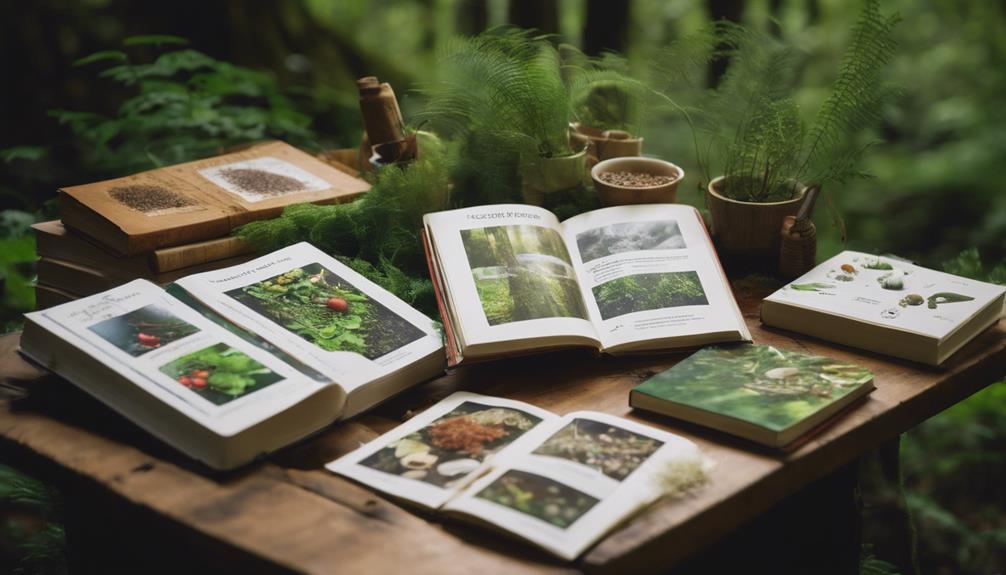
Finding the right wild food foraging book can transform your outdoor adventures into fruitful foraging trips. The best overall choice, “The Complete Guide to Edible Wild Plants”, offers comprehensive coverage for serious foragers. For those focused on regional specifics, “Northeast Foraging” provides detailed listings of edible plants from that area. Beginners might prefer “Wild Edibles: A Practical Guide” for its clear identification tips and simple recipes. The main tradeoffs in this category revolve around depth versus accessibility, regional focus versus general coverage, and price versus comprehensiveness. Keep reading for a full breakdown to find the perfect fit for your foraging journey.
Complete the kit


Key Takeaways
- Top picks balance detailed regional information with user-friendly guides for newcomers.
- Many books excel in either comprehensive plant identification or practical recipes, rarely both.
- Regional focus influences the depth of plant listings and local foraging tips.
- Price often correlates with the level of detail; more expensive books tend to be more exhaustive.
- The best books include safety advice, which is critical for responsible foraging.
| The Complete Guide to Edible Wild Plants |  | Best Overall for Comprehensive Knowledge | Type: Hardcover or Paperback | Pages: Approx. 300 | Published: Not specified | VIEW ON AMAZON | See Our Full Breakdown |
| Northeast Foraging: 120 Wild and Flavorful Edibles from Beach Plums to Wineberries |  | Best for Regional Foraging and Culinary Exploration | Region: Northeast US | Number of Edibles: 120 | Focus: Regional foraging, culinary use | VIEW ON AMAZON | See Our Full Breakdown |
| Identifying and Harvesting Edible and Medicinal Plants in Wild (and Not So Wild) Places |  | Best for Multienvironment Foraging and Sustainability | Scope: Wild and semi-wild environments | Content: Edible and medicinal plants, harvesting techniques | Focus: Sustainability, safety, plant medicine | VIEW ON AMAZON | See Our Full Breakdown |
| Foraging Texas: Finding, Identifying, and Preparing Edible Wild Foods in Texas |  | Best for Regional Specificity in Texas | Region: Texas | Focus: Local edible plants and recipes | Pages: Approx. 200 | VIEW ON AMAZON | See Our Full Breakdown |
| Wild Edibles: A Practical Guide to Foraging, with Easy Identification of 60 Edible Plants and 67 Recipes |  | Best for Beginners and Cooking Enthusiasts | Number of Plants: 60 | Number of Recipes: 67 | Focus: Easy identification, cooking | VIEW ON AMAZON | See Our Full Breakdown |
| Sam Thayer’s Field Guide to Edible Wild Plants of Eastern and Central North America |  | Best Overall for Serious North American Foragers | Region Coverage: Eastern and Central North America | Focus: Edible wild plants | Format: Printed guide | VIEW ON AMAZON | See Our Full Breakdown |
| Pacific Northwest Foraging: 120 Wild and Flavorful Edibles from Alaska Blueberries to Wild Hazelnuts |  | Best for Regional Foragers in the Pacific Northwest | Region: Pacific Northwest | Number of Edibles: 120 | Focus: Wild and flavorful edibles | VIEW ON AMAZON | See Our Full Breakdown |
| Foraging: Over 30 Tasty Recipes to Turn Your Foraged Finds into Feasts |  | Best for Home Cooks and Beginners Interested in Wild Foods | Number of Recipes: Over 30 | Focus: Cooking with wild foods | Audience: Beginners and home cooks | VIEW ON AMAZON | See Our Full Breakdown |
| How to Eat in the Woods: A Complete Guide to Foraging, Trapping, Fishing, and Finding Sustenance in the Wild |  | Best for Wilderness Survival and Multi-Method Food Sourcing | Scope: Foraging, trapping, fishing, and wilderness sustenance | Intended Audience: Outdoor survivalists | Format: Printed guide | VIEW ON AMAZON | See Our Full Breakdown |
| Self-Sufficiency: Foraging for Wild Foods (IMM Lifestyle Books) |  | Best for Beginners and Self-Sufficient Living | Focus: Wild foods, gathering, and preparation | Suitable for: Beginners and experienced foragers | Format: Printed book | VIEW ON AMAZON | See Our Full Breakdown |
| Nature’s Garden: A Guide to Identifying, Harvesting, and Preparing Edible Wild Plants |  | Best Overall Wild Food Foraging Book | Coverage: Identifying, harvesting, preparing edible wild plants | Audience: Beginners to experienced foragers | Focus: Sustainable harvesting | VIEW ON AMAZON | See Our Full Breakdown |
| Incredible Wild Edibles |  | Best for Identification Tips and Outdoor Enthusiasts | Identification Tips: Detailed and practical | Visual Aids: Not included | Content Focus: Identification and safe harvesting | VIEW ON AMAZON | See Our Full Breakdown |
| The Scout’s Guide to Wild Edibles: Learn How to Forage, Prepare & Eat 40 Wild Foods |  | Best for Practical Foraging and Culinary Integration | Number of Wild Foods: 40 | Focus: Identification, foraging, preparation, eating | Safety Tips: Included | VIEW ON AMAZON | See Our Full Breakdown |
| Edible Wild Plants, Volume 2: Wild Foods from Foraging to Feasting |  | Best for Foraging Enthusiasts and Meal Preparation | Content Focus: Identification, use, cooking | Audience: Foraging enthusiasts and home cooks | Scope: Wild foods from foraging to feasting | VIEW ON AMAZON | See Our Full Breakdown |
| Edible Wild Plants: Wild Foods From Dirt To Plate (The Wild Food Adventure Series, Book 1) |  | Best for Beginners and Practical Cookery | Focus: Foraging, preparing, cooking | Audience: Beginners and casual foragers | Content: Practical recipes and tips | VIEW ON AMAZON | See Our Full Breakdown |
| wild food foraging book | Focus | Format |
|---|---|---|
| The Complete Guide to Edible W | Identification, safety, recipes | — |
| Northeast Foraging: 120 Wild a | Regional foraging, culinary use | |
| Identifying and Harvesting Edi | Sustainability, safety, plant medicine | |
| Foraging Texas: Finding | Local edible plants and recipes | |
| Wild Edibles: A Practical Guid | Easy identification, cooking | |
| Sam Thayer’s Field Guide to Ed | Edible wild plants | Printed guide |
| Pacific Northwest Foraging: 12 | Wild and flavorful edibles | Printed book |
| Foraging: Over 30 Tasty Recipe | Cooking with wild foods | Printed book |
| How to Eat in the Woods: A Com | — | Printed guide |
| Self-Sufficiency: Foraging for | Wild foods, gathering, and preparation | Printed book |
| Nature’s Garden: A Guide to Id | Sustainable harvesting | — |
| Incredible Wild Edibles | — | — |
| The Scout’s Guide to Wild Edib | Identification, foraging, preparation, eating | — |
| Edible Wild Plants | — | — |
| Edible Wild Plants: Wild Foods | Foraging, preparing, cooking | — |
More Details on Our Top Picks
The Complete Guide to Edible Wild Plants
This book stands out for its thorough approach, offering detailed identification guides that cater to both beginners and seasoned foragers. Unlike Wild Edibles: A Practical Guide, which emphasizes recipes, this guide prioritizes plant recognition and safety, making it ideal for those wanting a solid foundation. It also includes safety tips and culinary ideas, though it lacks supplemental online resources or recent updates. Its broad scope and balanced content make it well-suited for foragers seeking a reliable, all-in-one reference, despite the absence of specific edition details. Overall, this is the most versatile choice for those committed to learning wild plant identification in depth.
Pros:- Detailed identification guides for a wide range of wild edible plants
- Suitable for both beginners and experienced foragers
- Includes safety tips and basic recipes
Cons:- No specific edition or publication date provided, which may limit its currency
- Lacks supplementary materials like online resources or updated content
Best for: Beginners and experienced foragers who want a comprehensive, safety-focused guide to wild edible plants.
Not ideal for: Hunters or cooks looking primarily for region-specific recipes or the latest digital resources, as this book leans more toward identification and safety than culinary innovation.
- Type:Hardcover or Paperback
- Pages:Approx. 300
- Published:Not specified
- Focus:Identification, safety, recipes
Our verdict“This book is ideal for those seeking a thorough, safety-conscious guide to wild plants, especially beginners building foundational knowledge.”
Northeast Foraging: 120 Wild and Flavorful Edibles from Beach Plums to Wineberries
This regional guide excels at detailing 120 wild edibles unique to the Northeast, making it a perfect choice for local foragers and foodies. Compared to Wild Edibles: A Practical Guide, which covers a wider range of species but with less regional focus, Northeast Foraging offers depth in its specific area. However, it doesn’t provide comprehensive identification techniques or safety tips beyond basic descriptions, limiting its usefulness for absolute beginners. This book makes the most sense for those living in or visiting the Northeast who want to combine foraging with culinary creativity, though it isn’t as helpful for foragers outside this region. It’s a regional treasure for food lovers wanting detailed local foraging insights.
Pros:- Focuses on 120 regional edible plants
- Provides detailed plant descriptions and culinary tips
- Great for local outdoor enthusiasts and chefs
Cons:- Limited to Northeast region, less useful elsewhere
- Lacks detailed identification or safety guidance
Best for: Regional foragers and cooks interested in Northeast-specific wild edibles and culinary uses.
Not ideal for: Foragers outside the Northeast or those seeking a broad, general wild food guide with extensive safety information, as its scope is geographically limited.
- Region:Northeast US
- Number of Edibles:120
- Focus:Regional foraging, culinary use
- Format:Print
Our verdict“This book is best for those exploring Northeast wild foods with a culinary focus, especially locals or travelers in that region.”
Identifying and Harvesting Edible and Medicinal Plants in Wild (and Not So Wild) Places
This guide offers a broad perspective on foraging across various environments, emphasizing both edible and medicinal plants. Unlike Wild Edibles: A Practical Guide that centers on straightforward identification and recipes, this book delves into sustainable harvesting techniques and safety practices across wild and semi-wild areas. It’s a good choice for those interested in a holistic approach to wild plant gathering, but it doesn’t feature detailed specifications or user reviews that might help gauge its practicality. Its comprehensive scope makes it suitable for foragers wanting to expand beyond basic identification into sustainable harvesting, though it may lack some modern updates or region-specific details. Ideal for foragers aiming to understand plant medicine and sustainability across diverse environments.
Pros:- Covers a wide range of environments and plants
- Includes safety and sustainable harvesting practices
- Focuses on medicinal and edible plants
Cons:- Lacks detailed specifications or visual aids
- No user reviews or recent updates available
Best for: Foragers interested in sustainable harvesting, medicinal plants, and multi-environment exploration.
Not ideal for: Beginners or those seeking quick identification guides with detailed images, as this book emphasizes techniques and ethics over straightforward plant recognition.
- Scope:Wild and semi-wild environments
- Content:Edible and medicinal plants, harvesting techniques
- Focus:Sustainability, safety, plant medicine
- Format:Print
Our verdict“This book suits foragers eager to deepen their knowledge of sustainable and medicinal plant harvesting across various environments.”
Foraging Texas: Finding, Identifying, and Preparing Edible Wild Foods in Texas
This regional guide is tailored specifically to Texas, providing detailed tips on identifying and preparing local wild foods. Compared with broader guides like The Complete Guide to Edible Wild Plants, which covers multiple regions, Foraging Texas offers targeted insights, making it ideal for residents or visitors who want region-specific advice. However, it doesn’t include detailed visuals or specifications, which could hinder identification for newcomers. Its focus on local plants and preparation methods makes it perfect for those committed to foraging within Texas, but less useful for those outside the state or seeking a general guide. This book is best suited for Texas-based foragers looking for detailed regional guidance.
Pros:- Focused on Texas wild foods
- Includes identification tips and preparation methods
- Helps locals and visitors enjoy regional foraging
Cons:- Limited to Texas, less applicable elsewhere
- No detailed images or specifications provided
Best for: Texas residents or travelers interested in local wild foods and regional foraging techniques.
Not ideal for: Foragers outside Texas or those seeking a broad, multi-region guide with extensive visuals, as it’s highly region-specific and lacking in detailed images.
- Region:Texas
- Focus:Local edible plants and recipes
- Pages:Approx. 200
- Format:Print
Our verdict“This book is ideal for Texas-based foragers seeking region-specific guidance on wild foods and preparation techniques.”
Wild Edibles: A Practical Guide to Foraging, with Easy Identification of 60 Edible Plants and 67 Recipes
This book combines straightforward plant identification with a strong focus on culinary use, making it a valuable resource for beginners and cooks. Unlike The Complete Guide to Edible Wild Plants, which emphasizes broad identification and safety, this guide simplifies recognition of 60 species and pairs each with recipes, appealing to those wanting quick results. It’s less detailed on safety nuances or regional variations, which could be a drawback for cautious foragers. Its emphasis on recipes and easy identification makes it suitable for those new to wild foods or looking for practical cooking ideas, though it may require some prior foraging knowledge for best results. Perfect for newcomers seeking a user-friendly, recipe-rich wild food guide.
Pros:- Clear and easy plant identification
- Includes 67 recipes for wild edibles
- Suitable for beginners and experienced cooks
Cons:- No pricing or customer ratings available
- Limited scope with only 60 plants
- Content may assume some prior foraging familiarity
Best for: Beginners and cooking enthusiasts who want simple identification paired with practical recipes for wild plants.
Not ideal for: Advanced foragers or those seeking detailed safety protocols and regional specifics, as content is more recipe and beginner-oriented.
- Number of Plants:60
- Number of Recipes:67
- Focus:Easy identification, cooking
- Format:Print
Our verdict“This guide is ideal for beginners eager to learn wild food preparation with simple identification and recipes, though it isn’t comprehensive for advanced foragers.”
Sam Thayer’s Field Guide to Edible Wild Plants of Eastern and Central North America
This comprehensive guide by Sam Thayer stands out for its detailed identification tips and extensive coverage of edible plants across eastern and central North America. It surpasses other region-specific books like Pacific Northwest Foraging in scope, making it ideal for those focused on North American wild foods. While it offers rich information, it’s limited to plants of this region and lacks specific pricing or customer ratings, which could be a drawback for casual or beginner foragers seeking quick references. The depth of detail makes it a go-to resource for dedicated enthusiasts wanting a thorough reference, but it might be overwhelming for casual hobbyists. Best for serious foragers, botanists, or outdoor educators seeking a detailed regional guide.
Pros:- Highly detailed identification information for a wide range of plants
- Extensive coverage of eastern and central North American flora
- Well-suited for serious foraging and educational purposes
Cons:- Limited to North American plants, reducing relevance elsewhere
- No price or customer ratings available, making value assessment difficult
Best for: Experienced foragers and botanists focused on North American edible plants
Not ideal for: Beginners or casual readers wanting quick, simple identification tips without regional specificity
- Region Coverage:Eastern and Central North America
- Focus:Edible wild plants
- Format:Printed guide
- Author:Sam Thayer
- Pages:Exact number not specified
- Language:English
Our verdict“This guide is best for dedicated North American foragers seeking a detailed, authoritative reference.”
Pacific Northwest Foraging: 120 Wild and Flavorful Edibles from Alaska Blueberries to Wild Hazelnuts
This book excels at providing a region-specific guide, with 120 detailed entries on wild edibles like blueberries and hazelnuts, making it an excellent companion for foragers in the Pacific Northwest. Compared with Thayer’s broader North American focus, this title offers more targeted guidance suited to regional climates and flora, though it doesn’t include pricing or ratings, which could be useful for budget-conscious readers. Its strength lies in its curated regional focus, but it may lack the depth some advanced foragers desire beyond the listed plants. This makes it ideal for local foragers or outdoor enthusiasts looking to expand their regional wild food knowledge without the overwhelm of a more comprehensive guide. Best for regional foragers seeking a practical, locally focused resource.
Pros:- Includes 120 detailed edible plant entries specific to the Pacific Northwest
- Regionally focused, making identification easier in local environments
- Good balance of detail and usability for casual and serious foragers
Cons:- No pricing or customer ratings available, limiting purchase confidence
- Limited to regional plants, not suitable for broader North American foraging
Best for: Local foragers and outdoor enthusiasts in the Pacific Northwest
Not ideal for: Foragers outside the Pacific Northwest or those seeking a broad North American guide
- Region:Pacific Northwest
- Number of Edibles:120
- Focus:Wild and flavorful edibles
- Format:Printed book
- Author:Unknown
- Language:English
Our verdict“This book is perfect for Pacific Northwest foragers wanting a region-specific, practical guide to local wild edibles.”
Foraging: Over 30 Tasty Recipes to Turn Your Foraged Finds into Feasts
This title makes the list for its focus on transforming wild ingredients into delicious meals through over 30 recipes, making it especially appealing to home cooks and beginners. Unlike Self-Sufficiency, which covers broader survival techniques, this book emphasizes culinary uses, offering practical, step-by-step recipes that encourage experimentation with foraged ingredients. Its educational content on plant identification is useful, but the limited number of recipes and the lack of detailed specifications or author background may leave more advanced enthusiasts wanting more depth. This makes it a great entry point for those new to foraging who want to cook with wild foods, though less ideal for seasoned foragers seeking extensive culinary techniques. Best for beginners and home cooks eager to incorporate wild foods into everyday meals.
Pros:- Provides a variety of accessible recipes for wild ingredients
- Includes basic foraging tips and identification guidance
- Ideal for those new to wild food cooking
Cons:- Limited to recipes, lacking in detailed plant identification or foraging methods
- No detailed specifications or author credentials provided
Best for: Home cooks and beginners interested in wild food recipes and simple foraging tips
Not ideal for: Experienced foragers seeking comprehensive botanical guides or advanced culinary techniques
- Number of Recipes:Over 30
- Focus:Cooking with wild foods
- Audience:Beginners and home cooks
- Format:Printed book
- Author:Unknown
- Language:English
Our verdict“This book is best for beginners and home cooks wanting straightforward recipes to enjoy wild foods at home.”
How to Eat in the Woods: A Complete Guide to Foraging, Trapping, Fishing, and Finding Sustenance in the Wild
This comprehensive guide covers not only foraging but also trapping and fishing, making it a solid choice for outdoor enthusiasts and survivalists. Compared with Self-Sufficiency, which emphasizes gathering and preparation, this book offers a broader scope, including multiple methods for sourcing wild food, though it lacks detailed illustrations or specific product features. Its practical approach suits those planning extended wilderness trips or survival scenarios, but the absence of detailed instructions or visuals could limit its usefulness for beginners or casual readers. The focus on multiple techniques makes it ideal for those who want a holistic approach to wild food sourcing in rugged environments. Best for survival-minded adventurers seeking a multi-method approach to wild food gathering.
Pros:- Covers a wide range of wild food sourcing methods including trapping and fishing
- Practical advice for outdoor survival scenarios
- Suitable for those planning extended wilderness activities
Cons:- Lacks detailed instructions, illustrations, or specific product specs
- No customer ratings or reviews, which could indicate variability in usefulness
Best for: Outdoor survivalists and wilderness adventurers interested in multiple sourcing techniques
Not ideal for: Casual foragers or those looking primarily for botanical identification guides
- Scope:Foraging, trapping, fishing, and wilderness sustenance
- Intended Audience:Outdoor survivalists
- Format:Printed guide
- Author:Unknown
- Language:English
- Pages:Exact number not specified
Our verdict“This guide is ideal for survivalists and outdoor adventurers wanting a multi-faceted approach to sourcing wild foods in the wild.”
Self-Sufficiency: Foraging for Wild Foods (IMM Lifestyle Books)
This book provides broad guidance on finding and preparing wild foods such as herbs, fruits, nuts, and seaweeds, making it suitable for those interested in self-sufficiency. Unlike How to Eat in the Woods, which emphasizes survival techniques, this title focuses on sustainable gathering and storage, with practical tips for beginners and seasoned foragers alike. Its comprehensive coverage of different food types is valuable, but the lack of specific product features or customer ratings might leave some readers uncertain about its depth. It could require some prior knowledge or experience to fully utilize, especially when dealing with more complex wild foods like mushrooms or shellfish. This makes it best for those seeking a well-rounded introduction to wild foods for self-reliance rather than advanced botanical or culinary guidance. Best for beginners or those pursuing a sustainable, self-sufficient lifestyle.
Pros:- Covers a wide range of wild foods including herbs, fruits, and seaweeds
- Practical tips on gathering, storing, and preparing foods sustainably
- Suitable for both beginners and those interested in self-sufficient living
Cons:- No specific pricing or customer ratings available
- Content may require prior knowledge of foraging for complex foods
Best for: Beginners interested in self-sufficiency and sustainable wild food gathering
Not ideal for: Experienced foragers or those seeking detailed culinary techniques or advanced identification
- Focus:Wild foods, gathering, and preparation
- Suitable for:Beginners and experienced foragers
- Format:Printed book
- Author:IMM Lifestyle Books
- Pages:Exact page count not specified
- Language:English
Our verdict“This book is ideal for beginners or self-sufficient individuals wanting a broad, practical guide to wild foods.”
Nature’s Garden: A Guide to Identifying, Harvesting, and Preparing Edible Wild Plants
This book stands out for its comprehensive coverage of wild plant identification and harvesting techniques, making it a versatile resource for both novices and seasoned foragers. Unlike Incredible Wild Edibles, which focuses more on identification tips without much on preparation, Nature’s Garden emphasizes sustainable harvesting and plant ecology, fostering responsible foraging practices. However, its lack of specific recipes or detailed toxicity information means it’s less suited for those seeking culinary guidance or safety details. The detailed descriptions make it ideal for outdoor enthusiasts who want a solid foundation in wild plants, though beginners should be aware of its limited focus on culinary applications.
Pros:- Comprehensive and detailed guidance
- Suitable for all experience levels
- Promotes sustainable harvesting practices
Cons:- Lacks specific recipes for cooking wild plants
- No information on plant toxicity or safety warnings
Best for: Beginners and experienced foragers seeking a thorough, eco-conscious guide to wild plants
Not ideal for: Cooks looking for a recipe-driven book or those concerned with plant toxicity details
- Coverage:Identifying, harvesting, preparing edible wild plants
- Audience:Beginners to experienced foragers
- Focus:Sustainable harvesting
- Content:No specific recipes, no toxicity info
Our verdict“This book is perfect for foragers wanting a detailed, responsible approach to wild edible plants, though less ideal for culinary or safety-focused needs.”
Incredible Wild Edibles
Incredible Wild Edibles excels at providing straightforward identification tips for a variety of wild plants, making it well-suited for outdoor enthusiasts who want quick, practical info on foraging. Compared to Nature’s Garden, which offers a broader ecological perspective, this guide remains more focused on safe identification without delving into detailed harvesting or preparation techniques. Its lack of images or illustrations, however, may make it challenging for visual learners or beginners who rely on visual cues. This book is best for experienced foragers or outdoor explorers who already have some familiarity with wild plants and need quick reference points.
Pros:- Clear, practical identification tips
- Useful for outdoor exploration
- Straightforward and easy to use
Cons:- No images or illustrations
- Lacks detailed features or updates
- No focus on recipes or toxicity information
Best for: Experienced foragers and outdoor enthusiasts seeking quick, reliable identification tips
Not ideal for: Beginners who need visual aids or comprehensive harvesting/culinary guidance
- Identification Tips:Detailed and practical
- Visual Aids:Not included
- Content Focus:Identification and safe harvesting
- Audience:Outdoor enthusiasts and experienced foragers
Our verdict“Ideal for experienced foragers needing quick identification support, but less suitable for visual learners or beginners.”
The Scout’s Guide to Wild Edibles: Learn How to Forage, Prepare & Eat 40 Wild Foods
This guide offers a well-rounded approach, teaching readers how to identify, forage, and prepare 40 different wild foods with practical tips for safe harvesting and eating. Compared with Edible Wild Plants, Volume 2, which covers similar ground but with less emphasis on preparation, The Scout’s Guide emphasizes integrating wild foods into meals, making it a good choice for those who want actionable steps from foraging to eating. Its main limitation is the absence of detailed specifications or user reviews, which might concern more analytical readers. This book makes the most sense for outdoor lovers looking for a straightforward, meal-oriented wild food resource.
Pros:- Includes 40 edible wild foods
- Provides practical foraging and preparation tips
- Focuses on safe harvesting and eating
Cons:- No detailed specifications or technical info
- No customer reviews or ratings
- Limited to 40 foods
Best for: Foragers eager to incorporate wild foods into their cooking with practical, easy-to-follow tips
Not ideal for: Readers seeking detailed botanical specifications or comprehensive wild food databases
- Number of Wild Foods:40
- Focus:Identification, foraging, preparation, eating
- Safety Tips:Included
- Additional Content:Practical tips for meal integration
Our verdict“This book is perfect for those who want a practical, culinary-focused guide to wild edibles, though it lacks detailed scientific data.”
Edible Wild Plants, Volume 2: Wild Foods from Foraging to Feasting
Edible Wild Plants, Volume 2 takes a comprehensive approach, guiding readers from basic identification to preparing delicious meals with wild foods. Compared with Edible Wild Plants: Wild Foods From Dirt To Plate, which emphasizes recipes, this volume provides more detailed information on identifying and using wild plants effectively. Its focus on both foraging and cooking makes it well-suited for enthusiasts who want to deepen their knowledge and skills. However, the absence of detailed specifications or user reviews suggests it might appeal less to those seeking scientific or technical details. This book is ideal for foraging hobbyists eager to expand their culinary repertoire.
Pros:- All-in-one guide from foraging to cooking
- Detailed information on wild plant uses
- Great for hobbyists and food lovers
Cons:- No detailed technical specs
- No customer reviews available
- Less suitable for scientific or safety-focused users
Best for: Foraging enthusiasts looking to learn both identification and meal preparation
Not ideal for: Readers seeking a quick reference or scientific botanical details
- Content Focus:Identification, use, cooking
- Audience:Foraging enthusiasts and home cooks
- Scope:Wild foods from foraging to feasting
- Reviews:Not available
Our verdict“A solid choice for hobbyist foragers who want to learn both how to gather and cook wild foods in a detailed manner.”
Edible Wild Plants: Wild Foods From Dirt To Plate (The Wild Food Adventure Series, Book 1)
This entry makes a compelling case for beginners, combining educational content with practical recipes that guide readers from foraging to cooking. Compared with Edible Wild Plants, Volume 2, which leans more toward identification and usage, this book emphasizes step-by-step recipes suitable for newcomers. Its limited details on the book’s length or edition may leave some questions about depth, but its approachable style and practical tips make it a strong starting point. It particularly suits those new to foraging who want a straightforward, recipe-driven introduction to wild foods.
Pros:- Educational for beginners
- Includes practical recipes
- Guides from foraging to cooking
Cons:- Lacks detailed features or specs
- Limited information on edition or length
- No advanced botanical data
Best for: Beginners eager to learn how to forage and cook wild plants with simple recipes
Not ideal for: Experienced foragers seeking a comprehensive reference or scientific details
- Focus:Foraging, preparing, cooking
- Audience:Beginners and casual foragers
- Content:Practical recipes and tips
- Details:Limited specs and edition info
Our verdict“This book is ideal for newcomers who want clear guidance from foraging to meal preparation with practical recipes.”

How We Picked
These wild food foraging books were evaluated based on their accuracy, clarity, regional coverage, and practical usability. I prioritized books that offer reliable identification tips, detailed regional information, and clear instructions for harvesting and preparing edibles. The balance between depth and accessibility was also key, ensuring options suit both beginners and experienced foragers. Finally, value was considered by comparing price points relative to content scope, with safety advice being a non-negotiable criterion to promote responsible foraging practices. Books that excelled across these factors earned higher rankings, with a preference for those that combine thoroughness with ease of use.| wild food foraging book | Format |
|---|---|
| The Complete Guide to Edible W | — |
| Northeast Foraging: 120 Wild a | |
| Identifying and Harvesting Edi | |
| Foraging Texas: Finding | |
| Wild Edibles: A Practical Guid | |
| Sam Thayer’s Field Guide to Ed | Printed guide |
| Pacific Northwest Foraging: 12 | Printed book |
| Foraging: Over 30 Tasty Recipe | Printed book |
| How to Eat in the Woods: A Com | Printed guide |
| Self-Sufficiency: Foraging for | Printed book |
| Nature’s Garden: A Guide to Id | — |
| Incredible Wild Edibles | — |
| The Scout’s Guide to Wild Edib | — |
| Edible Wild Plants | — |
| Edible Wild Plants: Wild Foods | — |
Factors to Consider When Choosing Wild Food Foraging Books
Choosing the right wild food foraging book depends on several key factors beyond just content. Consider your experience level, regional focus, and the types of foraging you plan to do. A good guide should balance detailed plant identification with practical tips and safety advice. Additionally, think about the book’s format—whether you prefer a compact field guide or a comprehensive volume for home reference. Price is also a factor, but investing in a slightly more expensive book can pay off if it offers better accuracy and usability. Keep these considerations in mind to select a guide that enhances your foraging confidence and safety.Regional Coverage and Focus
Wild food foraging books vary greatly in their regional scope. Some are broad, covering edible plants across multiple regions, while others focus intensely on specific areas, like the Northeast or Pacific Northwest. A regional book provides more detailed local tips, which can improve identification accuracy and foraging success. Conversely, a general guide might be better if you plan to forage in different locations or travel frequently. Matching the book’s focus to your foraging environment prevents frustration and enhances learning.Level of Detail and Complexity
Books range from beginner-friendly, with simple descriptions and recipes, to highly detailed, botanical-focused guides. Beginners should seek clear photos, straightforward identification tips, and safety warnings. More advanced foragers might prefer comprehensive botanical details, habitat info, and extensive recipes. Overly complex books can overwhelm newcomers, so assessing your comfort level with plant identification is important. An ideal guide offers a balance—enough detail to be accurate but accessible enough to use in the field.Content Scope: Identification, Recipes, and Safety
A thorough wild food guide should include reliable identification tips, harvesting advice, and safety warnings about look-alike plants and toxic species. Many books emphasize recipes, but safety information is equally vital to prevent poisoning. Some guides also include medicinal uses and preservation techniques, adding value for dedicated foragers. Be cautious of books that omit safety details, especially if you’re new to foraging, to avoid dangerous mistakes.Format and Usability
Field guides should be portable, with durable pages or waterproof pages for outdoor use. Larger books might be comprehensive but less convenient to carry in the field. Some prefer digital resources or apps, but printed guides remain popular for reliability and ease of use. Clear photos, quick-reference layouts, and indexing are features that improve usability. Consider how you plan to use the book—whether during field trips or for home study—to choose the best format for your needs.Price and Value
While more expensive books often provide extensive content, a lower-cost guide can be sufficient for casual foragers or beginners. Investing in a well-reviewed, detailed guide can be worthwhile if you plan to forage regularly or in unfamiliar regions. Balance your budget with the guide’s depth and usability features. Remember, a good wild food foraging book is an investment in safety, knowledge, and confidence in the wild.Frequently Asked Questions
How do I ensure the wild food foraging book I choose is accurate and safe?
Accuracy and safety are non-negotiable in foraging. Look for books authored by reputable experts or botanists, and check if they include detailed photographs, regional specifics, and clear warnings about toxic look-alikes. Reviews and recommendations from experienced foragers can also guide your choice. Remember, no book replaces cautious field verification, so cross-reference with multiple sources when identifying plants. Prioritizing safety information ensures you enjoy foraging without risking health issues.
Can a general wild food book be useful if I only forage in one region?
Yes, a general book can be helpful, especially if it provides broad identification tips and recipes. However, regional guides tend to offer more precise, localized information that reduces misidentification risks. If you forage exclusively in a specific area, a regional guide is often more detailed and tailored to the plants you’re most likely to encounter. Ultimately, combining a regional guide with a general one can maximize your knowledge and safety.
Are digital or app-based foraging guides reliable compared to printed books?
Digital guides and apps can be very convenient and often include interactive features like search functions and GPS tagging. However, their reliability depends on the source and whether they are regularly updated. Printed books tend to be more durable in outdoor environments and often undergo more rigorous editorial review. For safety-critical information, having a trusted printed guide as a backup is advisable, especially in remote areas where connectivity is limited.
How important is regional focus when choosing a wild food foraging book?
Regional focus is vital because plant availability, growth habits, and safety concerns vary widely by area. A guide tailored to your specific region will provide more accurate identification, local foraging tips, and safer harvesting practices. Using a non-regional book might lead to misidentification or overlooking local edible species. For dedicated foragers, investing in a regional guide enhances both confidence and success in the field.
Should I buy a book with recipes or one focused solely on identification?
A balanced guide includes both identification and recipes, which can make foraging more rewarding and practical. Recipes demonstrate how to prepare wild edibles, encouraging sustainable harvesting by using small quantities and respecting nature. However, if your primary goal is to learn plant identification and safety, choose a guide that emphasizes accurate recognition and caution. Combining a detailed identification book with a separate recipe collection can also be a smart approach for comprehensive foraging education.
Conclusion
For casual foragers or beginners, “Wild Edibles: A Practical Guide” offers clear visuals and simple instructions to start safely. Experienced foragers targeting specific regions should consider “Northeast Foraging” or “Pacific Northwest Foraging” for detailed local insights. Those seeking a comprehensive, all-encompassing resource will find “The Complete Guide to Edible Wild Plants” the best overall choice. Budget-conscious buyers may prefer more affordable options with solid safety info, while dedicated enthusiasts might opt for premium, in-depth guides. Match your choice to your experience level, region, and intended use to maximize your wild food foraging success.