

The best wildlife cameras balance reliable detection, useful nighttime footage, and manageable power needs. I rank the GardePro A3S as the best overall fit for straightforward, non-cellular trail monitoring, while the SPYPOINT FLEX-M Twin Pack stands out for cellular coverage across two locations and the MAXDONE 7800mAh solar model for buyers who want less frequent battery attention. The main tradeoff is between remote access and ongoing connectivity needs, or between solar convenience and a simpler camera with fewer power accessories. I also weigh setup, weather exposure, and how practical headline photo and video figures are for actual wildlife observation. Read on for the full comparison and help matching a camera to your site.

Get garden gear delivered free with Prime
- Fast, free delivery on millions of items
- Prime Video, Amazon Music and more included
- Member-only deals all year
Complete the kit


Key Takeaways
- GardePro A3S leads for straightforward trail use: it offers a strong non-cellular feature set without making remote connectivity part of the ownership routine.
- Cellular models solve a different problem: the SPYPOINT and Moultrie two-camera kits suit users who need images from separate locations without visiting each camera.
- Solar options are not interchangeable: MAXDONE models advertise different battery capacities, so buyers should compare the exact version and its included accessories rather than relying on the brand name alone.
- WiFi and Bluetooth do not mean cellular access: several cameras use local wireless connections for setup or file transfer, which still requires being near the camera.
- Headline resolution is only one part of image quality: trigger response, nighttime illumination, placement, and usable video matter more than a high megapixel figure by itself.
| GardePro A3S 64MP Non-Cellular Trail Camera with 1296P HD Video | 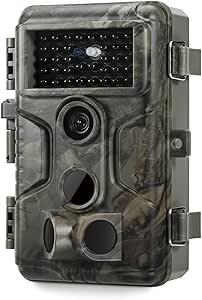 | Best Overall for No-Glow Monitoring | Photo resolution: 64MP | Video resolution: 1296P HD with sound | Night vision: 940nm no-glow infrared, up to 100 feet | VIEW LATEST PRICE | See Our Full Breakdown |
| CEYOMUR Trail Camera, 36MP Photos and 2K Video with Night Vision |  | Best for Beginners | Photo resolution: 36MP | Photo sensor resolution: 20MP | Video resolution: 2K | VIEW LATEST PRICE | See Our Full Breakdown |
| SPYPOINT FLEX-M Cellular Trail Camera, Twin Pack |  | Best Cellular Value for Multiple Locations | Pack: 2 cameras | Photo resolution: 28MP | Video resolution: 720p with sound | VIEW LATEST PRICE | See Our Full Breakdown |
| Moultrie EDGE 3 Cellular Trail Camera, 2-Pack, 40MP, 0.5-Second Trigger |  | Best Premium Cellular Pair | Pack: 2 cameras | Photo resolution: 40MP | Video resolution: 1080p HD | VIEW LATEST PRICE | See Our Full Breakdown |
| MAXDONE Solar Trail Camera with WiFi and Bluetooth, 4K Video, 64MP Photos, Night Vision, 6000mAh Battery and 32GB Card |  | Best Solar Camera for Nearby Phone Access | Photo resolution: 64MP | Video resolution: 4K at 30 fps | Night vision: Low glow, up to 65 feet | VIEW LATEST PRICE | See Our Full Breakdown |
| Solar-Powered 4K Trail Camera with Dual Lenses, WiFi, and Night Vision |  | Best for Solar-Assisted Local Monitoring | Video: 4K at 30 FPS | Photo resolution: Up to 60 MP | Trigger speed: 0.1 seconds | VIEW LATEST PRICE | See Our Full Breakdown |
| WOSPORTS 64MP 4K Trail Camera with No-Glow Night Vision |  | Best for Discreet Night Monitoring | Photo resolution: Up to 64 MP | Video resolution: Up to 4K (3840 × 2160) | Trigger speed: 0.2 seconds | VIEW LATEST PRICE | See Our Full Breakdown |
| MAXDONE Solar Trail Camera with 4K Video, 64MP Photos, and 7800mAh Battery |  | Best for Wide-Area Solar Coverage | Video resolution: 4K | Photo resolution: 64 MP | Field of view: 130 degrees | VIEW LATEST PRICE | See Our Full Breakdown |
| MAXDONE Solar Trail Camera, 4K 64MP with Night Vision |  | Best for Flexible Charging | Video resolution: 4K | Photo resolution: 64 MP | Night vision: Infrared, up to 65 feet | VIEW LATEST PRICE | See Our Full Breakdown |
| Loatos 4G LTE Cellular Trail Camera with Solar Panel and 2K Live View |  | Best for Remote Wildlife Alerts | Connectivity: 4G LTE cellular; no WiFi required | Video: 2K live view; listed capture resolution is 1080p | Trigger speed: 0.2 seconds | VIEW LATEST PRICE | See Our Full Breakdown |
| GardePro E5S Non-Cellular Trail Camera, 64MP Photos and 1296P HD Video |  | Best for Long-Range, No-Glow Monitoring | Photo resolution: 64 MP | Video resolution: 1296p | Trigger speed: 0.1 seconds | VIEW LATEST PRICE | See Our Full Breakdown |
| MAXDONE Solar Trail Camera with WiFi and Bluetooth, 4K 64MP Night Vision Game Camera |  | Best Solar Pick for Local App Viewing | Photo resolution: 64 MP | Video resolution: 4K | Night vision range: 65 feet | VIEW LATEST PRICE | See Our Full Breakdown |
| Meidase P70 Trail Camera, 64MP, 1296p HD Video |  | Best for High-Capacity Local Storage | Photo resolution: 64 MP | Video resolution: 1296p HD | Trigger speed: 0.1 seconds | VIEW LATEST PRICE | See Our Full Breakdown |
| KJK 4K 64MP WiFi Bluetooth Trail Camera with Night Vision |  | Best Ready-to-Use Kit | Photo resolution: 64 MP | Video resolution: 4K | Trigger speed: 0.1 seconds | VIEW LATEST PRICE | See Our Full Breakdown |
| Misstech Solar Trail Camera, 4K Video and 64MP Photos |  | Best for Solar Power and Field Playback | Photo resolution: 64 MP | Video resolution: 4K | Motion activation: 0.1 seconds | VIEW LATEST PRICE | See Our Full Breakdown |
| wildlife camera | Photo resolution | Video resolution | Trigger speed | Connectivity |
|---|---|---|---|---|
| GardePro A3S 64MP Non-Cellular | 64MP | 1296P HD with sound | 0.1 seconds | — |
| CEYOMUR Trail Camera | 36MP | 2K | — | — |
| SPYPOINT FLEX-M Cellular Trail | 28MP | 720p with sound | 0.4 seconds | Cellular, with app image transmission |
| Moultrie EDGE 3 Cellular Trail | 40MP | 1080p HD | 0.5 seconds | Automatic connection to four major U.S. networks |
| MAXDONE Solar Trail Camera wit | 64MP | 4K at 30 fps | — | Wi-Fi 6 and Bluetooth; 55-foot camera hotspot range |
| Solar-Powered 4K Trail Camera | Up to 60 MP | — | 0.1 seconds | Direct WiFi hotspot and Bluetooth |
| WOSPORTS 64MP 4K Trail Camera | Up to 64 MP | Up to 4K (3840 × 2160) | 0.2 seconds | Non-cellular and non-WiFi |
| MAXDONE Solar Trail Camera wit | 64 MP | 4K | 0.1 seconds | Nearby WiFi and Bluetooth app control |
| MAXDONE Solar Trail Camera | 64 MP | 4K | 0.1 seconds | — |
| Loatos 4G LTE Cellular Trail C | — | — | 0.2 seconds | 4G LTE cellular; no WiFi required |
| GardePro E5S Non-Cellular Trai | 64 MP | 1296p | 0.1 seconds | — |
| MAXDONE Solar Trail Camera wit | 64 MP | 4K | 0.1 seconds | WiFi 6 and Bluetooth; built-in hotspot only |
| Meidase P70 Trail Camera | 64 MP | 1296p HD | 0.1 seconds | — |
| KJK 4K 64MP WiFi Bluetooth Tra | 64 MP | 4K | 0.1 seconds | Bluetooth and WiFi; no home-router connection |
| Misstech Solar Trail Camera | 64 MP | 4K | — | Bluetooth via Trailcam Go app |
More Details on Our Top Picks
GardePro A3S 64MP Non-Cellular Trail Camera with 1296P HD Video
I’d choose the GardePro A3S for wildlife monitoring where dependable night coverage and quick capture matter more than remote access. Its 0.1-second trigger and wide 120° detection angle help catch animals moving across a trail, while 100-foot no-glow infrared keeps illumination less visible than the CEYOMUR’s 850nm infrared. It also records 1296P video with sound and offers time-lapse and hybrid modes, giving it more recording flexibility than a basic motion-only setup. The tradeoff is that it’s fully non-cellular and non-Wi-Fi: I’d need to retrieve its SD card to review footage. Batteries, card, and optional solar panel are separate purchases, so the included kit is less ready to deploy than the MAXDONE solar model.
Pros:- 0.1-second trigger and 120° detection angle help capture fast-moving animals.
- 940nm no-glow infrared provides night vision up to 100 feet.
- Records 64MP photos and 1296P video with sound.
- Offers motion detection, time-lapse, and hybrid recording.
Cons:- No cellular or Wi-Fi connection; footage must be retrieved from the SD card.
- Eight AA batteries, SD card, and optional solar panel are not included.
Best for: Wildlife watchers who want broad, no-glow night coverage and detailed local recordings at a remote trail or feeding area.
Not ideal for: People who need images sent to a phone or want a complete out-of-box setup, since this camera requires a separate SD card and power source.
- Photo resolution:64MP
- Video resolution:1296P HD with sound
- Night vision:940nm no-glow infrared, up to 100 feet
- Trigger speed:0.1 seconds
- Detection angle:120°
- Power:8 AA batteries or optional SP350 solar panel
- Storage:SD cards up to 512GB
- Water resistance:IP66
Our verdict“Choose the GardePro A3S for fast, long-range no-glow monitoring when local SD-card retrieval is acceptable.”
CEYOMUR Trail Camera, 36MP Photos and 2K Video with Night Vision
The CEYOMUR Trail Camera suits first-time wildlife watchers who want straightforward controls rather than app features or cellular plans. Its integrated lens, screen, and controls make setup and framing adjustments simple at the tree, and the 2-inch LCD gives a basic way to check settings. Motion detection, time-lapse, audio recording, and timestamp options cover common monitoring needs. Compared with the GardePro A3S, it has lower listed photo resolution and a shorter, unspecified night-vision reach, but its 2K video gives beginners a simple route to recording activity. Its 850nm infrared produces black-and-white night footage and may be more visible than the GardePro’s 940nm no-glow illumination. I’d also factor in the separate eight AA batteries and SD card before choosing it.
Pros:- Integrated lens, screen, and controls simplify setup and framing.
- Records 2K video and 36MP photos.
- Motion detection and time-lapse support varied monitoring routines.
- IP66-rated housing is designed for outdoor use.
Cons:- Eight AA batteries and an SD card are sold separately.
- 850nm night footage is black and white and lacks the GardePro A3S’s stated 100-foot no-glow range.
Best for: New trail-camera owners who want on-camera controls and basic motion or time-lapse monitoring without cellular service.
Not ideal for: Wildlife observers who need long-range, no-glow night coverage or want batteries and storage included.
- Photo resolution:36MP
- Photo sensor resolution:20MP
- Video resolution:2K
- Night vision:850nm infrared, black and white
- Infrared LEDs:24
- Screen:2-inch LCD
- Power:8 AA batteries, not included
- Water resistance:IP66
Our verdict“Pick the CEYOMUR for approachable on-camera setup, but choose the GardePro A3S if night range and no-glow illumination matter more.”
SPYPOINT FLEX-M Cellular Trail Camera, Twin Pack
For monitoring two locations without regular SD-card trips, I’d shortlist the SPYPOINT FLEX-M twin pack. Cellular transmission and app-based management let images reach a phone, a practical difference from the local-storage GardePro A3S and CEYOMUR. Its photo, video, time-lapse, and time-lapse+ modes also let me adapt captures to different sites. The tradeoff is capture detail: it records 28MP photos and 720p video, below the Moultrie EDGE 3’s 40MP and 1080p. The SPYPOINT’s 0.4-second trigger and 90-foot motion range are useful, though not as quick or broad as the GardePro’s stated figures. A free plan transmits up to 100 photos monthly; a microSD card is required, and solar panels are separate.
Pros:- Twin pack supports monitoring at two locations.
- Cellular image transmission and remote management are available through the app.
- Includes photo, video, time-lapse, and time-lapse+ capture modes.
- Tracks network performance across carriers.
Cons:- 720p video and 28MP photos offer less capture detail than the Moultrie EDGE 3.
- Free plan is limited to 100 transmitted photos per month.
- MicroSD card and optional solar panels are sold separately.
Best for: Landowners or wildlife observers who want app-delivered images from two sites and can work within a limited free transmission allowance.
Not ideal for: Buyers who prioritize high-resolution video, want unlimited image transmission without a data plan, or prefer a camera that works without cellular coverage.
- Pack:2 cameras
- Photo resolution:28MP
- Video resolution:720p with sound
- Motion detection range:90 feet
- Trigger speed:0.4 seconds
- Connectivity:Cellular, with app image transmission
- Night vision:Low glow
- Free photo plan:Up to 100 transmitted photos per month
Our verdict“Choose the SPYPOINT FLEX-M pair for remote image delivery at two sites if its resolution and monthly free-plan limit fit your needs.”
Moultrie EDGE 3 Cellular Trail Camera, 2-Pack, 40MP, 0.5-Second Trigger
The Moultrie EDGE 3 two-pack is the more feature-rich cellular choice for buyers who want remote alerts and animal identification tools, not just images sent to an app. It captures 40MP photos and 1080p video, exceeding the SPYPOINT FLEX-M’s 28MP and 720p, and can connect automatically to four major U.S. networks. AI buck detection, live aiming, GPS mapping, and real-time alerts add useful ways to manage cameras without frequent visits. Those features make it better suited to active site management than the simpler GardePro A3S, but come with a recurring requirement: an active Moultrie data plan is sold separately. Its 0.5-second trigger is slower than the SPYPOINT’s 0.4 seconds, and the listed feeder controls only work with compatible Moultrie Connect-enabled feeders.
Pros:- Two cameras provide coverage for separate trails or monitoring zones.
- 40MP photos and 1080p video exceed the SPYPOINT FLEX-M’s listed resolution.
- Automatic connection to four major U.S. networks supports flexible placement.
- AI buck detection, real-time alerts, live aiming, and GPS mapping add remote-management tools.
Cons:- An active Moultrie data plan is required and sold separately.
- Compatible feeder controls require a Moultrie Connect-enabled feeder.
- Low-glow infrared is not a no-glow night-vision system.
Best for: Hunters and land managers who want two cellular cameras with app alerts, mapping, and AI buck detection.
Not ideal for: People who want a one-time, offline setup or do not want to maintain a cellular data plan.
- Pack:2 cameras
- Photo resolution:40MP
- Video resolution:1080p HD
- Trigger speed:0.5 seconds
- Detection range:100 feet
- Connectivity:Automatic connection to four major U.S. networks
- Special features:AI animal detection, real-time alerts, live aim, built-in GPS
- Operating temperature:14°F to 140°F
Our verdict“Choose this Moultrie pair if you want feature-rich cellular management at two sites and are comfortable with a separate data plan.”
MAXDONE Solar Trail Camera with WiFi and Bluetooth, 4K Video, 64MP Photos, Night Vision, 6000mAh Battery and 32GB Card
The MAXDONE Solar Trail Camera is a strong fit for a wildlife site I can visit occasionally but want to check without pulling its card each time. Its solar panel, 6000mAh rechargeable battery, and included 32GB microSD card give it a more complete starting setup than the GardePro A3S, which needs separate batteries and storage. It also records 4K video and 64MP photos, with a 0.1-second trigger and 130° detection angle. Phone access has a clear limit: Wi-Fi and Bluetooth connect to the camera’s own hotspot, not home Wi-Fi or cellular service. The hotspot range is 55 feet, and initial pairing requires the phone to be very close. Its 65-foot low-glow night range is shorter than the GardePro’s 100-foot no-glow coverage.
Pros:- Solar panel and 6000mAh rechargeable battery support outdoor operation.
- Includes a 32GB microSD card, unlike the GardePro A3S’s separately purchased storage.
- Captures 4K video and 64MP photos.
- 0.1-second trigger and 130° detection angle help capture passing wildlife.
Cons:- Wi-Fi is a local camera hotspot, not a home-network or cellular connection.
- Phone hotspot range is limited to 55 feet, and initial pairing requires close proximity.
- 65-foot low-glow night range is shorter than the GardePro A3S’s stated 100-foot no-glow range.
Best for: Wildlife watchers who want solar-supported recording and app-based media transfers while standing near the camera.
Not ideal for: Buyers who need remote alerts from far away, cellular image delivery, or longer-range no-glow night vision.
- Photo resolution:64MP
- Video resolution:4K at 30 fps
- Night vision:Low glow, up to 65 feet
- Battery capacity:6000mAh
- Included storage:32GB microSD card
- Maximum storage:256GB microSD card
- Connectivity:Wi-Fi 6 and Bluetooth; 55-foot camera hotspot range
- Trigger speed and detection angle:0.1 seconds; 130°
Our verdict“Pick the MAXDONE for solar-powered 4K recording and nearby phone transfers, not for remote cellular monitoring.”
Solar-Powered 4K Trail Camera with Dual Lenses, WiFi, and Night Vision
This camera suits buyers who want to check footage nearby without paying for cellular service or relying on a home network. Its direct WiFi hotspot lets a phone connect at the camera, while the solar panel, rechargeable battery, and AA backup give it more power flexibility than the battery-dependent WOSPORTS 64MP 4K Trail Camera. Automatic day-and-night lens switching also adapts capture to changing light without requiring manual mode changes. A 0.1-second trigger and 120-degree view help it cover passing wildlife, and loop recording can overwrite older files when the card fills. The tradeoffs are practical: a memory card is not included, and its 850 nm infrared night illumination can produce a faint red glow. Choose the WOSPORTS instead if no-glow night recording matters more than solar charging.
Pros:- Solar panel, internal rechargeable battery, and AA backup offer several power options.
- Direct WiFi hotspot allows nearby phone access without internet or cellular coverage.
- Automatic day-and-night lens switching adapts capture to changing light.
- IP66 housing and loop recording suit unattended outdoor placement.
Cons:- Memory card must be purchased separately.
- 850 nm infrared illumination emits a faint red glow at night.
- WiFi access is local, not a way to receive remote alerts.
Best for: Wildlife watchers placing a camera where they can visit periodically and want solar assistance plus phone-based file access without cellular service.
Not ideal for: Buyers who need remote alerts, included storage, or fully invisible infrared illumination at night.
- Video:4K at 30 FPS
- Photo resolution:Up to 60 MP
- Trigger speed:0.1 seconds
- Viewing angle:120 degrees
- Power:5200 mAh internal battery, 2 W solar panel, or 4 AA backup batteries
- Night vision:850 nm infrared
- Connectivity:Direct WiFi hotspot and Bluetooth
- Weather resistance:IP66
- Storage:Loop recording; memory card not included
Our verdict“Pick this for solar-assisted monitoring and nearby phone downloads; choose the WOSPORTS if no-glow night vision is your priority.”
WOSPORTS 64MP 4K Trail Camera with No-Glow Night Vision
The WOSPORTS is the clearest fit for locations where visible nighttime illumination could disturb wildlife or reveal the camera. Its 940 nm no-glow infrared sets it apart from the Solar-Powered 4K Trail Camera with Dual Lenses, whose 850 nm illumination may show a faint red glow. It also pairs up to 64 MP photos and 4K video with a 0.2-second trigger and 120-degree detection angle, giving it a broad, responsive capture area. A 16 GB card is included, so it is more ready to set up than options that arrive without storage. The tradeoff is power: the camera uses 8 AA batteries unless you separately add a rechargeable battery or compatible solar panel. It is also non-WiFi and non-cellular, so reviewing files means going to the camera. Choose a solar-equipped MAXDONE model if reducing battery changes matters more than no-glow operation.
Pros:- 940 nm no-glow infrared is designed to avoid visible illumination at night.
- Captures up to 64 MP photos and 4K video.
- 0.2-second trigger and 120-degree detection angle cover quick movement across a wide area.
- Includes a 16 GB card and offers tree or wall mounting.
Cons:- No WiFi or cellular connectivity for remote or phone-based file access.
- Rechargeable battery and compatible solar panel are separate purchases.
- Maximum supported storage is 256 GB.
Best for: Wildlife observers who want discreet nighttime recording and are comfortable retrieving the camera or memory card to review footage.
Not ideal for: Remote property owners seeking app access, alerts, or solar charging included with the camera.
- Photo resolution:Up to 64 MP
- Video resolution:Up to 4K (3840 × 2160)
- Trigger speed:0.2 seconds
- Detection angle:120 degrees
- Night vision:940 nm no-glow infrared, up to 80 feet
- Display:2-inch color LCD
- Power:8 AA batteries, separately sold rechargeable battery, or compatible solar panel
- Storage:Includes 16 GB card; supports up to 256 GB
- Connectivity:Non-cellular and non-WiFi
Our verdict“Choose the WOSPORTS for discreet night capture and included starter storage, but select a solar MAXDONE model for less hands-on power management.”
MAXDONE Solar Trail Camera with 4K Video, 64MP Photos, and 7800mAh Battery
For a clearing, trail junction, or other broad scene, this MAXDONE combines a 130-degree field of view with a fast 0.1-second trigger, making it the widest-coverage choice in this group. Its 7800 mAh rechargeable battery and solar panel also give it a stronger stated battery capacity than the 6000 mAh MAXDONE Solar Trail Camera, while an included 32 GB card makes initial setup simpler. The camera records 4K video and 64 MP photos, with motion, time-lapse, scheduled, and five-shot burst modes for different observation needs. The limitation is connectivity: WiFi and Bluetooth support nearby app control only, not remote viewing or motion alerts, much like the other short-range MAXDONE model. Its 1.77-inch screen is smaller than the WOSPORTS display. Pick this one for broad solar-powered coverage, not for monitoring from afar.
Pros:- 130-degree field of view covers a wider scene than the other listed cameras.
- 7800 mAh rechargeable battery and solar panel support extended outdoor placement.
- Includes a 32 GB microSD card and SD adapter.
- Offers motion detection, time-lapse, scheduled shooting, and five-shot burst.
Cons:- WiFi and Bluetooth require the phone to be nearby; there are no remote alerts.
- 1.77-inch screen is smaller than the WOSPORTS camera’s 2-inch display.
- Does not connect to home WiFi.
Best for: Landowners monitoring a wide outdoor area who want solar-assisted power, several recording modes, and local app access.
Not ideal for: Buyers who need remote alerts, home WiFi access, or a larger built-in screen for checking footage at the camera.
- Video resolution:4K
- Photo resolution:64 MP
- Field of view:130 degrees
- Trigger speed:0.1 seconds
- Battery and charging:7800 mAh rechargeable battery with solar panel
- Display:1.77-inch color screen
- Connectivity:Nearby WiFi and Bluetooth app control
- Recording modes:Motion detection, time-lapse, scheduled shooting, and five-shot burst
- Included storage:32 GB microSD card and SD adapter
Our verdict“Choose this MAXDONE for broad coverage, a larger stated battery capacity, and included storage; choose the cellular Loatos if remote access is a must.”
MAXDONE Solar Trail Camera, 4K 64MP with Night Vision
This MAXDONE makes sense for placements where sunlight, USB-C access, or battery charging may each be useful at different times. Its adjustable solar panel helps aim the charging surface independently, while support for solar, USB-C, and rechargeable-battery charging offers more charging routes than the WOSPORTS, which relies on AA cells unless extra power gear is added. Capture specs are strong for everyday wildlife monitoring: 4K video, 64 MP photos, a 0.1-second trigger, and infrared night vision rated up to 65 feet. A 32 GB SD card is included, and the TrailCamGO app can retrieve files over a short-range hotspot. That is not remote monitoring: unlike the Loatos 4G LTE camera, this model offers no cellular connection or real-time alerts, and its stated WiFi range is limited. Choose it for adaptable local setup, not unattended notification from a distant site.
Pros:- Adjustable solar panel allows more flexible aiming toward sunlight.
- Supports solar, USB-C, and rechargeable-battery charging.
- 0.1-second trigger and infrared night vision rated up to 65 feet.
- Includes a 32 GB SD card and supports app-based downloads.
Cons:- No home WiFi, cellular connection, or real-time motion alerts.
- WiFi file access is limited to roughly 33–50 feet in open areas.
- Wall mount may not suit buyers who specifically need a tree-mount setup.
Best for: Wildlife camera owners who can visit the camera and want flexible charging options plus app-based downloads at close range.
Not ideal for: Buyers who need live remote viewing, cellular alerts, or dependable access from outside the camera’s short-range wireless area.
- Video resolution:4K
- Photo resolution:64 MP
- Night vision:Infrared, up to 65 feet
- Trigger speed:0.1 seconds
- Battery:6000 mAh rechargeable battery
- Charging:Solar, USB-C, and rechargeable battery
- Wireless range:WiFi range of about 33–50 feet in open areas
- Included storage:32 GB SD card; supports up to 256 GB
- Mount:Wall mount
Our verdict“Pick this MAXDONE for flexible charging and nearby file downloads, but choose the Loatos if you need wildlife alerts while away from the camera.”
Loatos 4G LTE Cellular Trail Camera with Solar Panel and 2K Live View
The Loatos stands apart because it can send wildlife activity to a phone when the camera is out of reach. Its 4G LTE connection supports remote live viewing and animal alerts, unlike both MAXDONE models here, which only allow nearby app access and file downloads. A 4 W solar panel and 7800 mAh battery support longer outdoor placement, while 940 nm infrared is designed for discreet nighttime capture. Motion zones and recording schedules give owners ways to tune what triggers activity, and two-way audio adds an uncommon communication feature. Image detail is the compromise: the listed capture resolution is 1080p, with 2K live view, below the 4K recording offered by the MAXDONE cameras and WOSPORTS. Cellular service is limited to the United States, requires a paid plan after the seven-day data trial, and the microSD card is not included. Choose it when remote access matters more than maximum capture resolution.
Pros:- 4G LTE enables remote live viewing and animal alerts without WiFi.
- Solar panel and 7800 mAh rechargeable battery support outdoor placement.
- 940 nm infrared night vision is designed for discreet nighttime recording.
- Motion zones, schedules, and two-way audio provide additional app controls.
Cons:- A paid data plan is required after the included seven-day trial, and service is currently limited to the United States.
- Listed capture resolution is 1080p, below the 4K recording offered by several alternatives.
- MicroSD card is not included; local storage supports up to 128 GB.
Best for: U.S. landowners who cannot visit their camera often and want remote live viewing and motion alerts through a cellular app.
Not ideal for: Buyers outside the United States, those avoiding ongoing data-plan costs, or wildlife photographers prioritizing 4K recorded footage.
- Connectivity:4G LTE cellular; no WiFi required
- Video:2K live view; listed capture resolution is 1080p
- Trigger speed:0.2 seconds
- Field of view:120 degrees
- Night vision:940 nm infrared
- Power:7800 mAh rechargeable battery and 4 W solar panel
- Storage:MicroSD card up to 128 GB; card not included
- Weather resistance:IP66
- Data access:Seven-day unlimited data trial; paid plan required afterward
Our verdict“Choose the Loatos if remote alerts and live viewing are worth a cellular plan; choose a non-cellular MAXDONE for 4K recording without ongoing data service.”
GardePro E5S Non-Cellular Trail Camera, 64MP Photos and 1296P HD Video
The GardePro E5S is a strong fit for watching a quiet trail without adding wireless features or visible nighttime illumination. Its 100-foot no-glow night vision reaches farther than the 65-foot range listed for the MAXDONE Solar Trail Camera, while the 120-degree view and three PIR sensors help it catch movement across a wider area. A 0.1-second trigger is useful when animals cross quickly, and the IP66 housing is suited to outdoor placement. The tradeoff is a more hands-on retrieval routine: footage stays on the SD card, and the camera needs eight AA batteries unless you buy the optional solar panel. Compared with the app-connected MAXDONE, this is the simpler choice for remote sites where local capture matters more than phone access.
Pros:- 100-foot no-glow night vision suits darker or more distant monitoring spots.
- Three PIR sensors and a 0.1-second trigger help capture fast-moving animals.
- IP66 weather-resistant housing supports outdoor installation.
- Optional GardePro SP350 solar panel can reduce battery changes.
Cons:- Eight AA batteries are required and are not included.
- The solar panel is sold separately.
- Footage must be retrieved from the SD card; there is no Wi-Fi or cellular access.
Best for: Wildlife watchers placing a camera on a remote trail who want long-range no-glow night capture and do not need app access.
Not ideal for: Buyers who want to check footage on a phone or avoid carrying spare AA batteries and retrieving an SD card.
- Photo resolution:64 MP
- Video resolution:1296p
- Trigger speed:0.1 seconds
- Night vision range:100 feet
- Field of view:120 degrees
- Power:8 AA batteries; optional GardePro SP350 solar panel
Our verdict“Choose the E5S for long-range, discreet monitoring when SD-card retrieval is acceptable and phone connectivity is unnecessary.”
MAXDONE Solar Trail Camera with WiFi and Bluetooth, 4K 64MP Night Vision Game Camera
The MAXDONE Solar Trail Camera pairs a rechargeable 6000mAh battery and solar charging with 4K video and 64MP stills, making it appealing for locations where frequent battery swaps are inconvenient. Its WiFi 6 and Bluetooth connection let you view and download clips through an app without pulling the card, a clear advantage over the non-connected GardePro E5S. That convenience has a boundary: the camera creates its own hotspot and does not connect to a home router or cellular network, so you need to be nearby, including very close during initial pairing. Night vision reaches 65 feet, shorter than the E5S’s listed 100 feet, and its 100-degree detection angle is narrower. I’d choose this model for solar-assisted, nearby checks—not remote live access.
Pros:- Solar charging and a 6000mAh rechargeable battery can reduce routine battery changes.
- 4K video and 64MP stills provide high-resolution recordings.
- WiFi 6 and Bluetooth support local app viewing without removing the card.
- IP66-rated housing is suited to outdoor weather exposure.
Cons:- Its built-in hotspot does not provide home WiFi, cellular, or remote access.
- Initial phone connection requires very close proximity to the camera.
- 65-foot night vision and a 100-degree detection angle are more limited than the GardePro E5S’s listed range and view.
Best for: Property owners or wildlife observers who can visit the camera and want solar-assisted power with local phone downloads.
Not ideal for: Buyers needing cellular alerts, home-network access, a broad detection angle, or long-range night vision.
- Photo resolution:64 MP
- Video resolution:4K
- Night vision range:65 feet
- Battery:6000mAh rechargeable battery with solar charging
- Connectivity:WiFi 6 and Bluetooth; built-in hotspot only
- Trigger speed:0.1 seconds
- Detection angle:100 degrees
- Included storage:32GB TF card; supports up to 256GB
Our verdict“Pick the MAXDONE for solar-backed power and nearby app access, but skip it if you need to check a camera from home.”
Meidase P70 Trail Camera, 64MP, 1296p HD Video
The Meidase P70 suits wildlife watchers who want a straightforward, non-connected camera but expect to save plenty of footage. Its support for SD cards up to 512GB gives it a storage advantage over the KJK KJK230, which supports up to 128GB, and the built-in 2.4-inch color screen makes checking setup or playback possible at the camera. Image capture is familiar territory: 64MP photos, 1296p video, a 0.1-second trigger, and 100-foot no-glow night vision. That combination favors detailed local recording rather than remote monitoring. The tradeoff is that neither an SD card nor power source is included; eight AA batteries are needed, while the SP350 solar panel costs extra. Compared with the GardePro E5S, the P70 offers a screen and greater stated card capacity, but not phone connectivity.
Pros:- Supports SD, SDHC, and SDXC cards up to 512GB for extensive local recording.
- 2.4-inch color display helps with setup and on-site playback.
- 100-foot no-glow night vision and 0.1-second trigger support discreet motion capture.
- IP66 rating and optional SP350 solar power suit extended outdoor placement.
Cons:- Eight AA batteries and the SD card are not included.
- Optional solar panel is sold separately.
- No Wi-Fi or cellular connection means footage requires on-site access.
Best for: Field observers who record long sessions, want a built-in screen, and are comfortable managing SD cards and batteries.
Not ideal for: Buyers who want an included memory card, wireless clip access, or a ready-to-mount setup without separate purchases.
- Photo resolution:64 MP
- Video resolution:1296p HD
- Trigger speed:0.1 seconds
- Night vision range:100 feet
- Display:2.4-inch color screen
- Storage:SD, SDHC, or SDXC up to 512GB
- Power:8 AA batteries or optional SP350 solar panel
Our verdict“Choose the P70 when high-capacity SD storage and an on-camera screen matter more than wireless access or included accessories.”
KJK 4K 64MP WiFi Bluetooth Trail Camera with Night Vision
The KJK KJK230 has a practical advantage for buyers who want to set up a camera without first sourcing basic accessories: it includes eight AA batteries and a 32GB SD card. Its 4K video, 64MP photos, 0.1-second trigger, and broad 130-degree detection angle make it a capable choice for a trail or property boundary. The IP67 enclosure also carries a stronger stated ingress rating than the IP66-rated GardePro E5S and Meidase P70. Its WiFi and Bluetooth are for nearby app access, though—not remote monitoring through a home router or cellular network. That limitation makes it less convenient at distant sites than a cellular camera, while the included batteries mean it asks less upfront preparation than the P70. Night-vision range is not specified in the supplied product details.
Pros:- Includes eight AA batteries and a 32GB SD card for a more complete setup.
- 130-degree detection angle covers a broad area.
- 4K video, 64MP photos, and a 0.1-second trigger support detailed motion capture.
- IP67 enclosure offers a higher stated weather-protection rating than the IP66-rated P70.
Cons:- WiFi works within the camera’s range and cannot connect to a home router.
- App access is not cellular or remote, so checks require proximity.
- Maximum supported storage is 128GB microSD, below the Meidase P70’s 512GB limit.
Best for: First-time trail-camera owners who want included batteries and storage, plus a wide detection area for nearby app checks.
Not ideal for: Remote-site users who need cellular access, or buyers who want confirmed long-range night-vision performance.
- Photo resolution:64 MP
- Video resolution:4K
- Trigger speed:0.1 seconds
- Detection angle:130 degrees
- Connectivity:Bluetooth and WiFi; no home-router connection
- Included storage:32GB SD card; supports up to 128GB microSD
- Included power:8 AA batteries
Our verdict“Pick the KJK for an easier out-of-box setup and wide coverage, provided nearby-only app access fits your site.”
Misstech Solar Trail Camera, 4K Video and 64MP Photos
The Misstech Solar Trail Camera combines a rechargeable battery and solar panel with on-camera playback and a local app connection, giving wildlife watchers two ways to review clips without pulling the memory card. That makes it a useful middle ground between the screen-free GardePro E5S and the app-focused MAXDONE Solar Trail Camera. It records 4K video and 64MP photos, and its 0.1-second motion activation is suited to quick crossings. The included card is only 8GB, however, so long video sessions may call for an upgrade; the KJK KJK230 arrives with 32GB. App access is also local, with a listed open-area range of 30–50 metres, not a route to remote monitoring. The stated night-vision range is 65 inches, a short reach compared with the E5S’s 100 feet.
Pros:- Solar panel and rechargeable battery reduce reliance on disposable AA batteries.
- Built-in screen and local app connection allow clip review without removing the card.
- 4K video, 64MP photos, and 0.1-second motion activation cover detailed recording needs.
- Time-lapse and five-frame sequence modes offer alternatives to standard motion clips.
Cons:- Included 8GB card may fill quickly, especially with 4K video.
- App range is limited to 30–50 metres in open areas and does not provide remote access.
- Listed night-vision range is 65 inches, far shorter than the GardePro E5S’s stated 100 feet.
Best for: Wildlife observers seeking solar-assisted power, on-camera playback, and short-range app access at a site they can visit.
Not ideal for: Buyers who need remote monitoring, substantial included storage, or a long, clearly specified night-vision range.
- Photo resolution:64 MP
- Video resolution:4K
- Motion activation:0.1 seconds
- Power:Rechargeable battery with solar panel
- Included storage:8GB Micro SD card; supports up to 128GB
- Connectivity:Bluetooth via Trailcam Go app
- App range:30–50 metres in open areas
- Special features:Time-lapse, five-frame sequence, moon phase and temperature indicators, location saving
Our verdict“Choose the Misstech for solar-assisted local viewing and extra capture modes, but plan on a larger card and nearby access.”
How We Picked
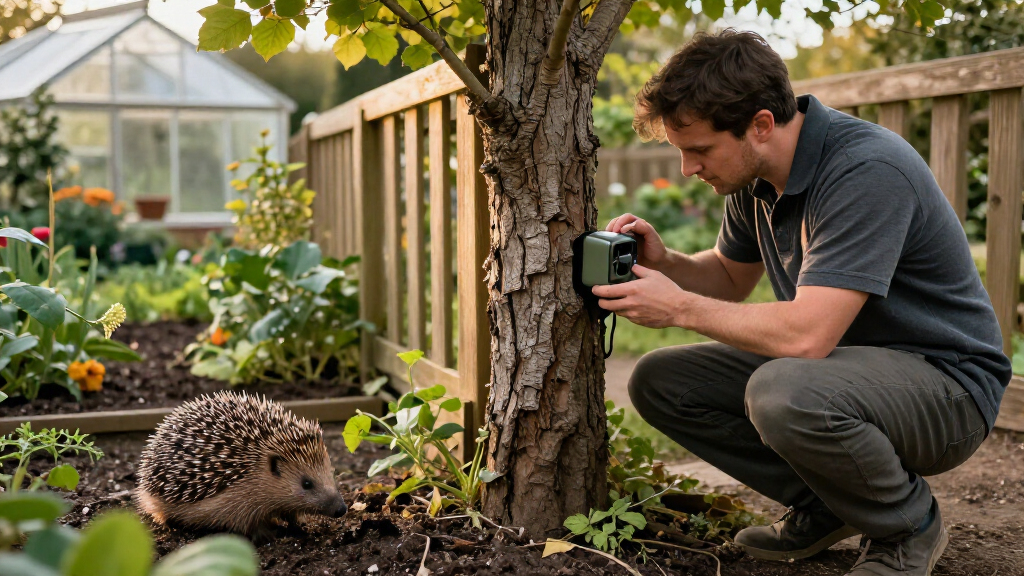
I compared these cameras around the decisions wildlife watchers actually face: whether they need remote image delivery, how they plan to power the camera, how easily they can retrieve files, and whether the stated photo and video capabilities suit routine monitoring. I also considered the practical differences between a single camera and a multi-camera kit, solar-equipped designs and conventional trail cameras, and local wireless access and cellular service. I treated feature claims as indicators of intended use, not proof that every camera will perform equally well in every habitat.
The ranking favors options with a clear, useful role and a relatively direct fit for that role. The GardePro A3S ranks first as a flexible non-cellular pick; cellular kits rank higher for remote monitoring but lower for buyers who do not need that access. Solar and wireless models earn attention when their power or file-transfer approach matches a buyer’s site, while closely related MAXDONE listings are differentiated by their stated battery capacity and connectivity rather than treated as identical. I also factor in tradeoffs: more connectivity can add setup and service requirements, and added solar hardware can mean more components to position and maintain.
Factors to Consider When Choosing Best Wildlife Cameras
Before choosing among these wildlife cameras, start with the conditions at the camera site, not the largest number on the packaging. A camera that is easy to check and power at a nearby garden may be a poor match for a distant property with weak cellular coverage. These factors help narrow the field before comparing individual models.
Choose Between Cellular and Local File Access
Cellular cameras are for people who need images sent from a site they cannot visit often; they are not simply trail cameras with a different transfer button. Before choosing one, check whether the location has a usable carrier signal and whether you are comfortable with the camera’s data plan or service requirements. WiFi and Bluetooth models generally support nearby setup or transfers, not viewing from across town. A common mistake is buying a cellular unit for a remote property without checking reception at the actual mounting spot. If you can retrieve a card routinely, a non-cellular camera may mean fewer dependencies and a simpler ongoing routine. If you cannot reach the camera easily, cellular access may justify the extra setup.
Match the Power System to Your Visit Schedule
Battery life depends on more than the advertised capacity: cold weather, frequent triggers, video length, wireless transfers, and the number of animals crossing the frame all affect consumption. Solar assistance can reduce battery changes, but it relies on suitable sun exposure and correctly positioned hardware. Shaded woodland may limit solar benefits even when the camera includes a panel. Think through how often you can visit before paying extra for solar or a larger battery. Keep in mind that a solar-equipped camera may still need a backup power plan during extended cloudy periods. For a reachable backyard, standard batteries may be simpler; for a hard-to-access site, reducing visits can matter more.
Treat Resolution as One Piece of Image Quality
Large megapixel and 4K claims can make two cameras look easy to compare, but they do not tell the whole story. Wildlife images depend on focus, exposure, motion handling, illumination, and how far the animal is from the lens. At night, a camera’s detection and infrared setup can matter more than a high still-photo figure. Decide whether you mainly need to identify an animal, inspect behavior, or record a clear clip before choosing a format. Long video clips and frequent high-resolution captures can also use storage and power faster. For routine species monitoring, dependable, readable captures may be more useful than the biggest headline resolution.
Plan Placement Around Detection and Nighttime Use
Even a capable camera can miss wildlife if its sensor points across a path at the wrong angle or sits where branches move in the wind. Mounting height, distance to the expected animal, sun direction, and nearby vegetation all affect what the camera records. No-glow night vision may be preferable when minimizing visible illumination matters, while other infrared approaches may suit a site where that concern is lower. Test the framing and detection area before leaving the camera unattended for a long stretch. Avoid aiming directly into strong morning or evening light, which can interfere with useful captures. Placement is a free adjustment that can improve results more than switching to a higher-resolution model.
Decide Whether You Need One Camera or a Pair
A twin pack can cover two trails, compare activity at separate habitats, or reduce the need to move one camera back and forth. That advantage disappears if you only have one useful mounting location or do not want to manage two sets of batteries, storage, and settings. Multi-camera cellular kits also multiply the value of reliable signal, but they can introduce more service and setup decisions. Map the locations you want to monitor before choosing a bundle. One well-placed camera can answer a focused question; two cameras are more useful when the sites offer a meaningful comparison. Do not let a bundle determine your monitoring plan.
Check Storage, Connectivity, and Routine Maintenance
Wireless transfer can save a trip, but it does not remove the need to think about storage, power, or camera upkeep. Confirm what memory card or storage is included, what file formats you can retrieve, and whether you need an app or nearby phone connection for setup. Cellular access adds a separate question: how images are delivered and what ongoing service the camera requires. Rain, condensation, insects, and moving leaves can also trigger maintenance or unwanted captures, so plan occasional checks even for solar models. Keep spare power and storage available if missing a recording would matter. The least complicated camera to maintain is often the better choice for a site you monitor casually.
Frequently Asked Questions
Should I choose a cellular wildlife camera if I only check my camera every few weeks?
Cellular access can be useful when you need to see activity between visits, especially at a distant property or a site where a camera card is difficult to retrieve. It adds setup, coverage, and service considerations, so it may not be worthwhile if you are content to review images during occasional visits. Check signal strength where the camera will sit, not just in the nearest town. If coverage is unreliable, remote delivery may be less dependable than collecting files locally. A non-cellular model is often the simpler match for a camera you can reach without much effort.
Will a solar-powered trail camera keep working in a shaded forest?
Solar assistance can reduce how often you replace or recharge batteries, but a shaded canopy limits the energy the panel can collect. Seasonal changes matter too: a spot with open sun in winter may be shaded after leaves return. Frequent triggers and video recording can increase power use regardless of the advertised battery capacity. For a wooded location, plan for backup power and check how the panel can be positioned relative to the camera. A solar model is most useful when its panel can receive meaningful light without pointing the camera away from the trail.
Is a 64MP or 4K wildlife camera automatically better for identifying animals?
No. Resolution describes image dimensions, not whether the animal will be sharply focused, well lit, or fully in frame. Nighttime exposure, trigger timing, distance, and camera placement can have a greater effect on whether you can identify an animal. Higher-resolution video can also take more storage and power, especially if the camera records often. Choose a model whose capture performance and nighttime approach fit your site, then frame the camera carefully. For species identification, a clear, properly exposed image usually matters more than the largest stated number.
Do WiFi and Bluetooth wildlife cameras let me check footage from anywhere?
Usually not: WiFi and Bluetooth on trail cameras generally refer to a nearby connection for setup or file transfer. You may need to stand within range of the camera to use the app or retrieve footage. Cellular models are the category intended to send images over a mobile network from a distant location, subject to coverage and any service requirements. Read the exact connectivity description before buying, since product titles can make wireless features sound broader than they are. If remote access is a must, confirm that the camera supports cellular delivery rather than local phone pairing alone.
Is a two-camera cellular kit a better choice than buying one camera?
A two-camera kit makes sense when you have two useful sites and want to monitor both at once, such as separate trails or different habitat edges. It can also help compare animal activity without moving a single camera and losing coverage during the change. The tradeoff is managing two mounting locations, power systems, and cellular connections. If you have only one strong placement, the second camera may add complexity without improving what you learn. Decide where each unit would go and what question it would answer before choosing a pair.
Conclusion
For a balanced, non-cellular setup, I recommend the GardePro A3S as the best overall pick in this lineup. The CEYOMUR is my best value-style choice for buyers who want a simpler camera with 2K video, while the MAXDONE 7800mAh solar model is the best premium fit for shoppers prioritizing a larger stated battery and solar assistance. New users who prefer a straightforward trail camera should start with the GardePro E5S and avoid paying for cellular access they will not use. For remote monitoring, choose the SPYPOINT FLEX-M Twin Pack when two sites need cellular coverage, or the Moultrie EDGE 3 two-pack when its stated trigger speed and 40MP capture align with your needs; for local wireless access, compare the MAXDONE, KJK, and other WiFi/Bluetooth models carefully. My final choice depends on the site: prioritize cellular for distance, solar for reduced battery visits where sunlight is available, and a conventional non-cellular camera when simplicity matters most.