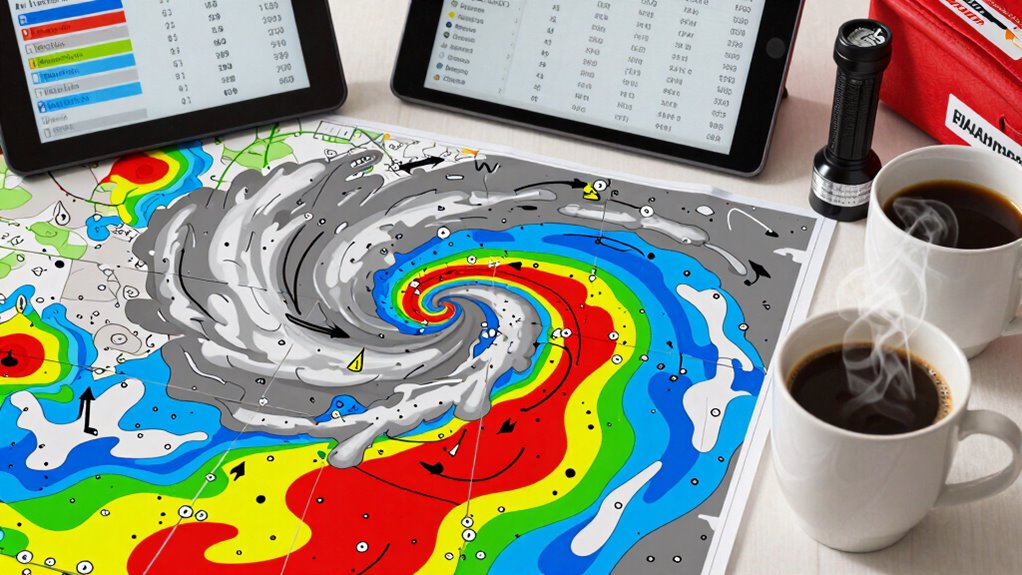

Including weather data in your preparedness plan is vital because it helps you anticipate and respond effectively to storms, floods, and heatwaves. Accurate forecasts enable you to make informed decisions about evacuations, resource deployment, and safety measures. By understanding long-term climate patterns, you can adjust your strategies for emerging weather trends. This proactive approach minimizes damage and boosts your resilience. Keep exploring to discover how integrating weather data can strengthen your entire emergency response.

Get garden gear delivered free with Prime
- Fast, free delivery on millions of items
- Prime Video, Amazon Music and more included
- Member-only deals all year
Key Takeaways
- Accurate weather data enables proactive planning and timely responses to emerging weather threats.
- It improves decision-making for evacuations, resource allocation, and emergency responses.
- Incorporating weather data helps identify climate trends and adapt strategies for long-term resilience.
- Weather information enhances communication and coordination among stakeholders during crises.
- It supports early warning systems, reducing damage and minimizing risks during severe weather events.
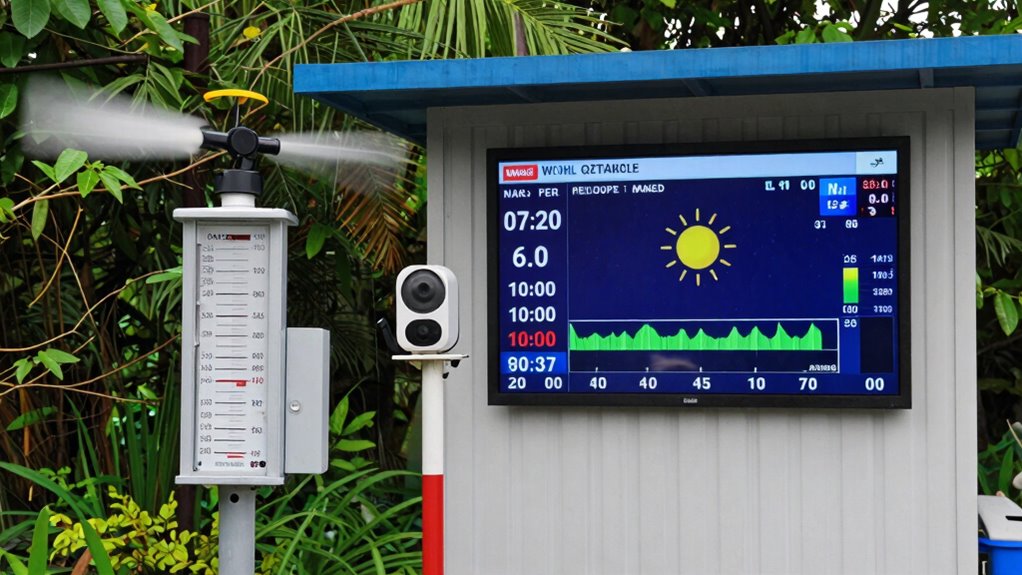
Understanding weather data is essential for developing effective preparedness plans, especially as extreme weather events become more frequent and severe. When you incorporate accurate weather forecasting into your planning, you gain critical insights into upcoming conditions, allowing you to make informed decisions to protect lives and property. Reliable weather data helps you anticipate storms, heatwaves, floods, or snowfalls, so you can act proactively rather than reactively. This foresight is fundamental in minimizing damage and guaranteeing that emergency response efforts are swift and well-coordinated. Accurate weather data also enhances your ability to identify patterns and trends that can influence long-term preparedness strategies. Recognizing these climate patterns is increasingly vital as climate variability continues to impact weather stability.
Weather forecasting is the foundation of any all-encompassing preparedness plan. By staying updated with current models and predictions, you can plan evacuations, allocate resources, and communicate risks clearly to those who depend on your leadership. When you understand the specifics of an approaching weather event, you can set up early warning systems that alert residents or staff, giving them enough time to take necessary precautions. This proactive approach greatly reduces panic and chaos during emergencies. Furthermore, integrating weather forecasts into your plan allows for adaptive responses. If forecasts shift or intensify, you can modify your strategies accordingly, ensuring your response remains effective and timely. Weather data also helps in recognizing changing climate patterns that could influence future emergency planning, which is increasingly important as climate variability continues to impact weather stability.
Popular right now

Apple AirPods Pro 3 Wireless Earbuds with Active Noise Cancellation

KitchenAid Artisan 5-Qt Tilt-Head Stand Mixer – Dried Rose (KSM150PS)

TCL 43-Inch 4K UHD Smart LED Roku TV (43S435, 2021 Model)
As an affiliate, we earn on qualifying purchases.
Frequently Asked Questions
How Often Should Weather Data Be Reviewed and Updated in Plans?
You should review and update weather data in your plans at least annually, considering historical trends and climate projections. Regular updates guarantee your preparedness remains relevant as weather patterns evolve. Stay informed about recent events and scientific forecasts, especially if there are significant climate shifts or new data. This proactive approach helps you adapt your plans effectively, minimizing risks and ensuring safety during extreme weather conditions.
What Specific Weather Metrics Are Most Critical for Preparedness?
You should focus on critical weather metrics like temperature fluctuations, storm severity, wind speed, and precipitation levels. Keep an eye on weather patterns and climate forecasts to anticipate severe events, such as hurricanes or heatwaves. By monitoring these metrics regularly, you can prepare effectively, adapt your plans as needed, and guarantee safety during extreme weather conditions. Staying informed helps you respond promptly and reduces potential risks.
How Can Small Organizations Access Reliable Weather Data?
You might think reliable weather data is out of reach, but it’s not. Small organizations can access climate modeling and satellite imagery through free or affordable platforms like NOAA, Weather Underground, and NASA. These tools provide real-time updates and forecasts, helping you anticipate severe weather events. Stay alert, tap into these resources, and boost your preparedness—because staying ahead of weather threats could save your organization.
What Are the Costs Associated With Integrating Weather Data?
Integrating weather data involves costs like purchasing data subscriptions, investing in technology, and staff training. Conducting a thorough cost analysis helps you understand these expenses and compare providers. You’ll want to focus on data accuracy, ensuring the information you rely on is precise and timely. While initial investments may seem high, accurate weather data can prevent costly disruptions, making it a valuable addition to your preparedness planning.
How Does Weather Data Improve Emergency Response Times?
Think of weather data as your emergency response compass, guiding you swiftly through chaos. By leveraging climate modeling and forecast accuracy, you can anticipate storms and disasters before they arrive. This foresight allows you to mobilize resources faster, evacuate vulnerable areas promptly, and coordinate efforts seamlessly. Ultimately, accurate weather data accelerates response times, minimizes damage, and safeguards lives—transforming uncertainty into strategic action.
Conclusion
Incorporating weather data into your preparedness plan isn’t just smart, it’s vital. Did you know that nearly 90% of natural disasters are weather-related? By staying informed, you can better anticipate storms, floods, or heatwaves, giving yourself essential time to act. Don’t wait for disaster to strike—use real-time weather data to protect yourself and your loved ones. Your safety depends on it, so make weather updates a key part of your readiness strategy.