
If you live in a small home, you need a different emergency plan because space limits your evacuation routes, storage options, and hazard management. Clutter can block pathways, and storage for supplies is tight, so quick access is vital. You must prioritize safety measures that fit your space, like securing furniture or elevating valuables. Understanding these unique challenges helps you prepare better—stay with us to discover how to tailor your plan effectively.

Get garden gear delivered free with Prime
- Fast, free delivery on millions of items
- Prime Video, Amazon Music and more included
- Member-only deals all year
Key Takeaways
- Limited space restricts evacuation routes and storage, requiring tailored, efficient emergency plans.
- Clutter and hazards pose higher risks in small homes, demanding customized safety measures.
- Smaller homes have fewer exits, making quick access and clear evacuation procedures critical.
- Space constraints necessitate compact, accessible emergency supplies and safety equipment.
- Emergency strategies must prioritize simplicity and speed due to limited maneuvering room.
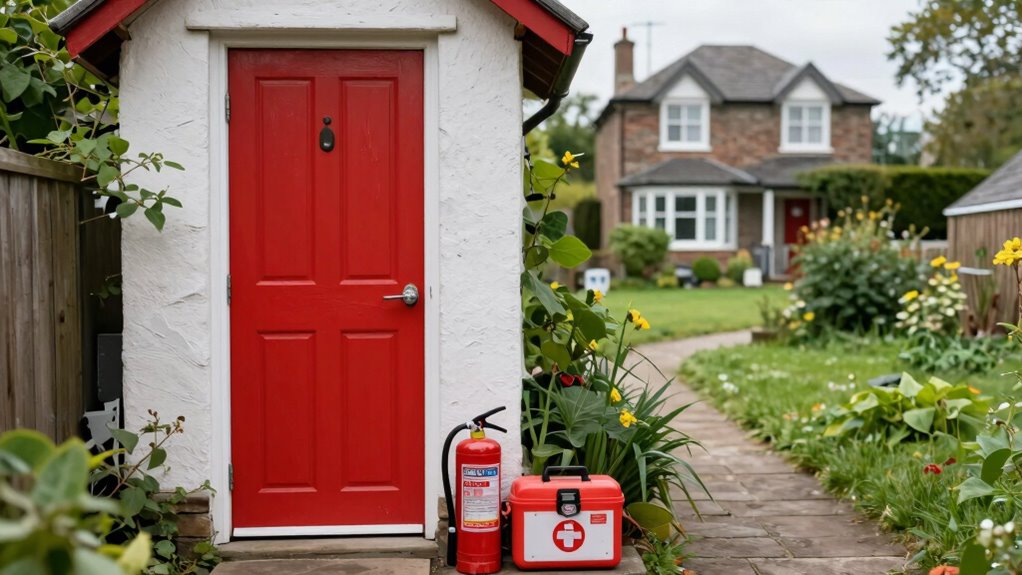
When living in a small home, having a solid emergency plan is essential to guarantee your safety and peace of mind. In a compact space, every second counts during a crisis, so your plan needs to be tailored to the unique challenges of limited room and resources. In addition, understanding home safety measures and how to implement them effectively can further enhance your preparedness. Small homes demand specific strategies for disaster preparedness because traditional plans designed for larger properties often don’t account for the constraints you face. For example, evacuation routes might be more limited, and storage space for emergency supplies is often tight. Recognizing these differences helps you create a more effective plan that keeps you safe in any situation.
Home safety in a small home involves more than just having a fire extinguisher or smoke alarms; it requires thoughtful planning around the space’s limitations. You need to identify the safest exit routes, making sure they’re clear and accessible at all times. Because your living area is smaller, hazards like clutter or blocked pathways can become dangerous quickly. During a disaster, quick access to these exits can be the difference between safety and injury. Also, with limited space, it’s crucial to organize emergency supplies strategically. Instead of cluttering your living area, choose easily accessible locations—like a closet or under the bed—to store essentials such as first-aid kits, flashlights, and bottled water. This way, you can grab what you need swiftly without wasting precious time. Knowing how to maximize small space can help you optimize your storage for emergency preparedness.
Disaster preparedness in small homes also involves understanding your specific risks. For example, if you live in an earthquake-prone area, securing furniture and heavy objects becomes more critical because a small space means these items could cause injury or block exits during shaking. If flooding is a concern, elevating critical belongings and planning for quick relocation becomes vital. Your emergency plan should include clear instructions for each scenario, with a focus on simplicity and speed. Practice drills help you become familiar with your plan, making sure you can execute it calmly during an actual emergency. Additionally, understanding home security products and safety measures can significantly enhance your preparedness by providing reliable solutions tailored to small living environments. Incorporating community resources into your plan can also provide additional support during emergencies, especially if immediate assistance is needed. Being aware of potential hazards specific to your area and space allows you to tailor your plan even further.
Ultimately, small homes require a different approach to emergency planning because of their size and layout. Your goal is to maximize home safety through strategic planning, quick decision-making, and disaster preparedness tailored to your space. With a well-thought-out plan, you’ll be better prepared to face unexpected events confidently, knowing you’ve minimized risks and optimized your ability to stay safe. In small homes, every detail counts, and your proactive approach can make all the difference during a crisis.
Frequently Asked Questions
How Do Small Homes Handle Fire Escape Routes Effectively?
In small homes, you handle fire escape routes effectively by clearly marking emergency exits and keeping pathways unobstructed. You should establish a designated fire escape plan, practicing it regularly with everyone in the household. Make certain windows and doors used as emergency exits are easily accessible and functional. By staying alert and prepared, you minimize risks and ensure a quick, safe evacuation during emergencies.
What Are the Best Storage Solutions for Emergency Supplies in Small Homes?
You should opt for compact shelving and concealed compartments to store emergency supplies efficiently. Compact shelving maximizes space, keeping essentials organized and accessible, while concealed compartments hide supplies discreetly, preventing clutter and maintaining aesthetics. Use under-stair storage, furniture with hidden compartments, and wall-mounted units to keep items safe yet reachable. These solutions guarantee your emergency supplies are well-organized, easy to find, and securely stored without sacrificing your small home’s style or space.
How Can Small Homes Ensure Sufficient Communication During an Emergency?
You can guarantee sufficient communication during an emergency by keeping reliable communication devices like battery-powered radios, cell phones, and portable chargers handy. Make sure you have a list of emergency contacts saved both digitally and on paper. Regularly test your devices and update your contact list. This way, you’ll stay informed and connected, even if power or cell service is disrupted, helping you coordinate effectively and stay safe.
Are There Specific Insurance Considerations for Small Versus Large Homes?
Yes, there are specific insurance considerations for small homes compared to large properties. You should focus on thorough home insurance that covers both property damage and liability coverage, tailored to your home’s size and value. Small homes may have lower premiums but guarantee your policy adequately covers potential risks. Also, check if additional coverage for natural disasters or specific hazards relevant to your location is necessary, providing you with proper protection.
How Do Small Homes Prepare for Power Outages Differently?
You prepare for power outages in your small home by having a well-stocked emergency kit with essentials like flashlights, batteries, and non-perishable food. You also consider alternative energy options, such as solar-powered chargers or generators, to stay connected and powered up. Since space is limited, you prioritize compact, portable solutions that are easy to store and access quickly during an outage. This proactive approach keeps you safe and self-sufficient.
Conclusion
In a small home, your emergency plan isn’t just about having a kit; it’s about understanding your space and quick access. Smaller spaces might seem less risky, but their limited exits and resources demand tailored strategies. Trusting that one plan fits all can be risky. Instead, adapt your plan to your home’s size, practicing regularly. When emergencies strike, a well-prepared, personalized plan can make all the difference, turning chaos into calm and safe recovery.
Halloween Picks
halloween
As an affiliate, we earn on qualifying purchases.