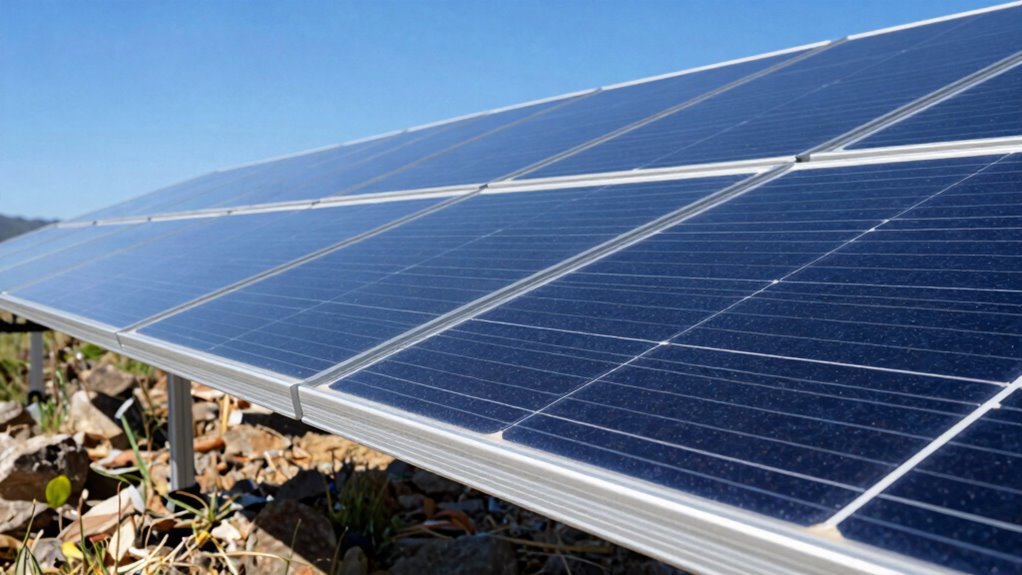

Rigid solar panels are built with tempered glass and sturdy frames, making them highly resistant to weather, wind, and hail, ideal for long-term installations. Folding panels are lighter and portable, perfect for quick setups but more vulnerable to scratches, cracks, and harsh weather, requiring careful handling. If you want durability against the elements or portability on the go, understanding these differences will help you choose. Explore further to see how each type truly stands up over time.

Get garden gear delivered free with Prime
- Fast, free delivery on millions of items
- Prime Video, Amazon Music and more included
- Member-only deals all year
Key Takeaways
- Rigid panels offer superior resistance to wind, hail, and harsh weather when properly installed, ensuring long-term durability.
- Folding panels are more vulnerable to environmental damage due to flexible materials and lightweight design.
- Rigid panels maintain performance over time with minimal maintenance, while folding panels require careful handling to prevent damage.
- Proper installation is critical for rigid panels’ durability; folding panels need gentle transport and storage care.
- Long-term durability favors rigid panels for permanent setups, whereas folding panels suit temporary or mobile applications.
When choosing between rigid and folding solar panels, understanding their differences can profoundly impact your decision. Durability isn’t just about how long a panel lasts; it also involves how well it performs over time and how easy it is to install. Rigid panels are typically made from solid, durable materials like tempered glass and aluminum frames, giving them a reputation for longevity and stability. They tend to have higher solar panel efficiency because their solid construction minimizes energy loss due to air gaps or flexible components. However, their installation challenges are more significant. Rigid panels are heavy and require a sturdy mounting surface, often demanding professional installation to ensure proper alignment and secure attachment. If your setup involves uneven terrain or mobile applications, these challenges can become even more pronounced.
On the other hand, folding solar panels are designed for portability and ease of setup. Made with flexible materials or foldable frames, they’re ideal for situations where mobility is key, such as camping trips, RVs, or emergency backups. While they might not match the solar panel efficiency of rigid models—since flexible materials can sometimes result in slightly lower energy conversion—they excel in scenarios where quick deployment and transport are priorities. Their lightweight nature means you can carry and set them up with minimal effort, even without specialized tools. That said, their flexible or foldable components can be more susceptible to wear and tear over time, especially if exposed to harsh weather conditions or handled roughly. This can impact their overall durability, making them less suitable for permanent, long-term installations. Additionally, flexible materials often require careful handling to maintain their integrity and performance.
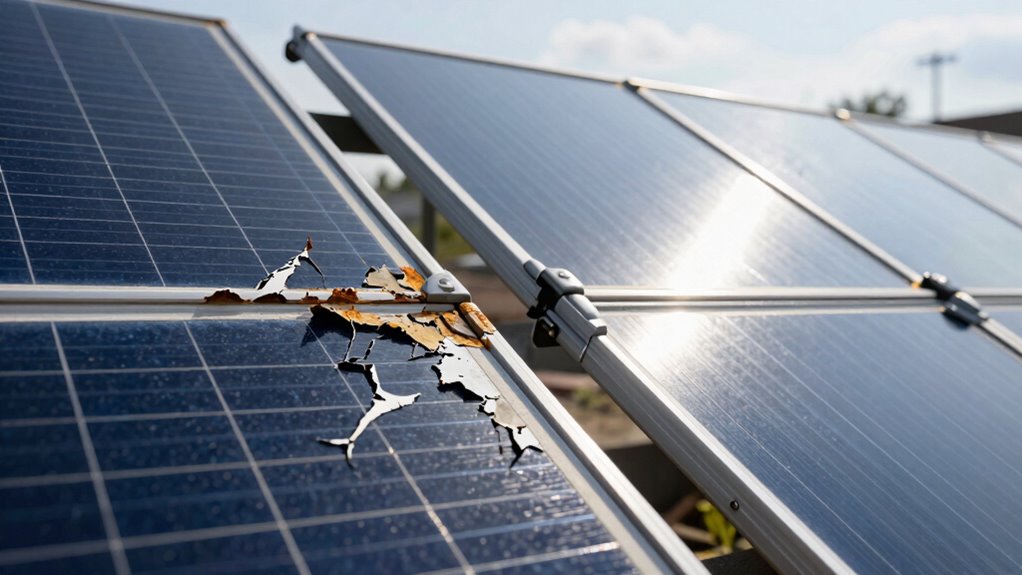
Durability, in the context of rigid versus folding panels, also involves how each handles environmental stresses. Rigid panels are usually more resistant to wind, hail, and extreme weather, provided they’re professionally installed and properly maintained. Folding panels, while convenient, may require extra care to avoid damage during transport or storage, and their flexible surfaces can be more vulnerable to scratches or cracks. When considering long-term durability, you should weigh the benefits of the sturdy, weather-resistant build of rigid panels against the portability and convenience of folding options. Your specific needs—whether you prioritize maximum efficiency and stability or ease of use and flexibility—will guide your choice. Ultimately, understanding these differences helps you select a solar panel that aligns with your environment, energy goals, and lifestyle.
rigid solar panels for long-term installation
As an affiliate, we earn on qualifying purchases.
As an affiliate, we earn on qualifying purchases.
Frequently Asked Questions
How Do Installation Costs Compare Between Rigid and Folding Panels?
You’ll find that installation costs are generally lower for rigid panels because they’re straightforward to install on fixed mounts, reducing complexity and labor. Folding panels tend to have higher installation costs due to their portability and additional hardware requirements, which increase installation complexity. The cost comparison depends on your setup, but rigid panels usually save you money upfront on installation, while folding panels might cost more initially but offer portability benefits.
Are Folding Panels Suitable for Permanent Outdoor Installation?
Folding panels are not ideal for permanent outdoor installation because they can’t withstand the relentless assault of weather like rigid panels do. Their durability comparison shows they’re more fragile and less weather-resistant, making them vulnerable to wind, rain, and snow over time. If you want long-term outdoor use, rigid panels are your best bet—they’re built tough enough to endure the elements and keep working reliably.
Which Panel Type Has a Longer Lifespan Overall?
Rigid solar panels generally have a longer lifespan because they’re made of durable materials like tempered glass and sturdy frames, which withstand harsh weather conditions better. Folding panels, while convenient and portable, often use lighter materials that may degrade faster over time. Thanks to technological advancements, rigid panels continue to improve in durability and efficiency, making them a more reliable choice for long-term outdoor use.
How Do Weight and Portability Affect Usage Options?
Weight and portability directly influence how you can use solar panels. Lighter, flexible materials make folding panels easy to carry and set up, perfect for outdoor adventures or emergencies. Rigid panels, although heavier, offer durability but may be less convenient to store or transport. Your choice depends on balancing material flexibility and storage convenience with your specific needs, whether for portability or long-term stability.
Can Folding Panels Be Integrated With Existing Solar Systems?
Think of folding panels like a smartphone that can still sync with your old landline—flexible integration is possible but not always seamless. You can incorporate folding panels with existing solar systems, but compatibility challenges might crop up, especially with older setups. You’ll need to check if your inverter and system are compatible or if adapters are required. Proper planning ensures your folding panels boost your system without a hitch.
portable folding solar panels for camping
As an affiliate, we earn on qualifying purchases.
As an affiliate, we earn on qualifying purchases.
Conclusion
No matter which type you choose, both rigid and folding solar panels offer reliable durability—just in different ways. If you’re worried about ease of transport, folding panels are lightweight and portable, making them perfect for adventures. On the other hand, rigid panels are built tough for long-term, stationary use. So, don’t let durability concerns hold you back—pick the one that best suits your lifestyle, and enjoy clean, renewable energy without stress.
As an affiliate, we earn on qualifying purchases.
flexible portable solar panel kit
As an affiliate, we earn on qualifying purchases.
As an affiliate, we earn on qualifying purchases.
Fall Picks
fall essentials
As an affiliate, we earn on qualifying purchases.