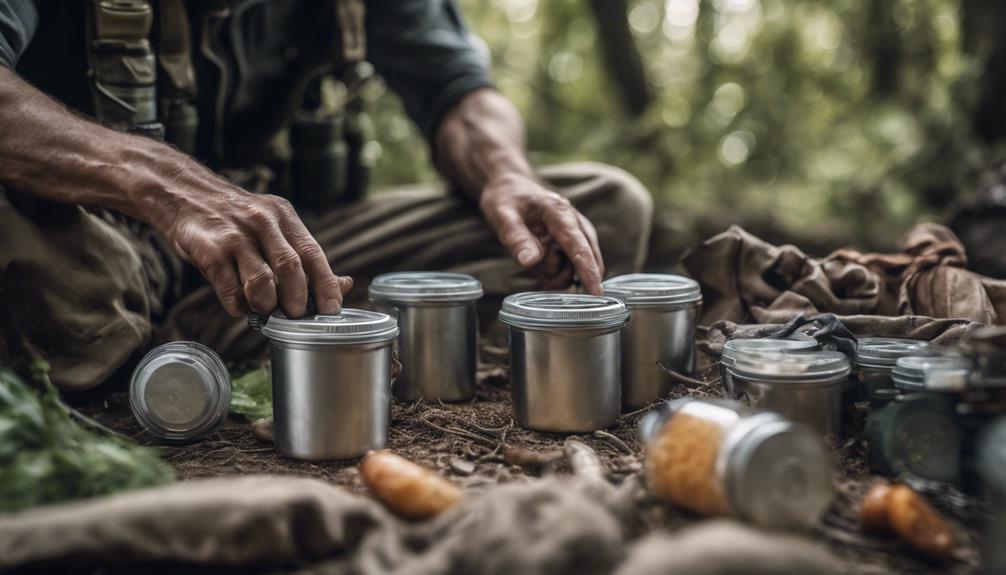

In survival situations, relying on multiple backup options is smarter than aiming for a perfect, single solution. Having layered shelter choices, varied food preservation methods, and backup plans makes you more adaptable and reduces the risk of total failure. Redundancy helps you handle unexpected challenges and bounce back quickly. By focusing on multiple options, you build resilience and confidence. To discover how to create a foolproof setup, keep exploring how redundancy outshines perfection in survival planning.

Get garden gear delivered free with Prime
- Fast, free delivery on millions of items
- Prime Video, Amazon Music and more included
- Member-only deals all year
Key Takeaways
- Redundancy provides multiple backup options, reducing the risk of total failure if one method or resource fails.
- Focusing on layered systems increases adaptability and resilience against unpredictable challenges.
- Diverse strategies in shelter, food preservation, and resources ensure survival despite setbacks.
- Prioritizing redundancy over perfection allows for better handling of unforeseen circumstances.
- A resilient setup with multiple options enhances confidence, endurance, and long-term survival chances.
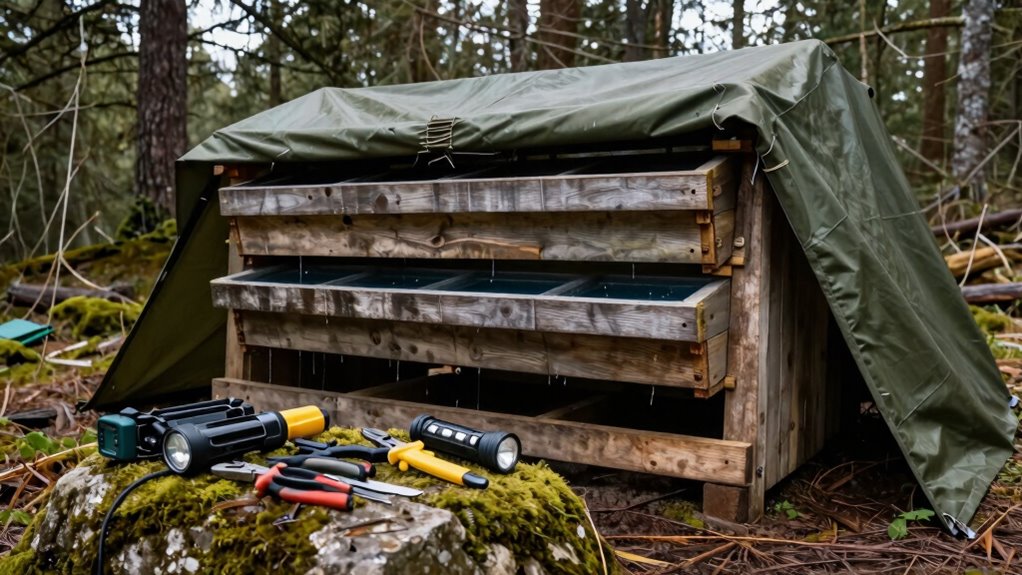
In survival situations, aiming for perfection can sometimes hinder your chances of success, whereas redundancy often proves more reliable. When your goal is to stay alive and safe, having backup plans and multiple options outweighs the need for a perfect solution. Relying on a single emergency shelter or a flawless food preservation method can leave you vulnerable if that plan fails. Instead, preparing multiple layers of protection and storage ensures you’re better equipped to handle unexpected challenges.
An emergency shelter isn’t just about building the most comfortable or aesthetically pleasing structure; it’s about creating a dependable refuge that can withstand various conditions. You want to have more than one shelter option if possible—perhaps a sturdy tent, a natural shelter like a cave, or even a makeshift lean-to. If one shelter becomes unusable due to weather or damage, another can quickly take its place. This redundancy means you aren’t caught without protection, which is vital when your survival depends on staying dry, warm, and safe from the elements. Incorporating diversification strategies into your shelter plans can further enhance your resilience. Additionally, understanding multiple shelter types can help you adapt to different environments more effectively.
Food preservation is another area where perfection can be a trap. You might obsess over finding the perfect way to store food, but the reality is that multiple preservation methods increase your chances of success. Canning, drying, smoking, and fermenting are all techniques that can be combined or used separately to extend your food’s lifespan. If one method fails—say, a jar breaks or mold develops—you still have other preserved supplies to rely on. Relying solely on fresh foraged food isn’t sustainable in the long run, so diversifying your preservation methods ensures you always have a backup when emergencies strike. Additionally, understanding biodiversity can help identify a wider range of edible plants and natural resources, increasing your resilience.
The key takeaway is that your survival setup should always prioritize redundancy. It’s better to have several weaker options than one perfect but fragile solution. You might build a primary shelter and keep a lightweight emergency shelter as a backup. You could stockpile food using various preservation techniques, so if one method fails, others remain intact. This layered approach minimizes risks and maximizes your ability to adapt. Redundancy isn’t about wasting resources; it’s about smart planning. When you accept that no single solution is foolproof, you create a resilient survival plan that stands up to setbacks and surprises. Ultimately, this mindset makes you more prepared, confident, and capable of enduring the unpredictable nature of survival situations.
As an affiliate, we earn on qualifying purchases.
Frequently Asked Questions
How Do I Prioritize Items for Redundancy in My Survival Kit?
You should prioritize items based on essential item selection, focusing on tools and supplies vital for survival, like water, food, and shelter. Incorporate backup strategies by choosing redundant versions of these items—extra water bottles, multi-tools, or fire starters—so you’re prepared if one fails. Planning your backup strategy guarantees you’re not caught off guard, making your survival kit more reliable and adaptable in emergencies.
What Are Common Mistakes When Implementing Redundancy?
Imagine relying on two different water filters, but one isn’t compatible with your bottle. That’s a common mistake—ignoring gear compatibility. When implementing redundancy, you might overlook cost considerations, leading to overspending on duplicate gear that doesn’t fit your needs. Always test compatibility first, and balance cost with practicality. Avoid these mistakes, and your backup systems will be reliable, saving you in critical moments.
How Much Additional Weight Does Redundancy Add to Survival Gear?
Redundancy adds about 10-30% extra weight to your survival gear, depending on how much gear diversity you include. You might carry duplicate tools, extra batteries, or backup supplies, which increases overall weight. To manage this, focus on weight management by selecting versatile, lightweight items that serve multiple purposes. Balance redundancy with mobility, ensuring your setup isn’t so heavy that it hampers your ability to move quickly and efficiently in survival situations.
Can Redundancy Compromise Mobility in Survival Situations?
You might think redundancy hampers mobility, but it’s a trade-off worth making. While adding extra gear can weigh you down, sacrificing redundancy for agility can leave you vulnerable. In survival situations, prioritizing redundancy over perfect agility ensures you’re prepared for unexpected failures. It’s a balancing act—embrace the mobility trade-offs, but remember, having backups keeps you in the game when things go sideways.
How Often Should Redundancy Measures Be Tested or Updated?
You should test and update your redundancy measures regularly, ideally every few months, to guarantee emergency communication systems and shelter construction remain reliable. Frequent checks help identify vulnerabilities, so you can fix issues before an emergency occurs. Incorporate drills to practice redundancy, and review your plans periodically to adapt to changing conditions. Consistent testing guarantees your survival setup stays effective, keeping you prepared with dependable backup options for communication and shelter.
As an affiliate, we earn on qualifying purchases.
Conclusion
So, when you’re preparing for survival, why chase perfection that might never come? Embracing redundancy means you’re ready for anything, even when plans go awry. It’s about having backups, not just one shot at success. Don’t let the fear of imperfection hold you back—because in the end, isn’t survival about adapting and staying resilient? Remember, it’s better to be overprepared than underprepared when it truly counts.
As an affiliate, we earn on qualifying purchases.
As an affiliate, we earn on qualifying purchases.
Halloween Picks
halloween
As an affiliate, we earn on qualifying purchases.