TL;DR

Get garden gear delivered free with Prime
- Fast, free delivery on millions of items
- Prime Video, Amazon Music and more included
- Member-only deals all year
A Homes & Gardens report identifies seven plants that may benefit from selective November pruning, including hellebores, delphiniums, bee balm, raspberries and asparagus. Timing depends on frost, plant health, raspberry type and local climate; the report advises leaving healthy stems and most spring-flowering shrubs alone.
A Homes & Gardens report recommends selective November pruning for seven garden plants, including hellebore, delphinium, bee balm, raspberry and asparagus, to remove spent or diseased growth before winter. The advice is conditional: gardeners should wait for frost or dormancy where appropriate, retain healthy stems that provide winter habitat, and avoid pruning plants that flower on old wood.
The report’s central guidance is to prune for a specific reason rather than cut back everything at the end of the growing season. Removing diseased foliage, spent canes or frost-killed stems can tidy beds and reduce material that may carry disease or shelter pests. But sound seed heads and sturdy stems can provide food or shelter for wildlife and help protect plant crowns through winter.
For hellebore, the report suggests removing old, damaged leaves near their stalk bases while taking care not to cut emerging flower buds. Delphinium foliage and flower stalks should be cut back only after frost has blackened them; plants that remain green should be left alone. Bee balm needs a similarly targeted approach: remove and dispose of visibly mildewed material, but consider leaving healthy stems standing until spring.
The recommendations also cover raspberries, asparagus, angel’s trumpet and other plants. Raspberry pruning depends on whether canes bear fruit in summer or fall: spent second-year canes can be removed from summer-bearing varieties, while fall-bearing types can be cut to the ground for one large fall crop or selectively retained for some summer fruit. Asparagus fronds should be cut after they have fully yellowed, particularly where beetles or disease have been a problem. The report also advises trimming tender angel’s trumpet before bringing it indoors; its supplied material gives less detail on that task than on the other plants.
Pruning Without Losing Winter Habitat
The recommendations matter because November pruning can affect both plant health and next season’s growth. Cutting at the wrong time may remove buds, living foliage or canes needed for flowers and fruit. Waiting for visible dormancy or frost helps distinguish growth that has finished for the year from tissue that is still active.
The report also draws a line between necessary cleanup and routine cutting. Removing diseased bee balm or pest-affected asparagus foliage can reduce the amount of infected or pest-harboring debris left in a bed. By contrast, healthy stems can support insects and birds, and some plant tops help shelter crowns. Gardeners therefore need to weigh sanitation against the habitat and protection that standing growth can provide.
For readers planning a late-fall cleanup, the practical takeaway is to identify the plant and its flowering or fruiting habit before reaching for pruners. The same month does not mean the same treatment for every shrub or perennial.
Popular right now

Breville BES870XL Barista Express Espresso Machine, Brushed Stainless Steel

Ninja CM401 Specialty Coffee Maker with 10-Cup Carafe and Fold-Away Frother

Dyson V15 Detect Cordless Vacuum
As an affiliate, we earn on qualifying purchases.
Why Timing Differs by Plant
The report treats November as a useful window rather than a fixed deadline. Its advice varies with frost, dormancy, regional climate and plant condition. In mild areas, hellebores may already be producing new growth, so old leaves need to be distinguished from flower buds. Delphiniums, meanwhile, should not be cut while their foliage remains green.
Climate zones also affect the timing. The report says gardeners in colder regions may wait until spring to thin live raspberry canes, allowing winter damage to become visible first. For asparagus, the signal is the foliage itself: wait until fronds have turned fully yellow or brown before cutting. These distinctions explain why the list is best read as plant-specific guidance, not an instruction to prune every listed plant on a particular date.
The report also advises leaving spring-flowering shrubs and most hydrangeas alone in November. Pruning them at this point may remove growth needed for flowering, and in colder USDA zones it may be safer to wait until spring. No specific cultivar-by-cultivar hydrangea schedule is provided.
Local Conditions Set the Schedule
The recommendations are general gardening guidance, not a site-specific assessment. Exact timing depends on local weather, the plant’s condition and, for raspberries, the variety. The report does not provide a location-specific forecast or identify which cultivars a reader has, so it cannot establish whether a particular plant is dormant or safe to cut back.
The supplied report also names seven plants, but the source material provided here ends during its asparagus section and does not include the complete remaining entries or detailed instructions for all seven. Its headline refers to better-looking shrubs and more flowers in 2027, but that outcome is not guaranteed; the material does not quantify results or provide trial data. The guidance supports selective seasonal maintenance, not a promise of increased flowering.
Check Plants Before Each Cut
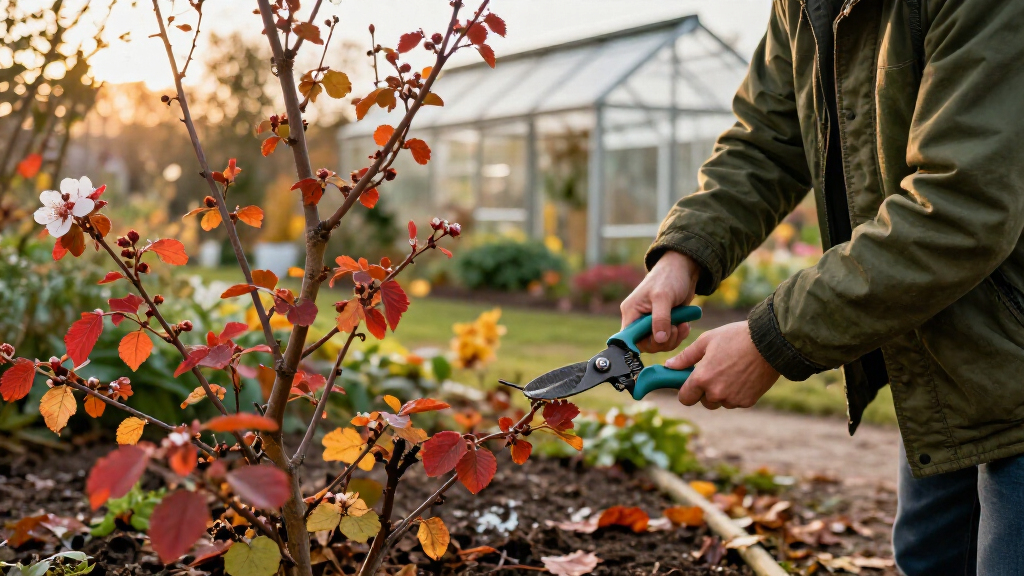
Before pruning, gardeners should check whether foliage is still green, look for frost damage or visible disease, and confirm the raspberry fruiting type. Use clean, sharp pruning tools, avoid cutting into crowns, and remove visibly diseased material rather than leaving it in the bed. The report advises wearing gloves when handling hellebores because their sap can irritate skin.
For plants that are still healthy or have not gone dormant, the next step may be to wait rather than prune in November. Gardeners should leave most spring-flowering shrubs and hydrangeas untouched until a suitable pruning time for their plant and climate. The source provides no later update or specific date for the next seasonal recommendations.
Key Questions
Which plants does the report recommend pruning or cleaning up in November?
The report names hellebores, delphiniums, bee balm, raspberries, asparagus and angel’s trumpet, along with another plant in the headline list whose detailed entry is not included in the supplied material. The advice differs by plant and is not a blanket recommendation to cut everything back.
Should delphiniums be cut back before the first frost?
No. The report recommends waiting until frost has blackened the foliage and flower stalks. If the plant is still green, leave it standing until it has finished for the year.
Do all raspberry canes get cut to the ground?
No. Pruning depends on the variety and desired crop. Remove spent second-year canes from summer-bearing raspberries. Fall-bearing raspberries can be cut to the ground for one large fall crop next year, or selected canes can be retained for a smaller summer crop as well.
Should healthy bee balm stems be removed in November?
Not necessarily. The report says healthy stems can be left until spring to provide winter habitat. Cut back bee balm when it has died down and has visibly mildewed foliage, and dispose of infected debris rather than composting it.
Which plants should generally be left alone in November?
The report advises leaving spring-flowering shrubs and most hydrangeas unpruned in November. In colder USDA zones, waiting until spring may be safer, but the right timing can vary by plant and local conditions.
Source: homesandgardens.com