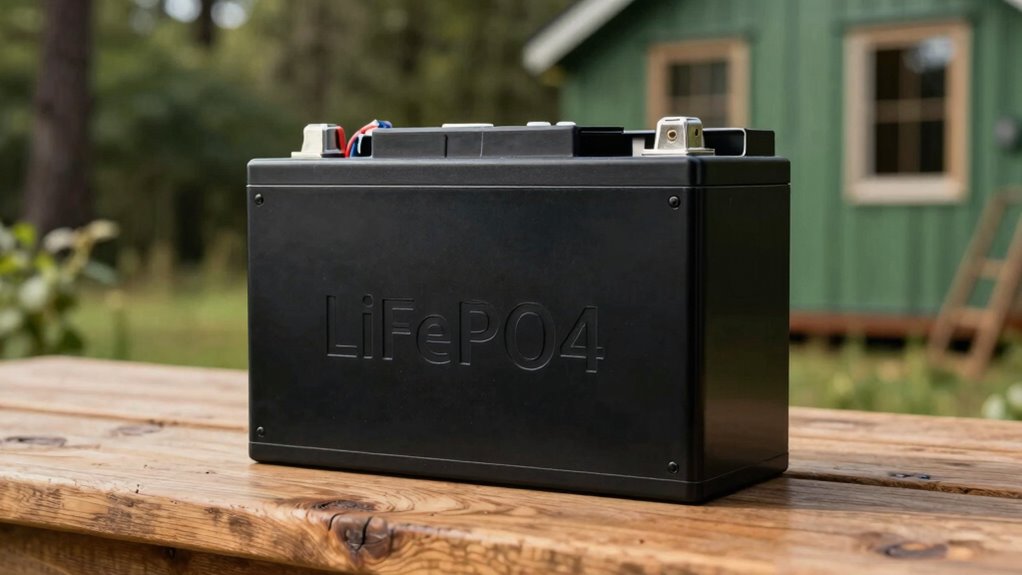

LiFePO4 batteries have become the off-grid favorite because they’re safer, more stable, and last longer than traditional lithium-ion options. Their phosphate chemistry makes them resistant to overheating and thermal runaway, reducing fire risks. They also handle more charge cycles—over 2000—ensuring reliable performance. Proper charging protocols and management systems keep them healthy. If you want to understand what makes these batteries ideal for off-grid use, keep exploring their unique features and benefits.

Get garden gear delivered free with Prime
- Fast, free delivery on millions of items
- Prime Video, Amazon Music and more included
- Member-only deals all year
Key Takeaways
- LiFePO4 batteries have a stable phosphate-based chemistry, making them safer and resistant to overheating or thermal runaway.
- They offer long cycle life, exceeding 2000 charge cycles, ideal for reliable off-grid energy storage.
- Proper charging protocols and BMS utilization ensure safe operation and longevity of these batteries.
- Their thermal stability and safety features reduce fire and explosion risks, enhancing off-grid system security.
- The combination of durability, safety, and efficient performance has made LiFePO4 the preferred choice for off-grid applications.
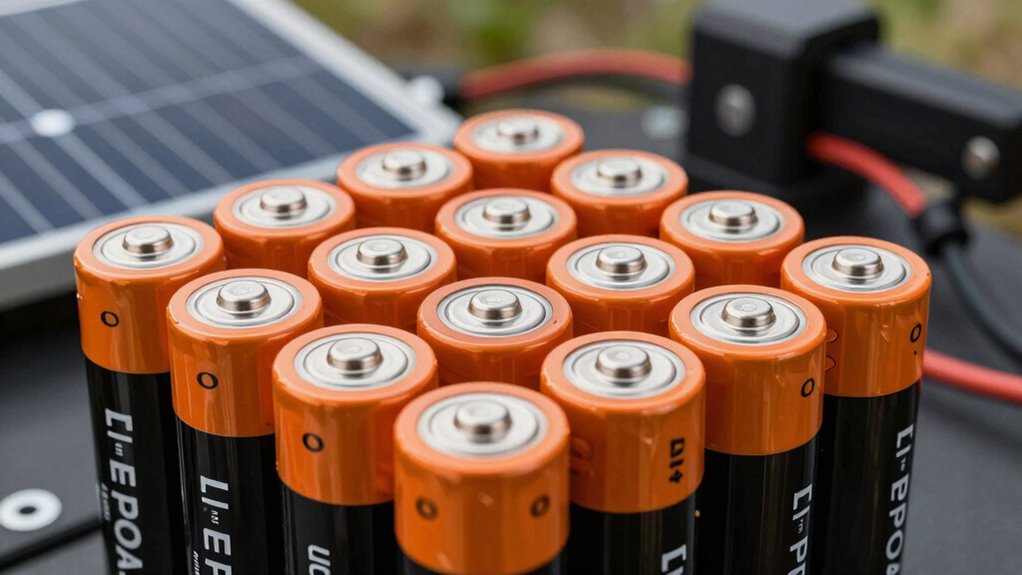
Have you ever wondered what makes LiFePO4 batteries stand out among other rechargeable options? The answer lies in their unique battery chemistry, which offers a combination of safety, longevity, and stability that’s hard to surpass. Unlike traditional lithium-ion batteries, LiFePO4 cells use a phosphate-based cathode, providing a more stable structure that resists overheating and thermal runaway. This chemistry makes them less prone to fires or explosions, giving you peace of mind when deploying them in off-grid or critical applications. Their stable chemistry also translates into a longer lifespan, often exceeding 2000 charge cycles, which means you get more value over time without frequent replacements. Additionally, understanding battery chemistry helps you appreciate why these cells are so resilient.
But it’s not just the chemistry that sets these batteries apart; it’s also how you handle their charging protocols. Proper charging is essential to maximize their performance and lifespan. LiFePO4 batteries require specific charging protocols that differ from other lithium-ion types. They need a precise voltage cutoff—usually around 14.6 volts per pack—and a controlled current during charging to prevent overvoltage or overheating. Unlike other batteries, they don’t tolerate being charged beyond their recommended voltage, which can damage the cells or shorten their lifespan. When you follow the correct charging protocols, you ensure that each cell within the pack remains balanced and healthy, leading to better performance and more consistent energy output.
Charging these batteries isn’t complicated, but it does require the right equipment. Using a charger designed specifically for LiFePO4 chemistry guarantees that the voltage and current stay within safe limits. Many off-grid setups incorporate chargers with built-in battery management systems (BMS) that monitor each cell’s voltage and temperature, preventing overcharging or deep discharges. This careful management not only prolongs the battery’s life but also maintains ideal performance, especially in demanding environments where reliability is critical.
Furthermore, understanding the importance of correct charging protocols helps you avoid common pitfalls like undercharging or overcharging, both of which can reduce capacity and shorten the battery’s overall lifespan. With LiFePO4 packs, adherence to recommended charging voltages and currents isn’t just a best practice—it’s essential. This disciplined approach ensures your batteries remain safe, efficient, and durable over many years of off-grid use. So, when you choose LiFePO4 batteries, you’re not only opting for a safer, longer-lasting option but also committing to a charging process that preserves their unique chemistry and guarantees reliable performance whenever you need it.
LiFePO4 battery charger for off-grid systems
As an affiliate, we earn on qualifying purchases.
As an affiliate, we earn on qualifying purchases.
Frequently Asked Questions
How Long Do Lifepo4 Batteries Typically Last?
LiFePO4 batteries typically last around 2,000 to 5,000 cycles, which translates to 8 to 15 years with proper maintenance. You should regularly check for maintenance needs like balancing cells and keeping the battery at ideal temperatures. Unlike other types, these batteries are durable and maintain their capacity longer, making them a reliable off-grid power source. Proper care ensures you get the maximum lifespan from your LiFePO4 pack.
Are Lifepo4 Batteries Environmentally Friendly?
Think of a battery that’s both powerful and gentle on the environment. You’ll find LiFePO4 batteries are eco-friendly, crafted with eco-friendly materials that reduce harm. Unlike other batteries, they’re easier to recycle, making the disposal process less damaging. This combination means you get reliable energy while minimizing your ecological footprint, helping preserve the planet’s natural beauty for future generations.
What Is the Optimal Temperature Range for Lifepo4 Use?
You should keep your LiFePO4 batteries within an ideal temperature range of 0°C to 45°C to guarantee thermal stability. Operating outside this range can reduce performance and lifespan. Good temperature management involves avoiding extreme cold or heat, which can cause capacity loss or damage. By maintaining proper temperature conditions, you help your batteries stay efficient and prolong their durability, making them suitable for off-grid use.
Can Lifepo4 Batteries Be Recycled Easily?
Imagine gently peeling away a colorful wrapper—yes, LiFePO4 batteries can be recycled, but the process isn’t as simple as tossing them in the bin. You need specialized battery recycling facilities to safely handle the materials, reducing environmental impact. Proper recycling guarantees valuable components are recovered, helping to protect our planet. While it’s possible, you’ll want to seek out eco-conscious programs to make sure your batteries get the right kind of care.
How Do Lifepo4 Batteries Compare in Cost to Other Types?
You’ll find LiFePO4 batteries are generally more expensive upfront than lead-acid or other lithium-ion options, but their durability and longer lifespan make them a smarter investment. The cost comparison reveals higher initial costs, yet their affordability analysis shows savings over time due to less maintenance and replacement. If you’re seeking reliable, long-term off-grid power, the investment in LiFePO4 batteries pays off through their efficiency and longevity.
LiFePO4 battery management system (BMS)
As an affiliate, we earn on qualifying purchases.
As an affiliate, we earn on qualifying purchases.
Conclusion
As you explore off-grid power options, it’s no surprise LiFePO4 batteries have become a top choice. Their reliability often seems like fate—pairing perfectly with your energy needs just when you need them most. Imagine a quiet sunset, knowing your battery pack quietly supports your life, almost as if it was meant to be. With their durability and efficiency, it feels like the universe conspired to give you the ideal energy solution for your adventures.
12V LiFePO4 deep cycle battery pack
As an affiliate, we earn on qualifying purchases.
As an affiliate, we earn on qualifying purchases.
solar compatible LiFePO4 batteries
As an affiliate, we earn on qualifying purchases.
As an affiliate, we earn on qualifying purchases.
Halloween Picks
halloween
As an affiliate, we earn on qualifying purchases.