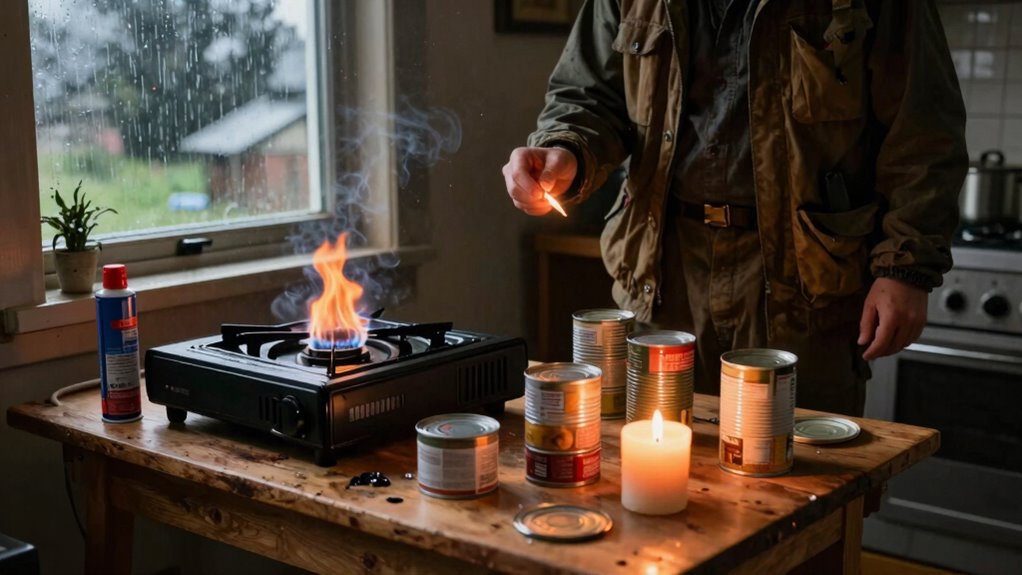
If you’re choosing emergency cooking options, solar ovens are the safest and easiest because they don’t involve fuel, flames, or toxic fumes, but they rely on sunlight and take longer. Portable stoves are quicker and more versatile, yet they carry risks like spills, carbon monoxide, and fire hazards. Balancing simplicity and safety depends on your situation and environment. To explore which option suits you best and learn helpful safety tips, keep exploring the details ahead.

Get garden gear delivered free — and shop member deals
- Fast, free delivery on millions of items
- Access to Prime Big Deal Days deals on October 6–7
- Prime Video, Amazon Music and more included
Key Takeaways
- Solar ovens are the safest and simplest, requiring only sunlight with minimal risks involved.
- Portable stoves offer quick cooking but involve handling fuels and potential fire hazards.
- Safety considerations increase with fuel-based stoves due to leaks, spills, and ventilation needs.
- Solar ovens depend on weather conditions, making them less reliable during cloudy or shaded days.
- Overall, solar ovens rank lower in risk but may be less convenient for urgent or short-notice cooking.
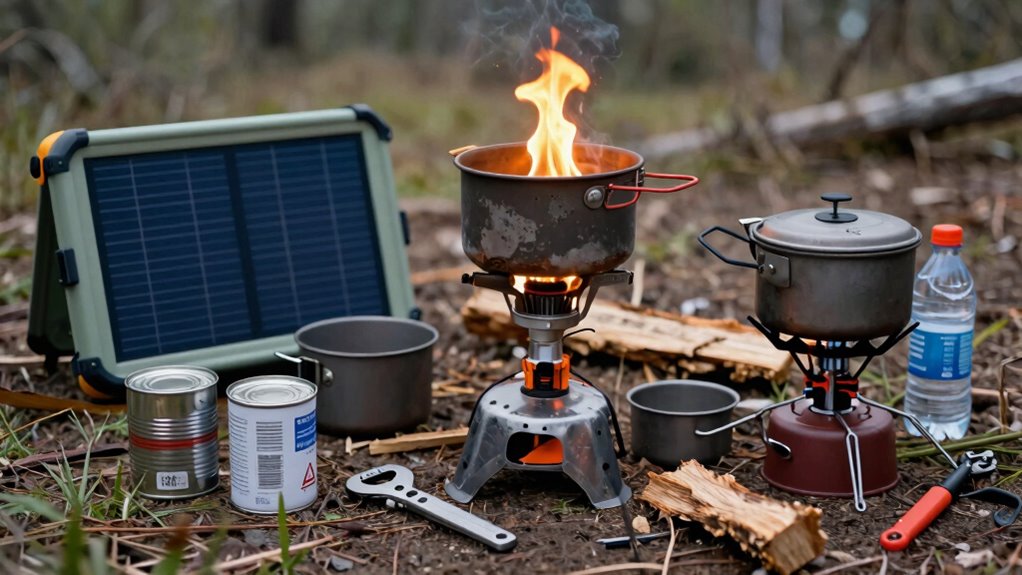
Have you ever wondered what to do when your usual cooking methods are unavailable? In an emergency, having reliable cooking options can make all the difference. You might consider portable stoves or solar ovens—two popular choices that vary in simplicity and risk. Portable stoves are compact, easy to set up, and widely accessible, making them a go-to solution for many. You simply place fuel in the stove, ignite it, and cook your food quickly. Their ease of use makes them a top choice for those seeking straightforward solutions, especially during power outages or when camping in remote areas. However, you need to handle fuel carefully and guarantee proper ventilation to prevent carbon monoxide buildup or accidental fires. These risks are manageable if you follow safety protocols, but they still require awareness and caution. Using the right safety measures can further reduce potential hazards associated with portable stoves. Additionally, proper storage and disposal of fuel are essential for safety and environmental protection. Understanding fuel safety and proper handling can significantly minimize risks when operating portable stoves.
Solar ovens, on the other hand, harness the sun’s energy to cook your food using reflective surfaces and insulated chambers. They’re incredibly safe since they don’t involve flames or fuel, reducing the risk of fires or toxic fumes. Using a solar oven is simple—you just set it in direct sunlight and wait. It’s an eco-friendly and silent option, perfect for sunny days and situations where you want to avoid hazards associated with fuel-based devices. The main drawback is weather dependency; on cloudy days or in shaded areas, solar ovens won’t perform well. They also take longer to cook food compared to portable stoves, which might be inconvenient if you’re in a hurry or have limited daylight. Still, for routine emergency preparedness, solar ovens are a low-risk, straightforward choice that minimizes danger and environmental impact. Since they require no fuel handling, solar ovens are especially suitable for those prioritizing safety and environmental considerations. When selecting an emergency cooking method, considering biodiversity and ecological impact can help align your preparedness with sustainable practices.
solar oven for emergency cooking
As an affiliate, we earn on qualifying purchases.
As an affiliate, we earn on qualifying purchases.
Frequently Asked Questions
What Safety Precautions Should I Take With Emergency Cooking Methods?
To guarantee cooking safety during emergencies, always follow emergency precautions like cooking in well-ventilated areas and keeping a fire extinguisher nearby. Use only approved emergency cooking methods, and never leave them unattended. Keep flammable materials away from heat sources, and make sure your equipment is in good condition. By prioritizing safety measures, you can prevent accidents and cook safely even in challenging situations.
How Long Can Emergency Food Supplies Last?
In the grand scheme, your emergency food supplies can last from a few days to several months, depending on storage conditions and food type. Proper food storage extends shelf life, while smart cooking techniques help conserve resources. Typically, canned and dried goods stay good for 1-5 years if stored properly. Regularly check expiration dates, rotate your stock, and keep your supplies in a cool, dark place to maximize longevity and guarantee preparedness.
Are There Any Legal Restrictions on Certain Emergency Cooking Devices?
Yes, there are legal restrictions on certain emergency cooking devices. You should check local device regulations because some devices, like open-flame stoves or propane heaters, may be prohibited indoors or in specific areas due to fire safety laws. Always review your local regulations before using or purchasing these devices. Staying compliant helps guarantee your safety and avoids potential fines or legal issues during emergencies.
How Do I Prevent Carbon Monoxide Poisoning When Using Portable Stoves?
To prevent carbon monoxide poisoning when using portable stoves, you’ve got to keep your wits about you. Always verify proper ventilation awareness by cooking outdoors or in well-ventilated spaces. Regular device maintenance is key—check for leaks or blockages before use. Never leave a stove unattended, and always have a carbon monoxide detector nearby. Play it safe, and you won’t be caught off guard—better safe than sorry.
What Are the Best Non-Perishable Ingredients for Emergency Cooking?
You should stock non-perishable ingredients like canned beans, rice, pasta, and dried fruits for emergency cooking. These foods are easy to prepare with simple methods like boiling or rehydrating, which align with basic canning techniques and food preservation principles. They last long and provide essential nutrients. Keep a variety of these items to guarantee balanced nutrition, and always check expiration dates for maximum safety and taste.
As an affiliate, we earn on qualifying purchases.
Conclusion
In emergencies, choosing simple, low-risk cooking methods keeps you safe while satisfying your hunger. For example, if power’s out, boiling water over a camp stove or using a solar oven can be reliable options. Imagine you’re stranded in a blackout; sticking to these straightforward techniques prevents accidents and guarantees you still get a warm meal. Prioritize safety and simplicity to stay prepared, confident, and well-nourished during unexpected situations.
As an affiliate, we earn on qualifying purchases.
As an affiliate, we earn on qualifying purchases.
Halloween Picks
halloween
As an affiliate, we earn on qualifying purchases.