
TL;DR

Get garden gear delivered free with Prime
- Fast, free delivery on millions of items
- Prime Video, Amazon Music and more included
- Member-only deals all year
Gardening Know How published advice on reusing seven household items to protect plants during a light, short-lived frost: cardboard, sheets, milk jugs, bubble wrap, newspaper, autumn leaves and paper tubes. The report says these methods have limits, need different handling, and are not a substitute for stronger protection during prolonged freezes.
Gardening Know How has published advice on using seven household discards to shield plants from light, short-lived fall frosts, offering gardeners options before buying dedicated covers. The guidance stresses that these materials can help through a cold night but are not reliable protection against a freeze lasting several days.
The report lists cardboard boxes, old bed sheets or pillowcases, plastic milk jugs, bubble wrap, newspaper, autumn leaves, and toilet-paper or paper-towel tubes. The first six can provide some combination of cover, insulation, or wind protection; paper tubes are chiefly useful as collars around seedlings and can offer only limited help against cold wind.
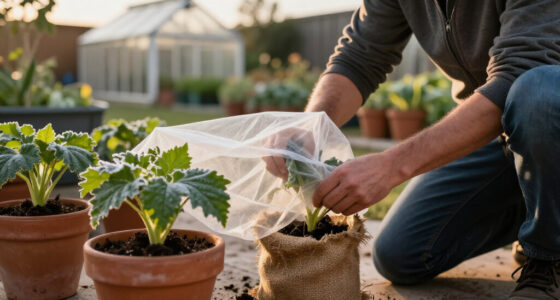
For plants above ground, the report recommends covering them loosely and keeping the edges close to the soil, while leaving enough room so the material does not press on stems. Floating row covers are another option for protecting plants from frost. It advises removing cardboard, sheets and newspaper in the morning after temperatures rise above freezing. These covers can block light or become wet, and wet paper loses insulating value.
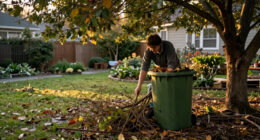
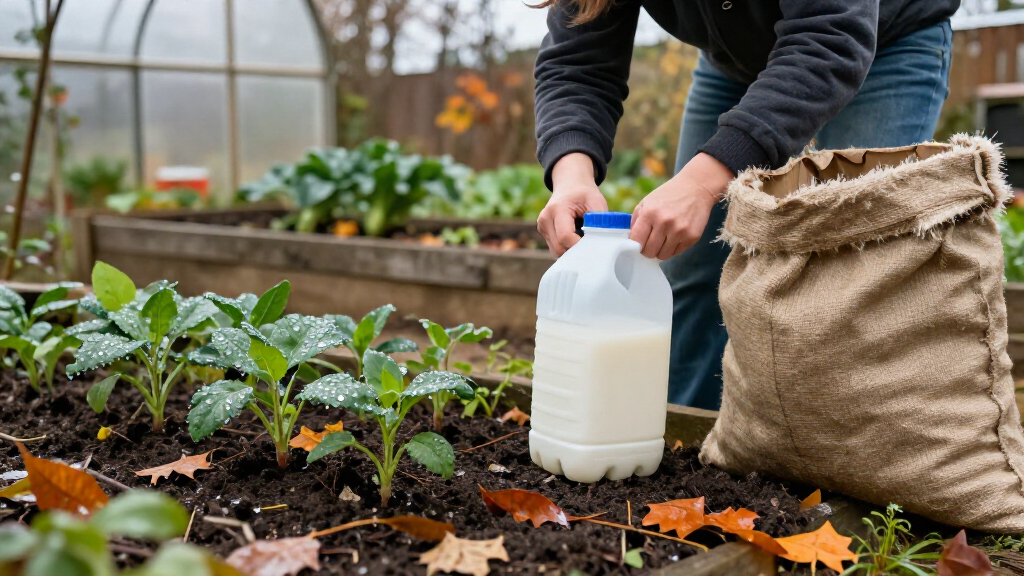
A cut-bottom milk jug can serve as a small cover for a seedling, but its cap should be removed on sunny days to let heat escape. Learn which plants are most vulnerable to early frost to prioritize protection. Plastic should not touch foliage: the report says it can transfer cold where it contacts leaves, so plastic sheeting should be kept on a frame or over fabric. Bubble wrap is suggested for wrapping the outside of patio pots, rather than plants. Shredded autumn leaves can insulate perennial crowns and roots after the soil cools in late fall, but do not protect foliage. For seasonal garden care, see which plants to prune in September.
Low-Cost Covers Have Limits
The recommendations give gardeners a way to use materials already at home to protect tender crops through a brief cold snap, potentially extending the harvest when an early frost is followed by milder weather. That distinction matters: a lightweight cover can help on a single cold night, but the report does not present household materials as a replacement for protection suited to prolonged or severe cold.
Correct placement and timing affect whether a cover helps. A box or sheet left on after morning temperatures rise can block light and hold heat or moisture around plants. Plastic touching leaves may expose them to cold contact, while a sealed milk jug in sunshine can heat up quickly. The advice is practical guidance from a gardening publication, not a guarantee that every plant will avoid frost damage.
Popular right now

KitchenAid Artisan Series 5-Quart Tilt-Head Stand Mixer, Dried Rose (KSM150PS)

Apple AirPods Pro 3 Wireless Earbuds with Active Noise Cancellation

Roborock F25 BX Cordless Wet Dry Vacuum Mop
As an affiliate, we earn on qualifying purchases.
How Covers Hold Nighttime Warmth
The report explains that on clear, calm nights, soil releases heat absorbed during the day, and some of that warmth escapes upward. A cover can catch part of it, particularly when it reaches the ground and sits loosely over the plant. Still air near the ground can be colder than a thermometer reading elsewhere in the garden, the report says, so conditions may vary within a yard.
Its advice is aimed at the first fall frosts, which may be followed by weeks of milder weather. For container plants, the article notes that roots are more exposed to cold through the pot wall than roots surrounded by in-ground soil; bubble wrap around the pot can slow heat loss. Autumn leaves are described as a later-season measure: wait until the soil has cooled before adding them around a perennial’s crown.
““They’ll carry plants through a light frost … but not a freeze that sits in for days.””
— Gardening Know How
Weather and Plant Risks Vary
The source does not specify a temperature threshold, duration, or plant-by-plant forecast for when each item will provide enough protection. Frost severity, wind, moisture and plant sensitivity can differ, so the report does not establish that any one method will prevent damage in every garden. It also does not provide test results comparing household covers with commercial frost cloth.
The article describes possible benefits rather than a measured guarantee. It does not quantify how much warmer a covered plant or wrapped pot may remain. Gardeners should check local forecasts and inspect plants in the morning; a light-frost method may not be adequate if freezing conditions persist.
Check Forecasts and Remove Covers
As fall temperatures drop, the report advises keeping reusable materials dry and ready for frost advisories. Before nightfall, gardeners can cover vulnerable plants, secure lightweight boxes or sheets against wind, and keep plastic away from foliage. In the morning, remove opaque covers once the air is above freezing, and open milk-jug caps on sunny days.
For a forecast calling for a prolonged freeze, the article’s household-item list does not offer a complete protection plan. Gardeners will need to judge conditions and plant needs rather than assume these temporary covers are sufficient.
Key Questions
Which household items does the report recommend saving?
It names cardboard boxes, old sheets and pillowcases, plastic milk jugs, bubble wrap, newspaper, autumn leaves, and paper tubes.
Can these items protect plants through a prolonged freeze?
The report says they may help with a light frost, but are not dependable for a freeze that lasts several days.
Should plastic cover plants directly?
No. The report warns that plastic touching leaves can transfer cold to them. Keep it on a frame or over a fabric layer, and use bubble wrap around the outside of pots.
When should frost covers come off?
Remove opaque covers such as cardboard, sheets and newspaper in the morning once temperatures rise above freezing. Open a milk jug’s cap on sunny days so heat can escape.
Do paper tubes prevent frost damage?
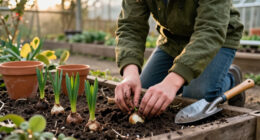
Not on their own, according to the report. Tubes can collar a seedling and help block cutworms at the soil line, but provide little frost protection; pair them with another cover on cold nights.
Source: gardeningknowhow.com