To strengthen community preparedness, you play a crucial role by participating in planning, sharing information, and attending regular meetups. These gatherings help clarify everyone’s roles, establish communication networks, and foster a sense of collective responsibility. By actively engaging with neighbors and local agencies, you contribute to building a resilient community capable of quick response and recovery. Keep exploring how consistent meetups and clear roles can make your community more prepared and confident during emergencies.
Key Takeaways
- Community meetups facilitate communication, share emergency information, and strengthen relationships among residents for better disaster response.
- Clearly defined roles during meetups help coordinate volunteers, leaders, and residents in executing emergency plans effectively.
- Regular meetups reinforce community awareness of risks, procedures, and available resources, ensuring readiness during crises.
- Meetups foster a collective sense of responsibility and build trust, which enhances community resilience and quick recovery.
- Engaging residents in planning and drills during meetups ensures plans remain current and effective for local disaster scenarios.
Have you ever wondered how ready your community is for emergencies? The truth is, emergency preparedness isn’t just about individual readiness; it relies heavily on coordinated efforts and effective communication. Disaster communication plays a critical role here, ensuring that everyone receives timely, accurate information during crises. When communities develop solid emergency planning, they create a framework that guides how residents respond, communicate, and recover. Without these elements in place, chaos can easily take over, making situations worse than they need to be.
Your community’s preparedness starts with understanding the importance of disaster communication. During an emergency, clear messaging can save lives by informing residents about evacuation routes, shelter locations, or safety procedures. This requires establishing reliable channels, such as local alerts, social media updates, or community radio broadcasts. These methods need to be tested regularly to ensure they work when needed, and everyone should know how to access them. If communication falters, confusion and panic can spread, hampering rescue efforts and leading to unnecessary risks. Additionally, incorporating high-tech solutions like smart IoT devices can enhance real‑time disaster response and monitoring.
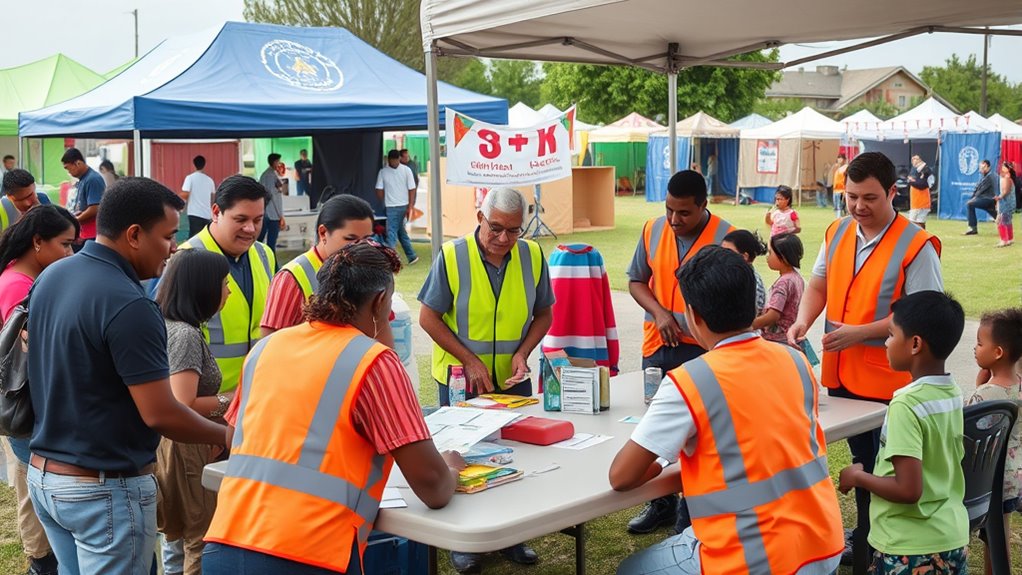
Emergency planning is equally crucial, providing a detailed blueprint for how your community responds to different types of disasters. It involves identifying risks specific to your area—whether floods, earthquakes, or storms—and creating procedures tailored to those threats. Effective planning includes coordinating with local agencies, volunteer groups, and residents, so everyone understands their roles. It also involves conducting drills and community meetups to reinforce this knowledge. When residents participate in these exercises, they become familiar with the plan, which boosts confidence and reduces panic during actual emergencies.
Community meetups serve as invaluable opportunities to strengthen these efforts. They bring neighbors together to discuss concerns, share information, and practice emergency procedures. These gatherings foster a sense of collective responsibility, making emergency planning a shared priority. During meetups, you can learn about local resources, establish communication networks, and even identify community leaders who can coordinate responses. Regular engagement ensures that plans stay current and relevant, and any gaps or weaknesses are addressed before disaster strikes.
Ultimately, community preparedness isn’t a one-time task; it’s an ongoing process that requires active participation from everyone. Building a culture of readiness involves establishing robust disaster communication systems, developing extensive emergency plans, and holding frequent meetups. When everyone understands their role and stays informed, your community becomes more resilient. You’re not just waiting for disaster to happen—you’re proactively creating a safer environment where residents can respond confidently and recover quickly. That’s the true power of preparation, and it’s something every community can achieve with commitment and cooperation.
Frequently Asked Questions
How Do I Start a Community Preparedness Group?
To start a community preparedness group, first, gauge interest by talking to neighbors and encouraging neighborhood communication. Host a meet-and-greet to discuss common concerns and goals. Use this event to identify volunteers and assign roles for volunteer coordination. Create a plan for regular meetings, share resources, and develop emergency response strategies. Building trust and open communication are key to creating a resilient, prepared community that can effectively respond to emergencies.
What Are Essential Supplies for Community Emergency Kits?
Think of your emergency kit as a lifeboat in a storm. You’ll need emergency food to keep your energy up and first aid supplies to treat injuries. Include bottled water, flashlights, batteries, a whistle, and hygiene items. Pack a manual can opener, masks, and warm clothing. These essentials help you stay safe, resilient, and ready to face unexpected challenges in any emergency.
How Often Should Community Meetups Be Held?
You should plan community meetups at least quarterly to guarantee ongoing communication and preparedness. Regular frequency planning helps keep everyone engaged and updated. Use diverse meetup formats like workshops, drills, and discussions to maintain interest and adapt to community needs. Consistent scheduling fosters stronger relationships, encourages collaboration, and keeps emergency plans fresh in everyone’s mind. By staying proactive with your meetup schedule, you build a resilient, well-prepared community ready to respond effectively.
Who Should Lead Community Safety Training Sessions?
You should have a community leader or a trained training facilitator lead safety training sessions. They bring the expertise and authority needed to effectively teach emergency procedures and safety protocols. Look for someone with experience in community safety or first aid, ensuring they can engage participants and answer questions confidently. Having a dedicated leader or facilitator helps build trust, keeps the training focused, and encourages active participation from everyone involved.
How Can Diverse Community Members Be Encouraged to Participate?
You can encourage diverse community members to participate by addressing cultural barriers and improving language accessibility. Start by investigating whether language differences deter involvement, then implement multilingual materials and interpreters. Use inclusive outreach methods, like community events and trusted local leaders, to foster trust. Show respect for cultural practices and guarantee everyone feels welcome. When people see their backgrounds valued, they’re more likely to get involved and contribute to safety training efforts.
Conclusion
By actively participating in community meetups and understanding your role, you can greatly boost local preparedness. Some might think their efforts won’t make a difference, but even small actions create a ripple effect. Remember, a prepared community is a resilient community. So, don’t wait for a crisis—get involved today. Your involvement not only strengthens bonds but also ensures everyone’s safety when it matters most. Together, you can make a real difference.