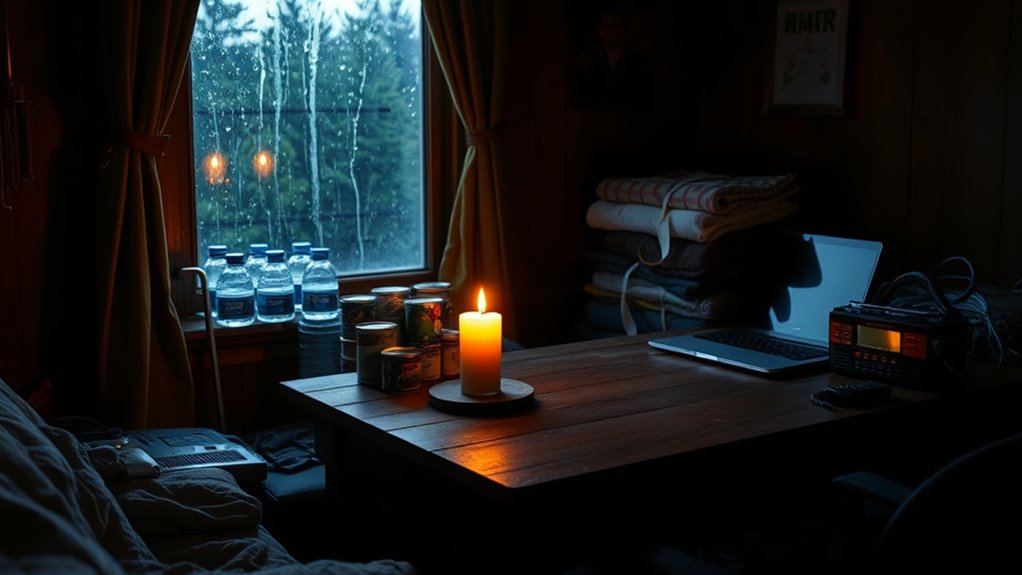

To stay safe indoors during a bug-in, you should prepare your home by fixing hazards, reinforcing windows, and designating a safe space with essentials like food, water, and medical supplies. Develop a communication plan, store important documents waterproofed, and practice drills with your family. Keep calm and organized, focusing on comfort and safety until conditions improve. If you keep going, you’ll find tips to help you create a thorough, effective plan for staying put securely.

Get garden gear delivered free with Prime
- Fast, free delivery on millions of items
- Prime Video, Amazon Music and more included
- Member-only deals all year
Key Takeaways
- Designate and prepare a safe, interior space with necessary supplies to minimize the need to leave during an emergency.
- Stockpile sufficient food, water, and essentials to support all household members for several days indoors.
- Develop a clear communication plan using multiple methods to stay connected with family and emergency contacts.
- Conduct regular drills to familiarize everyone with safety procedures and emergency supply access.
- Maintain a calm, organized mindset focused on safety, comfort, and effective use of resources during extended indoor stays.
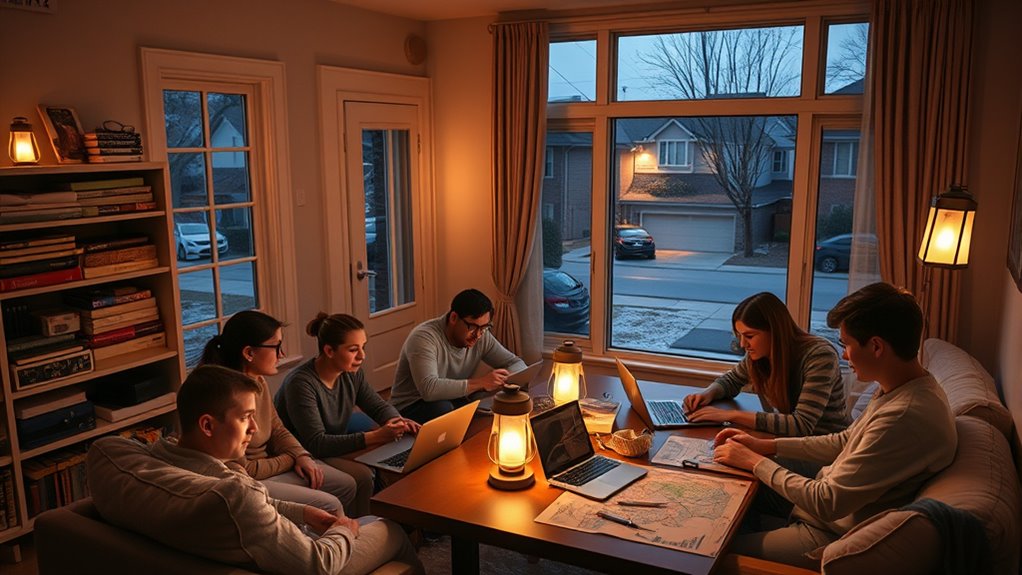
When a storm or disaster strikes unexpectedly, having a well-thought-out bug-in plan becomes crucial to keep you and your loved ones safe. Staying put might be the safest option when evacuation isn’t possible or recommended. To do this effectively, you need to focus on home safety and guarantee you have the right emergency supplies on hand. Preparing your home in advance gives you peace of mind and reduces panic during an emergency.
Start by securing your home’s safety. Identify potential hazards, like loose windows or unstable furniture, and fix them ahead of time. Reinforce windows and doors if necessary, especially if you anticipate severe weather. Create a designated safe space inside your home—preferably a small, interior room with no windows—where everyone can gather during a storm or disaster. Make sure this space is stocked with essentials so you don’t have to leave it once you’re inside. Incorporating nutrient-rich ingredients into your emergency supplies can support your health during extended stays indoors.
Secure your home by fixing hazards, reinforcing entry points, and designating a safe interior space stocked with essentials.
Your emergency supplies are the backbone of your bug-in plan. Stockpile enough food and water to last at least several days for everyone in your household. Don’t forget to include a manual can opener and non-perishable items like canned goods, dried fruits, and energy bars. Water is critical—aim for a gallon per person per day. Keep a well-stocked first aid kit nearby, along with any necessary medications. Flashlights, batteries, a battery-powered radio, and a basic tool kit are also must-haves. Consider adding personal hygiene items, blankets, and extra clothing to stay comfortable during an extended stay indoors.
Communication is key during a bug-in scenario. Have a plan for staying connected with loved ones outside your home, whether through cell phones, walkie-talkies, or emergency alert apps. Make sure your mobile devices are charged and consider investing in a portable charger or power bank. Keep important documents, such as IDs, insurance papers, and medical records, in a waterproof container for easy access if needed.
Practicing your bug-in plan regularly ensures everyone knows what to do and where to go. Conduct drills to familiarize your family with the safe space, emergency supplies, and communication procedures. This preparation minimizes confusion and helps everyone stay calm if disaster strikes. Remember, the goal is to stay safe and comfortable inside your home until it’s safe to go out again. By prioritizing home safety and maintaining well-stocked emergency supplies, you’re taking essential steps to protect yourself and your loved ones during any unexpected event.
Frequently Asked Questions
How Do I Communicate With Neighbors During an Emergency?
During an emergency, you should establish neighbor communication by sharing contact info beforehand and using simple emergency signaling methods like whistles, flashlights, or hand signals. If phone lines are down, knocking on doors or using radios can help. Stay calm, be clear, and listen carefully. Effective emergency signaling guarantees everyone stays informed and safe, so coordinate your plans now to make communication quick and reliable when it matters most.
What Supplies Are Essential for a Bug-In Shelter?
You need emergency food and medical supplies to stay safe in a bug-in shelter. Stock non-perishable items like canned goods, dry snacks, and bottled water for sustenance. Keep a well-stocked first aid kit with bandages, antiseptics, and any necessary medications. Also, include hygiene supplies, flashlight, batteries, and a radio. Regularly check and rotate your supplies to guarantee they remain fresh and ready for use during an emergency.
How Can I Make My Home More Disaster-Resistant?
To make your home more disaster-resistant, focus on enhancing home security and structural improvements. Reinforce doors and windows with sturdy materials, install storm shutters, and secure weak points. Consider adding bracing to your walls and roof to withstand strong winds or seismic activity. Regularly maintain your home’s foundation and roof. These steps help protect your family and property, ensuring your home remains safe during emergencies.
When Should I Decide to Leave Instead of Sheltering in Place?
Think of your decision like steering a boat through a storm. If evacuation timing and risk assessment show that staying in your home could become dangerous—like rising floodwaters—you should leave immediately. Don’t wait until conditions worsen or you’re forced to make a rushed exit. Trust your instincts, stay informed, and act early if data indicates that your safety is at risk, ensuring you avoid unnecessary danger.
How Do I Manage Mental Health During a Prolonged Stay Indoors?
To manage your mental health during a prolonged indoor stay, focus on mental health strategies like regular exercise, mindfulness, and staying connected with loved ones. Incorporate indoor activity ideas such as reading, cooking, or creative hobbies to keep your mind engaged. Establish a routine, set goals, and take breaks to reduce stress. Remember, maintaining a positive mindset and staying active indoors can markedly improve your well-being during extended periods inside.
Conclusion
Staying put safely isn’t just about weathering the storm; it’s about planting roots deep enough to weather any gale. When you prepare and adapt, you become the sturdy tree standing tall amid the wind, unshaken by the chaos around. Remember, sometimes the strongest act of courage is choosing to stay grounded, weathering the storm with patience and resilience. Embrace your sanctuary—your safe harbor—where stability becomes your guiding star through uncertain skies.
Fall Picks
fall essentials
As an affiliate, we earn on qualifying purchases.