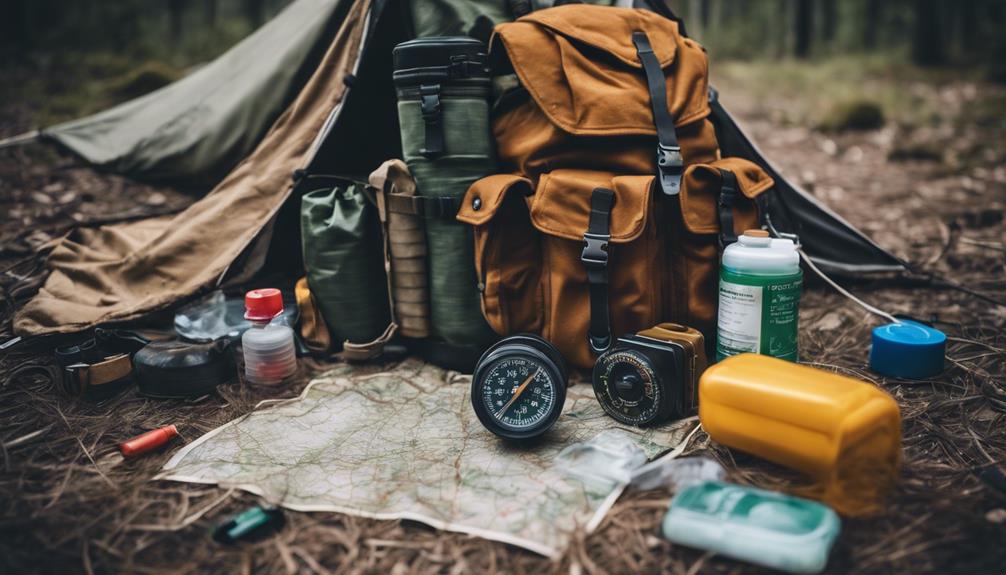

To effectively bug out, plan multiple reliable routes to your chosen safe locations, ensuring you have backup paths in case of blocked roads or hazards. Organize caches of essential supplies along or near these routes, so you’re ready to move quickly without delay. Clearly define your goals, such as reaching shelter or gathering loved ones, and practice your plan regularly. Keep exploring to discover how these steps can help you stay prepared and confident when it matters most.
Key Takeaways
- Identify multiple, accessible routes to your predetermined bug-out locations, practicing them regularly.
- Establish caches of supplies along routes and at shelter sites, ensuring quick access during emergencies.
- Set clear goals for bug-out scenarios, such as safety, communication, and reaching specific shelter locations.
- Use reliable backup communication methods like radios or satellite devices to stay informed and coordinated.
- Conduct regular drills to rehearse routes, communication plans, and shelter procedures, enhancing preparedness and confidence.

Have you ever considered what you’d do if disaster struck suddenly and your home became unsafe? It’s a question that can feel overwhelming, but planning ahead can make all the difference. One of the most critical aspects of bug-out planning is establishing reliable emergency communication. When chaos erupts, normal channels like cell phones or the internet might go down, so you need backup methods to stay connected. Consider investing in battery-powered radios, satellite phones, or emergency beacons that can operate independently of local networks. These tools allow you to receive essential updates, coordinate with others, and confirm that your loved ones are safe. Having a plan for emergency communication ensures you won’t be left in the dark, even when conventional systems fail.
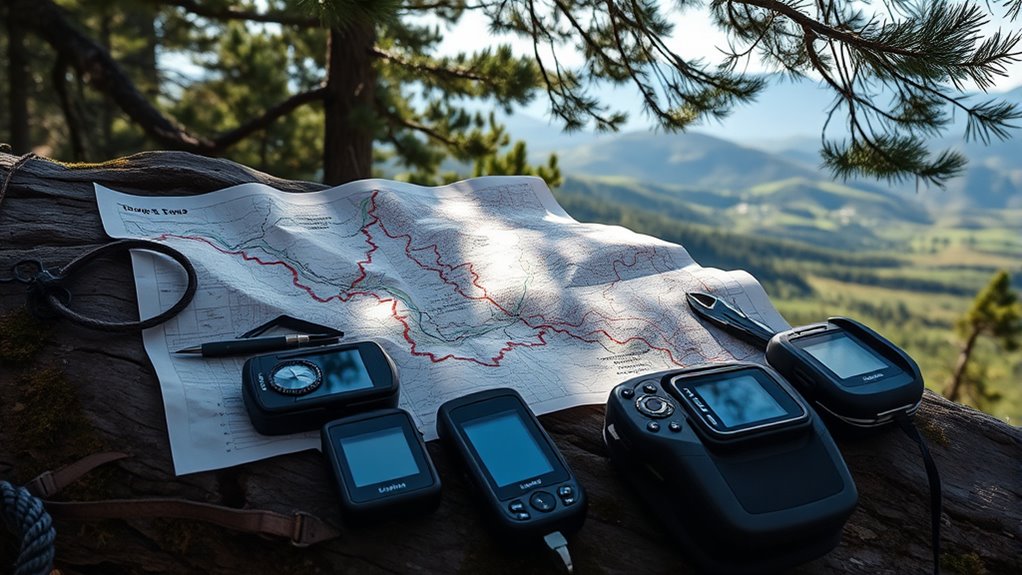
Along with communication, it’s imperative to identify alternative shelter options. Your primary goal is to reach a safe location quickly, so knowing where to go if your home becomes compromised is indispensable. This could mean having a predetermined bug-out spot, such as a friend’s property, a community shelter, or a remote cabin. Make sure these locations are accessible via multiple routes, so you can adapt if one path becomes blocked. Your alternative shelter options should be secure, stocked with supplies, and easily reachable under stress. Keep maps, GPS devices, and written directions handy, and regularly practice reaching these locations so the route becomes familiar. Planning for alternative shelter options not only provides safety but also peace of mind, knowing you have a backup plan no matter what’s happening around you.
Your bug-out plan isn’t complete without considering these communication and shelter strategies. Establishing emergency communication channels allows you to stay informed and connected, which is essential during crises. Meanwhile, having well-researched alternative shelter options ensures you can quickly and safely evacuate if necessary. Both elements require thoughtful planning and regular practice, so they become second nature when disaster strikes. Remember, the goal isn’t just to leave your home but to do so efficiently and confidently. With proper preparation, you can handle unexpected events with clarity and purpose, reducing panic and increasing your chances of staying safe. Additionally, understanding family photoshoot fails can serve as a reminder of how unpredictable situations can be, emphasizing the importance of preparedness. In the end, a solid bug-out plan that incorporates reliable emergency communication and versatile shelter options provides you with resilience, making you better prepared to face whatever challenges come your way.
Frequently Asked Questions
How Often Should I Review and Update My Bug-Out Plan?
You should review and update your bug-out plan at least every six months. Regular drill frequency helps identify gaps, so run drills quarterly to test your routes and caches. Stick to a consistent plan revision schedule, adjusting for new risks or changes in your environment. Staying proactive guarantees your plan remains effective, reliable, and ready when you need it most. Keep your plan current to maintain confidence in your emergency preparedness.
What Are the Best Tools for Navigation During an Emergency Escape?
Did you know that 85% of people get lost in emergencies? For guidance, GPS devices are reliable, offering real-time directions. However, always carry topographic maps as a backup since electronics can fail. Combining GPS with printed maps ensures you stay on course, even if technology drops out. Practice using both tools regularly, so you’re confident maneuvering safely during an emergency escape.
How Do I Choose the Safest Bug-Out Locations?
You should choose a safe location by conducting a thorough risk assessment of potential areas. Look for places with low population density, access to clean water, and natural shelter. Avoid locations near disaster-prone zones or high crime areas. Consider proximity to your route and the availability of resources. Prioritize places that offer security, sustainability, and quick access, ensuring you can reach them safely in an emergency.
What Should I Include in My Bug-Out Cache for Long-Term Survival?
Like a modern-day Robinson Crusoe, your bug-out cache should include emergency food and communication devices to guarantee long-term survival. Pack non-perishable supplies, water purifiers, and a first aid kit. Don’t forget solar chargers and backup batteries for your devices. These essentials help you stay nourished, connected, and informed, no matter how long you’re on the move. Be prepared to adapt, and your chances of thriving increase exponentially.
How Can I Coordinate With Others in a Bug-Out Scenario?
You can coordinate with others in a bug-out scenario by establishing clear communication strategies beforehand, like using radio channels or signal systems. Make sure everyone understands the group’s plan, routes, and rendezvous points. Regularly practice these coordination methods, so everyone stays informed and prepared. By maintaining open, reliable communication and emphasizing group coordination, you increase your chances of staying safe and working effectively as a team during an emergency.
Conclusion
Remember, a well-planned bug-out route and clear goals can make all the difference when seconds count. Keep your caches stocked and your routes practiced so you’re ready for anything. As the saying goes, “Failing to plan is planning to fail.” Stay prepared, stay flexible, and trust your plan. With careful planning, you’ll be ready to face any situation confidently and safely.