
Apartment survivalism is very real, and urban preparedness involves building strong neighborhood connections, knowing emergency exits, and having essential supplies ready. You should establish communication plans, use alternative methods like battery-powered radios, and keep a go-bag with water and meds. Understanding city-specific challenges and sharing safety tips with neighbors can boost everyone’s resilience. Staying proactive and connected makes you better prepared for crises—if you’re curious about developing your plan, there’s more to uncover.

Get garden gear delivered free with Prime
- Fast, free delivery on millions of items
- Prime Video, Amazon Music and more included
- Member-only deals all year
Key Takeaways
- Building strong neighbor relationships creates a supportive network for sharing resources and emergency information in urban settings.
- Establishing reliable communication plans and alternative channels ensures city residents stay informed during disruptions.
- Familiarity with building layouts, safety equipment, and evacuation routes enhances quick, coordinated responses during crises.
- Urban preparedness involves understanding city-specific challenges and utilizing tailored resources and response strategies.
- Proactive planning, including safety drills and community coordination, significantly improves resilience in apartment living during emergencies.
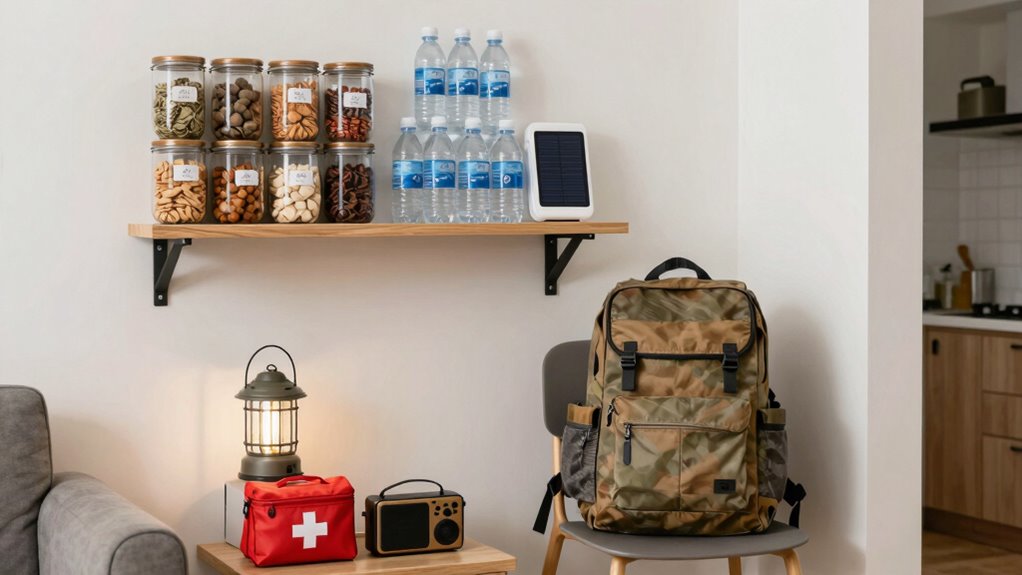
Living in an apartment doesn’t mean you’re powerless when it comes to emergency preparedness. In fact, your urban environment offers unique opportunities to strengthen community resilience, which is essential during crises. Building relationships with neighbors can turn your apartment building into a supportive network that quickly shares important information and resources when disaster strikes. Knowing who lives around you and establishing open lines of communication guarantees you’re not alone in an emergency. When everyone stays connected, it becomes easier to coordinate efforts, share supplies, and look out for one another. Community resilience isn’t just about individual preparedness—it’s about creating a collective safety net that can adapt and respond to unexpected events.
Living in an apartment offers unique opportunities to build a resilient, connected community during emergencies.
Your role in emergency communication is critical. In a city setting, traditional channels like internet or cell service may be disrupted, so having alternative methods to stay informed is necessary. Consider investing in a battery-powered or hand-crank radio to receive updates from local authorities. It’s also wise to have a printed list of emergency contacts, including local emergency services, building management, and trusted neighbors. Establishing a plan with your building’s residents ensures everyone knows how to communicate during a blackout or if mobile networks go down. The key is to be proactive, not reactive, so you’re prepared to relay or receive information quickly and accurately. Preparedness tools can further support these efforts by providing reliable, easy-to-use devices that function when traditional communication methods fail.
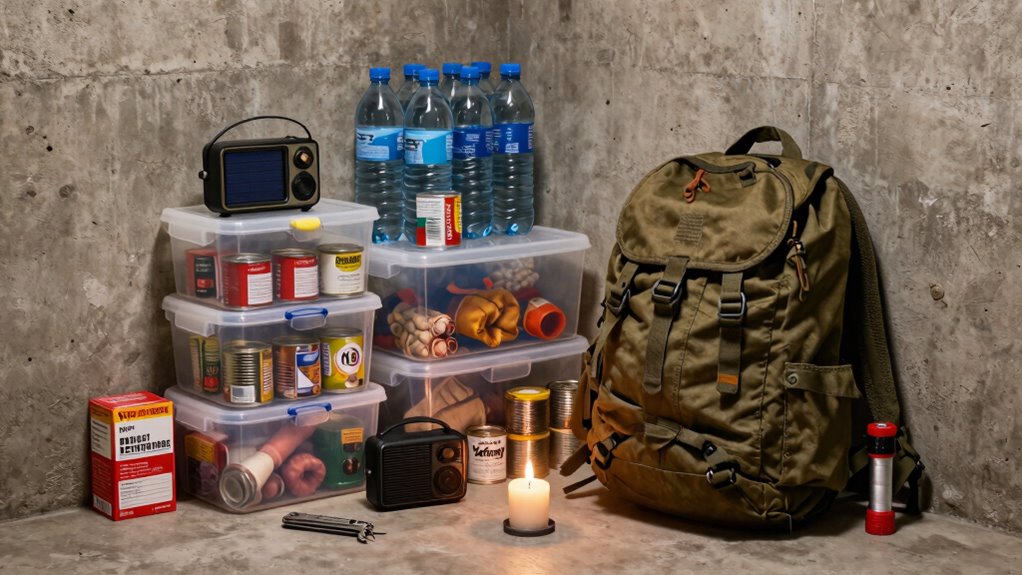
Another aspect of urban survivalism involves knowing your building’s layout and emergency procedures. Familiarize yourself with fire exits, evacuation routes, and the location of fire extinguishers or first aid kits. Keep a go-bag ready that contains essentials like water, non-perishable food, medications, and important documents. This way, when an emergency occurs, you can act swiftly without wasting precious time searching for supplies. Additionally, sharing these tips with your neighbors helps elevate everyone’s readiness, further strengthening community resilience. Developing a community emergency plan can significantly improve overall response efforts and reduce confusion during crises. Being aware of local resources and emergency response strategies can make a significant difference in how effectively your community copes with challenges. Moreover, understanding the importance of urban-specific preparedness allows residents to tailor their plans to the unique challenges of city living, such as high population density and limited space.
Frequently Asked Questions
How Do I Start Building an Urban Emergency Kit?
To start building an urban emergency kit, begin by gathering essentials like water, non-perishable food, first aid supplies, and a flashlight. Include items for urban farming, like small containers or seeds, to grow food if needed. Strengthen your community network by sharing resources and plans with neighbors. Regularly update your kit and stay informed about local emergency procedures, ensuring you’re prepared for various urban crises.
What Are the Best Hiding Spots in an Apartment?
Think outside the box and consider hidden storage or concealed compartments in your apartment. Underneath furniture, inside false drawers, or behind wall panels make excellent hiding spots. You can also use hollowed-out books or containers disguised as everyday items. These spots are like a needle in a haystack, giving you peace of mind that your essentials stay safe and out of sight from prying eyes.
How Can I Discreetly Store Supplies in Small Spaces?
To discreetly store supplies in small spaces, focus on hidden storage options that maximize space optimization. Use multi-functional furniture like ottomans or beds with built-in compartments, and hide items in plain sight—inside books, behind loose wall panels, or under stairs. Cleverly utilizing vertical space with wall-mounted shelves and storage bins keeps your supplies accessible yet discreet. This approach guarantees your essentials are secure without cluttering your living area.
What Communication Devices Are Best During a City Blackout?
When the city goes dark, you need reliable communication devices, so don’t put all your eggs in one basket. Emergency radios are essential—they pick up local broadcasts and weather alerts, keeping you in the loop. Satellite phones are a game-changer outside cell towers’ reach, ensuring you can contact loved ones or emergency services. Together, they form a sturdy safety net, helping you stay connected when it matters most.
How Do I Maintain Mental Health During a Prolonged Crisis?
During a prolonged crisis, prioritize your mental health by practicing stress management techniques like deep breathing, meditation, or journaling. Establish routines to create stability and focus on small, achievable goals to avoid feeling overwhelmed. Stay connected with loved ones through available communication devices, and limit exposure to distressing news. Remember, taking intentional breaks and maintaining physical health considerably boost your resilience, helping you stay mentally strong during tough times.
Conclusion
Living in an apartment doesn’t mean you’re unprepared. With over 60% of urban dwellers reporting they’re concerned about emergencies, it’s clear apartment survivalism is crucial. By stocking essentials, creating a plan, and staying informed, you can confidently face unexpected events. Remember, preparedness isn’t about fear — it’s about empowerment. So, take action today to turn your small space into a safe haven. Your future self will thank you when disaster strikes.
Fall yard work Picks
leaf blowers
As an affiliate, we earn on qualifying purchases.