To clean and care for your catch safely, start by rinsing the fish with cold water to remove dirt and slime. Use sharp tools to remove scales, guts, and gills carefully, handling the fish hygienically to prevent contamination. Store the cleaned fish in a cool environment, like a cooler with ice, to slow spoilage. Proper cleaning and handling are key to maintaining freshness and safety—continue to explore these steps for the best results.
Key Takeaways
- Rinse fish thoroughly with cold water immediately after catching to remove dirt, slime, and blood.
- Use sharp, dedicated tools like fillet knives and scissors for precise, hygienic cleaning.
- Remove scales, gills, and internal organs promptly to prevent bacterial growth and spoilage.
- Store cleaned fish in a cooler with ice or in a refrigerated environment to slow bacteria development.
- Handle fish carefully during cleaning and storage to maintain freshness, flavor, and quality.

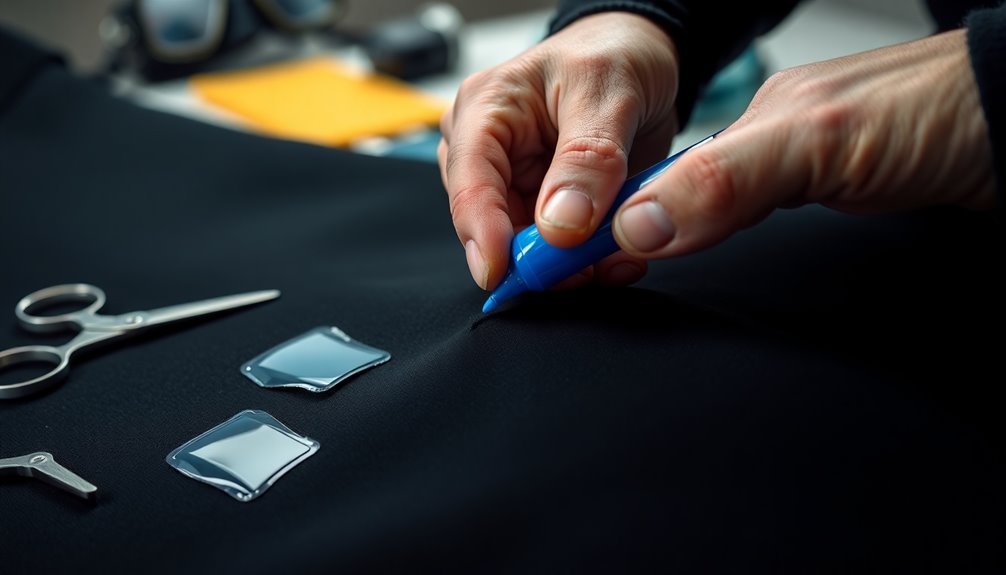
Cleaning and caring for your catch properly is vital to guarantee its freshness, safety, and quality. When you head out on a fishing trip, you want to make sure you preserve the fish correctly from the moment you land it. Proper fish preservation starts with efficient cleaning, which minimizes spoilage and keeps the meat in prime condition. To do this effectively, you’ll need the right cleaning tools—sharp knives, fillet scissors, and cutting boards designed for fish. These tools help you make precise cuts, remove scales, and gut the fish quickly, reducing the risk of bacteria growth. Using appropriate cleaning tools also guarantees you don’t damage the flesh, preserving the texture and flavor of your catch.
Proper cleaning tools ensure fish stays fresh, safe, and flavorful.
Once you have your tools ready, the first step is to rinse the fish with cold water. This step washes away any dirt, slime, or debris on the surface. After rinsing, use your fillet knife or cleaning tool to remove the scales. Hold the fish firmly by the tail and scrape from tail to head with a swift, gentle motion. This process not only cleans the fish but also prepares it for the next step—gutting. Gutting is vital for fish preservation because it removes internal organs that can spoil quickly. Make a shallow incision along the belly, from the anus to the gills, and carefully extract the guts. Dispose of them properly, especially if you’re not planning to keep the fish for long.
Cleaning and caring for your catch doesn’t stop at gutting. You should also remove the gills, which can harbor bacteria and cause spoilage. Use scissors or a knife to cut through the gill covers and take out the gills. This step helps extend the fish’s shelf life and keeps the meat fresh. Once cleaned, rinse the fish again with cold water to wash away any blood or residual debris. Proper cleaning tools make this process quicker and more hygienic, reducing the risk of cross-contamination. Additionally, understanding the importance of color accuracy in your cleaning and storage methods can help maintain the fish’s appearance and quality for longer.
After cleaning, it’s best to store the fish in a cooler with ice or in a refrigerated environment if you’re not cooking it immediately. Keeping the fish cold slows bacterial growth and preserves its quality until you’re ready to cook or process it further. Remember, the cleaner and more carefully you handle your catch, the better its preservation, flavor, and safety will be. Using the right cleaning tools and techniques not only makes the process easier but also guarantees you get the most out of your fishing trip, delivering fresh, high-quality fish every time.
Frequently Asked Questions
How Long Can I Store My Catch Before It Spoils?
You should store your catch for no more than two days in the refrigerator to prevent spoilage. Fish storage at proper cold temperatures slows bacterial growth, ensuring freshness. If you can’t cook it within this timeframe, consider freezing it to extend its shelf life and prevent spoilage. Always keep your fish properly wrapped and chilled to maintain quality and safety for later consumption.
What Are the Best Methods to Prevent Bacterial Growth?
Think of your catch as a delicate treasure that needs guarding. To prevent bacterial growth, you’ll want to keep it in check with proper sanitation and temperature control. Rinse thoroughly with clean water, then store it in a cold environment—ideally on ice or at a consistent cold temperature. This keeps bacteria at bay, preserving freshness and safety, much like a fortress defending your prized catch from spoilage.
Is It Safe to Eat Fish Caught in Contaminated Waters?
You shouldn’t eat fish caught in contaminated waters without proper precautions. Always check water contamination levels in your area and consider fish tissue testing, which reveals pollutants in the fish. Consuming fish from polluted waters can pose health risks due to toxins. To stay safe, avoid eating fish from known contaminated sites, and always verify water quality before fishing or consuming your catch.
How Can I Tell if My Catch Is Still Fresh?
Think of your catch like a story waiting to be told; fresh fish still have their voice. You’ll notice a clean, ocean-like fish smell—no sour or ammonia scent. Check the gill color; it should be bright red or pink, not dull or brown. Firm flesh that springs back when pressed also signals freshness. If these signs align, your fish’s story is still fresh and worth savoring.
What Safety Gear Should I Wear During Cleaning?
You should wear protective gloves and eye protection whenever you’re cleaning your catch. Gloves keep your hands safe from sharp fins, bones, and bacteria, while eye protection shields your eyes from splashes of blood or fluids. Always choose sturdy, waterproof gloves and safety goggles. This gear helps prevent injuries and keeps you safe from potential infections, making your cleaning process safer and more comfortable.
Conclusion
Think of cleaning your catch like tending a delicate garden—you need care and attention to keep it healthy. When I first started, I rushed through the process and ended up wasting good fish. But once I slowed down and followed proper steps, I realized I was safeguarding both the flavor and safety. Just like nurturing a garden, your careful effort ensures every bite is fresh, safe, and enjoyable. So, take your time—your catch deserves it.