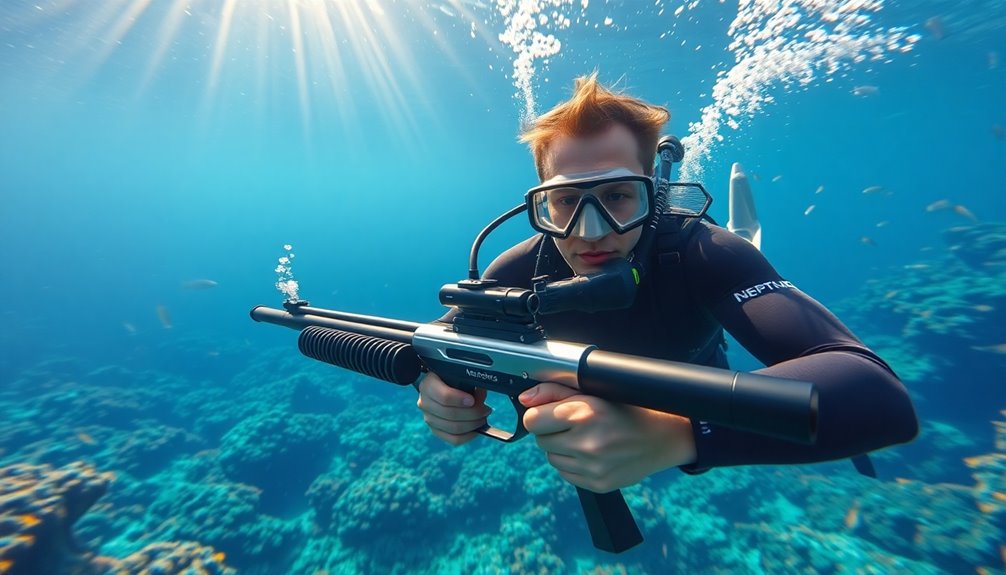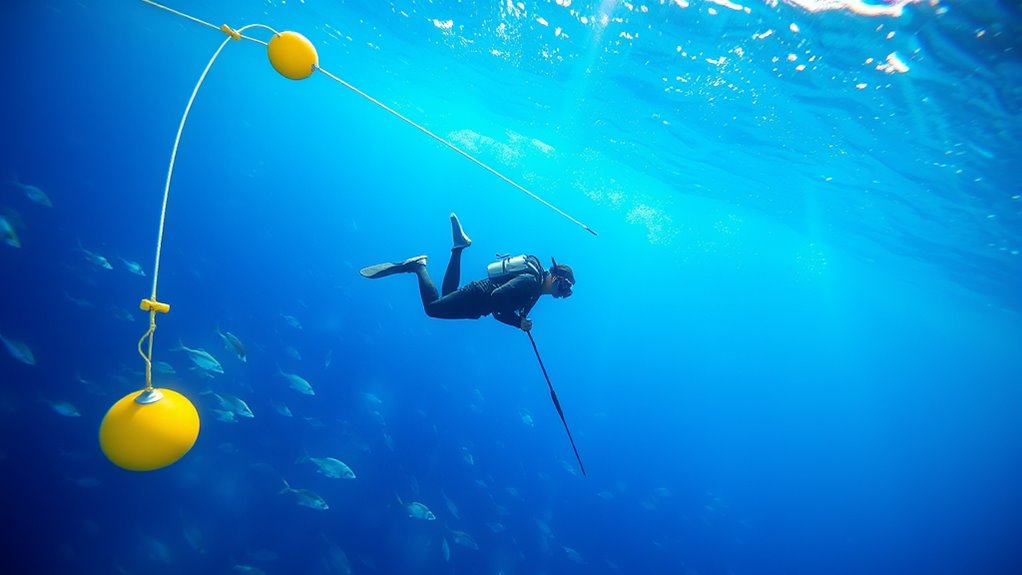

When spearfishing in open ocean waters, you must carefully manage drifts and float setups for safety and efficiency. Use a visible float with secure lines to mark your location, rest, and stay safe from boats. Always stay alert for sharks and keep a safe distance if encountered. Regular gear checks are essential to prevent corrosion and gear failure. Mastering these safety measures helps you enjoy bluewater spearfishing confidently—continue exploring to discover more about staying safe in the open sea.

Get garden gear delivered free with Prime
- Fast, free delivery on millions of items
- Prime Video, Amazon Music and more included
- Member-only deals all year
Key Takeaways
- Proper drift setup ensures safety, visibility, and easy location during extended bluewater dives.
- Regular float and gear inspections prevent leaks, ensure secure tow lines, and maintain safety equipment functionality.
- Maintain safe distances from sharks, avoid panicking, and keep eye contact to reduce risk during encounters.
- Use signal flags and visual markers on floats for boat awareness and diver safety in open ocean environments.
- Familiarize yourself with safety protocols and gear maintenance to enhance safety and efficiency in bluewater spearfishing.

Bluewater spearfishing offers an exhilarating challenge for anglers who crave the thrill of hunting large, powerful fish in open ocean waters. As you venture far from shore, you’ll need to be prepared for unexpected shark encounters, which are a real possibility in these waters. Staying calm and aware is essential; understanding shark behavior and maintaining a safe distance can help you avoid dangerous situations. When you see a shark, don’t panic—slow your movements, keep eye contact, and slowly back away if possible. Remember, sharks are curious but generally not aggressive unless provoked. Having a dive buddy adds an extra layer of safety, ensuring that you can respond quickly if a shark approaches too closely.
Stay calm and keep your distance if you encounter a shark while bluewater spearfishing.
In addition to awareness of marine life, gear maintenance becomes vital in bluewater environments. Your spearfishing equipment faces constant exposure to salt, which can corrode metal parts and degrade rubber components. Before each trip, inspect your gear thoroughly—check your speargun for cracks or bent parts, ensure your wetsuit is free of tears, and verify that your floatlines and knots are secure. Proper maintenance isn’t just about longevity; it’s about safety. For instance, a malfunctioning speargun could cause accidents or missed opportunities to land a trophy fish. Likewise, a worn or improperly secured float line can lead to lost equipment or, worse, entanglement hazards. Keeping your gear in top condition means you’ll spend more time hunting and less time troubleshooting equipment issues.
Your float setup is equally important. It acts as your safety marker, a visual cue for boats and other divers, and a rest point during prolonged dives. Regularly check your float for leaks, ensure your tow lines are intact, and keep your signal flags visible. When you’re drifting in open water, your float becomes your anchor and safety station—never underestimate its significance. Proper gear maintenance extends beyond just safety; it enhances your efficiency, allowing you to focus on hunting rather than worrying about equipment failure. Additionally, familiarizing yourself with diving safety protocols can greatly reduce risks during extended bluewater excursions.
Ultimately, successful bluewater spearfishing hinges on your ability to adapt to the environment, respect marine life, and keep your gear in prime condition. By being vigilant about shark encounters and diligent with gear maintenance, you set yourself up for an exciting, safe, and rewarding adventure. The ocean is unpredictable, but with preparation and awareness, you can enjoy the thrill of the hunt while minimizing risks.
Top picks for "bluewater spearfish drift"
As an affiliate, we earn on qualifying purchases.
Frequently Asked Questions
What Are the Best Times of Day for Bluewater Spearfishing?
The best times for bluewater spearfishing are dawn and dusk when fish are most active and feeding. During these periods, the water is often calmer and visibility improves, making it easier for you to spot and approach your targets. You’ll find that fish tend to stay shallow or move closer to the surface, giving you a better chance to make successful dives. Always stay safe and aware of your surroundings during these prime times.
How Do Weather Conditions Affect Bluewater Spearfishing Safety?
Think of weather conditions like a guardian watching over your dive. Sudden changes in weather patterns and rough sea state can turn your calm voyage into a dangerous storm. Rough seas reduce visibility and increase the risk of accidents, so you should always check weather forecasts before heading out. Staying alert to these conditions helps you maintain safety, ensuring your adventure remains exciting rather than perilous.
What Types of Gear Are Essential for Bluewater Spearfishing?
You need essential gear like a good wetsuit selection to stay warm and protected, along with a reliable floatline setup for safety and visibility. Make sure your wetsuit fits well and is suitable for water temps, and your floatline is sturdy and properly attached to your spear and float. This gear helps you stay comfortable, alert, and safe while enjoying your bluewater spearfishing adventure.
How Can I Identify Safe Drift Zones in Open Water?
You can identify safe drift zones by observing current flow and water clarity. Look for steady, predictable currents that won’t pull you away unexpectedly, and avoid areas with strong or variable flows. Check water clarity to spot potential hazards beneath the surface, and stay within zones that offer good visibility. Always monitor your surroundings, use a GPS or float line, and trust your experience to stay in safe drift zones.
What Are Common Signs of Currents to Watch For?
You should watch for signs like tidal ripples on the water surface and floating debris, which indicate strong currents nearby. If you notice water swirling or debris moving quickly in a specific direction, it’s a clear sign of a current. Stay alert for changes in water color or foam patterns, as these can also signal shifting currents. Recognizing these signs helps you avoid dangerous zones and stay safe while diving.
Conclusion
As you navigate the vast blue wilderness, remember that safety is your anchor amidst the endless waves. Embrace your gear like trusted companions, guiding you through the ocean’s depths with confidence. Like a seasoned sailor reading the wind, stay vigilant and adaptable. When you respect the sea’s power and listen to its whispers, you become part of its story—an explorer who moves with purpose, harmony, and reverence in the infinite blue.
Halloween Picks
halloween
As an affiliate, we earn on qualifying purchases.