To practice reef spearfishing with low impact, focus on targeting abundant, resilient fish species and follow local regulations and size limits. Use gear designed to minimize coral contact, move slowly, and maintain good buoyancy control to avoid damaging fragile reefs. Respect protected zones, dispose of waste properly, and avoid touching or collecting coral and marine life. Implementing these methods helps preserve reef health and guarantees sustainable fishing for future adventures—discover more ways to fish responsibly in the following sections.

Get garden gear delivered free — and shop member deals
- Fast, free delivery on millions of items
- Access to Prime Big Deal Days deals on October 6–7
- Prime Video, Amazon Music and more included
Key Takeaways
- Use float lines and appropriate gear to minimize contact and damage to coral reefs.
- Move slowly and maintain good buoyancy control to prevent accidental coral contact.
- Target abundant, resilient fish species and adhere to size and bag limits.
- Practice responsible navigation by avoiding reef structures and protected zones.
- Properly dispose of waste and support conservation efforts to protect marine ecosystems.

Reef spearfishing is an exciting and challenging way to hunt fish directly from underwater reefs. It offers a unique experience, combining skill, patience, and respect for the marine environment. As you plunge into this activity, it’s essential to prioritize coral conservation and adopt sustainable practices to guarantee the health of reefs for future generations. The reefs are delicate ecosystems that support countless marine species, and responsible spearfishing helps protect these vibrant habitats from damage caused by careless methods or overfishing.
One of the key ways to practice sustainable reef spearfishing is to target only specific species that are abundant and resilient, avoiding those that are overfished or endangered. This approach not only preserves the ecological balance but also guarantees that you’re contributing to the long-term viability of reef fish populations. Using a targeted approach means you’re less likely to disturb the broader reef community or cause unintended harm to the environment. Additionally, it’s crucial to familiarize yourself with local regulations and size limits, which are designed to protect juvenile fish and spawning stocks. Respecting these rules helps maintain healthy fish populations and supports coral conservation efforts.
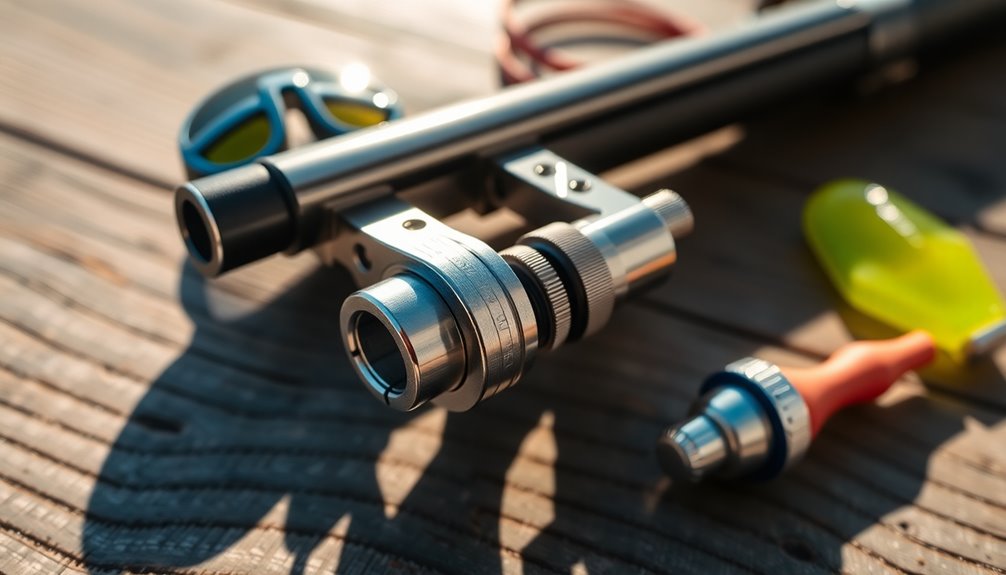
Another critical aspect of low-impact spearfishing is your gear and technique. Choose equipment that minimizes reef contact, such as float lines that keep your spear and fish away from sensitive coral structures. When you submerge, move slowly and precisely, avoiding sudden or aggressive maneuvers that could damage the fragile coral formations. Practice good buoyancy control to prevent accidental contact with the reef, as even minor touches can break or stress corals, compromising their health. Remember, your goal is to hunt efficiently without causing collateral damage, which is why patience and skill are crucial. Utilizing proper equipment that reduces reef impact is essential for sustainable practices.
Sustainable practices extend beyond your diving technique. Consider how your actions on land also impact reef health. Dispose of waste properly, avoid touching or collecting coral or marine life, and support local conservation initiatives. Some areas may have designated marine protected zones where spearfishing is restricted or prohibited. Respect these zones, and choose to plunge in areas that promote reef preservation. This mindful approach ensures your activity remains a positive force in reef conservation efforts, promoting healthy ecosystems and vibrant marine biodiversity.
Ultimately, reef spearfishing can be a rewarding pursuit when done responsibly. By focusing on conservation, adhering to sustainable practices, and respecting the delicate balance of reef ecosystems, you help safeguard these underwater treasures. Your careful actions contribute to the resilience of coral reefs and the diversity of life they support, allowing future generations of divers and marine life to enjoy the beauty of these vibrant underwater worlds.
Top picks for "reef spearfish impact"
As an affiliate, we earn on qualifying purchases.
Frequently Asked Questions
What Are the Best Times of Day for Reef Spearfishing?
The best times of day for reef spearfishing are during the best dawn and afternoon hours. Early morning offers calm waters and active fish before the sun rises high, making it easier to spot your targets. In the afternoon, fish are still active and less wary as they prepare to settle down for the night. Avoid midday when the sun is strongest, as fish tend to hide and visibility drops.
How Do Weather Conditions Affect Reef Spearfishing Safety?
Imagine you’re in the 1920s, but weather hazards today still matter. Weather conditions directly impact your reef spearfishing safety; rough sea states create dangerous currents and reduce visibility, increasing the risk of accidents. Storms, high winds, and sudden changes can catch you off guard, so always check forecasts. Calm weather offers safer conditions, while unpredictable weather hazards demand caution, proper gear, and quick decision-making to stay safe in the water.
What Gear Is Essential for Low-Impact Reef Spearfishing?
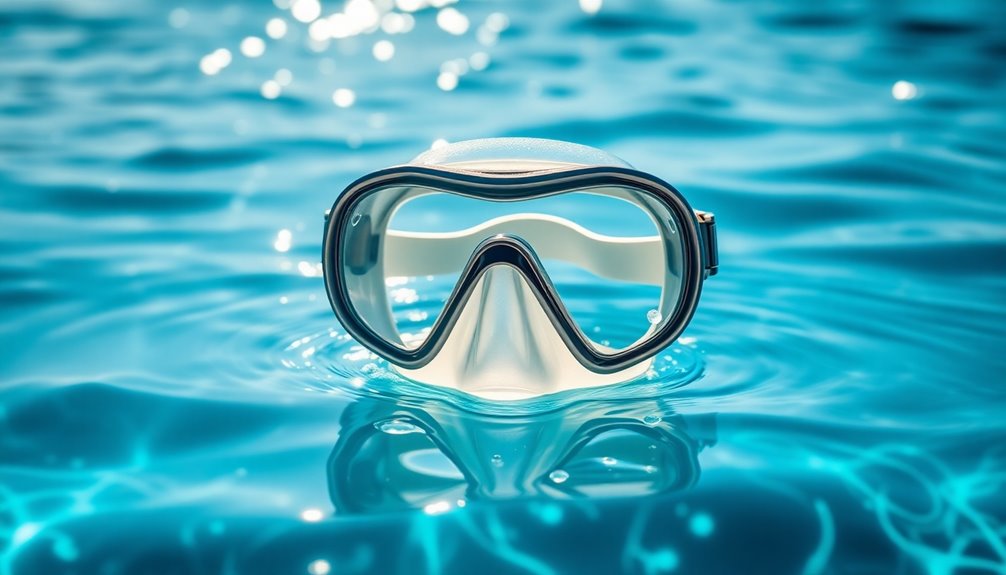
You need essential gear like recovery gear to handle potential emergencies and guarantee safety. Camouflage techniques help you blend with the reef environment, reducing disturbance to marine life. A good wetsuit, mask, snorkel, and fins are must-haves for comfort and efficiency. Carry a signaling device for safety, and consider lightweight gear that minimizes reef contact. This setup supports low-impact, sustainable spearfishing while keeping you prepared and eco-conscious.
How Can I Identify Sustainable Fishing Spots?
To identify sustainable fishing spots, look for marine protected areas, where fishing is restricted to conserve ecosystems. Pay attention to seasonal fish migrations, which indicate healthy, dynamic environments. You can also consult local regulations and guides to find areas with sustainable practices. Observing the abundance and diversity of marine life and avoiding overfished zones helps guarantee your spearfishing remains low-impact and eco-friendly.
What Are Common Mistakes to Avoid When Spearfishing on Reefs?
When spearfishing on reefs, avoid common mistakes like poor underwater navigation, which can lead to damaging fragile habitats or missing targets. Always guarantee your gear is well-maintained, as faulty equipment increases risks and disrupts the environment. Stay mindful of your surroundings, move smoothly, and respect marine life. By practicing proper navigation and gear upkeep, you help preserve reefs and enjoy a sustainable, low-impact experience.
Conclusion
As you glide through the vibrant reef, imagine delicate corals and shimmering fish beneath your spear. By practicing low-impact spearfishing, you help preserve this underwater paradise for future adventures. Feel the gentle sway of the currents and the rush of excitement as you carefully harvest your catch, knowing you’re protecting the fragile beauty around you. With mindful methods, you become a guardian of the reef’s colorful tapestry, ensuring its wonder endures for generations to come.
Halloween Picks
halloween
As an affiliate, we earn on qualifying purchases.