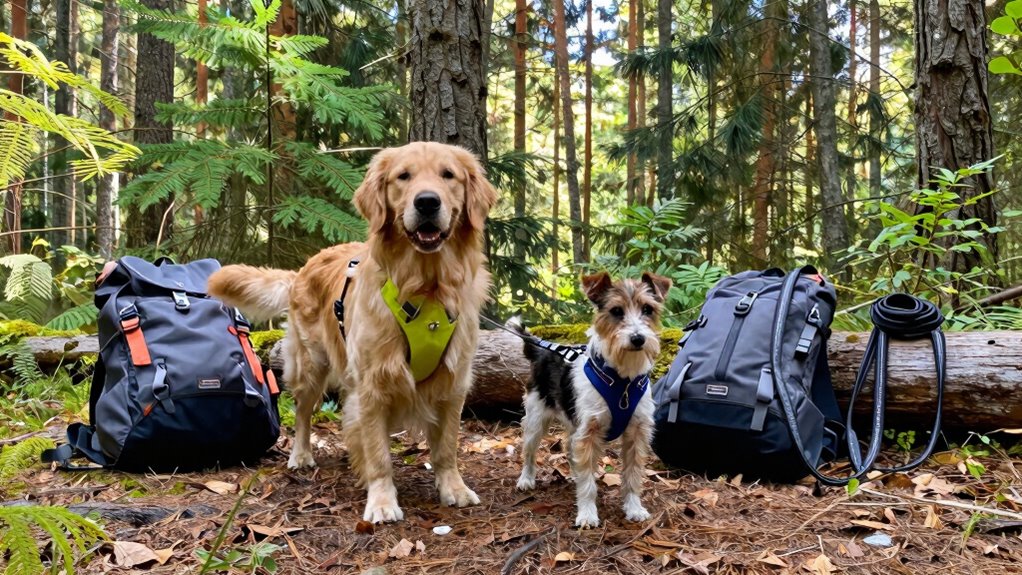

Before heading into snake country with your dog, research the area for snake activity reports and trail warnings. Equip your dog with protective gear like snake-proof boots or vests, and carry a first aid kit specific to snakebites. Keep your dog on a leash, stay alert for warning signs, and avoid tall grass or rocky areas. Staying prepared helps prevent bites and keeps everyone safe. If you want to learn more about how to stay safe, keep exploring these tips.

Get garden gear delivered free — and shop member deals
- Fast, free delivery on millions of items
- Access to Prime Big Deal Days deals on October 6–7
- Prime Video, Amazon Music and more included
Key Takeaways
- Research trail reports and local snake activity warnings before heading out.
- Equip dogs with protective gear like snake-proof boots or vests.
- Keep dogs on a leash and avoid tall grass, dense brush, and rocky areas.
- Carry a first aid kit and familiarize yourself with snakebite symptoms and response.
- Train dogs to recognize warning signs and use noise devices for quick alerts.
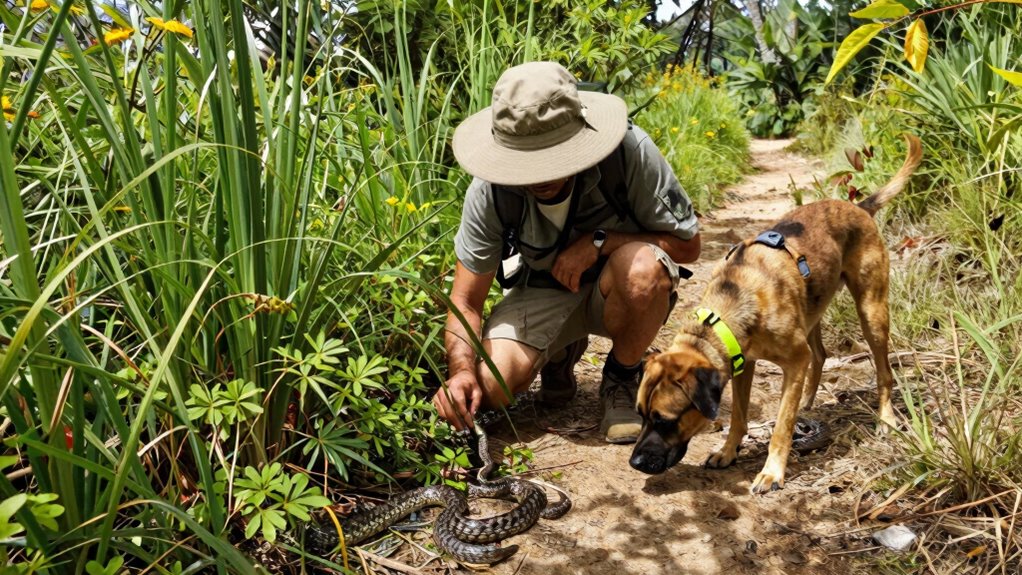
Have you ever wondered how dogs can help you navigate snake-infested areas? Your furry companion isn’t just there for companionship; their keen senses can alert you to danger before it’s too late. When heading into snake country, it’s essential to prioritize snakebite prevention. Knowing how to keep your dog safe can make your hike more enjoyable and less risky. Before you set out, take time to review trail safety tips—these are crucial for avoiding encounters with snakes. Stick to well-worn paths and avoid tall grass, dense brush, or rocky areas where snakes often hide. Keep your dog on a leash to maintain control and prevent them from darting into risky spots. A leash also helps you monitor their movements closely, so you can react quickly if they signal something unusual.
Keep your dog on a leash and stick to well-worn paths to stay safe from snakes.
Training your dog to recognize warning signs of snakes can be a game-changer. Many dogs naturally alert you with specific behaviors when they sense danger, such as barking, growling, or freezing. By observing these cues, you can better gauge when to steer clear. It’s wise to carry a whistle or a noise-making device; these can help you distract or alert your dog if they’re heading toward a snake or other hazards. Equipping your dog with protective gear like snake-proof boots or a thick, protective vest further reduces the risk of injury during unexpected encounters. Remember, even with precautions, staying vigilant is your best defense. Additionally, understanding the importance of biodiversity in the area can help you recognize habitats where snakes are more likely to be found. Increasing awareness of snake behavior can also improve your response if you encounter a snake unexpectedly.
Before your hike, research the area for reports of snake activity, and check if there are any trail closures or warnings. Bringing along a first aid kit with supplies specific to snakebites is a smart move. Knowing how to respond if your dog gets bitten can save their life—such as keeping them calm, limiting movement, and seeking immediate veterinary care. It’s also helpful to learn about snakebite symptoms, which can vary based on the snake species and the severity of the bite. Familiarizing yourself with the signs of snake envenomation, including swelling, bleeding, or paralysis, is equally important. Being aware of the local snake species can further prepare you for specific types of bites and appropriate responses.
Finally, don’t forget to hydrate your dog regularly and watch for signs of distress. The more prepared you are, the more confident you’ll feel navigating snake country. The key to a successful hike is to stay informed and observant of your surroundings. The more prepared you are, the more confident you’ll feel navigating snake country. With proper planning, adherence to trail safety tips, and a watchful eye on your dog, you can enjoy the wilderness while significantly reducing the risk of snakebite incidents. Your proactive approach ensures a safer adventure for both of you, making your outdoor experience more rewarding and secure.
As an affiliate, we earn on qualifying purchases.
Frequently Asked Questions
What Are the Signs of a Snakebite in Dogs?
You’ll notice a snakebite in your dog if it suddenly shows signs like swelling, redness, or pain around the bite area. The dog might also act anxious, vomit, or have difficulty breathing. Recognizing snake behavior and applying dog training to stay calm can help prevent bites. Keep an eye out for these symptoms and seek veterinary help immediately, as quick action is essential for your dog’s safety.
How Can I Identify Venomous Snakes in the Area?
Like the sirens of Greek myths, venomous species often blend into their snake habitat, making them tricky to spot. Look for distinct features like triangular heads, slit pupils, and vibrant colors, common among venomous snakes. Familiarize yourself with local venomous species to stay alert. Remember, if you’re unsure, keep your distance—it’s better to be cautious than to risk a dangerous encounter.
What First Aid Steps Should I Take After a Snakebite?
If bitten, stay calm and keep the affected limb immobilized to slow venom spread. Call emergency services immediately and note the snake’s behavior if possible. Do not try to cut the wound or suck out venom. Your emergency preparedness should include knowing basic first aid and having a plan for quick medical access. Remember, quick action minimizes damage, and understanding snake behavior helps you respond effectively in case of a bite.
Are There Specific Safety Gear Recommendations for Hiking With Dogs?
When hiking with your dog, wear protective footwear to guard your feet against snake bites, especially in high-risk areas. Carry snake deterrent sprays and apply them around your trail area to help keep snakes at bay. Keep your dog on a leash to prevent sudden encounters, and stay alert for snake signs. These safety gear measures help reduce risks and guarantee a safer, more enjoyable hike for both you and your furry friend.
How Can I Prevent My Dog From Chasing or Disturbing Snakes?
Think of your dog as Odysseus steering dangerous waters; you need to guide them carefully. To prevent chasing or disturbing snakes, keep your dog on a short leash and avoid known snake habitats. Use consistent dog training to reinforce commands like “leave it” or “stay.” Stay vigilant, especially near tall grass or rocky areas, and always supervise your dog closely to make certain they don’t disturb or chase snakes.
As an affiliate, we earn on qualifying purchases.
Conclusion
Before you head into snake country with your dog, remember that preparation is your best armor. Double-check your gear, keep your pup on a leash, and stay alert—these small steps can prevent a snakebite from turning your adventure into a nightmare. Think of it this way: with the right precautions, you’ll be safer than a fortress and more confident than a lion, ready to explore the wildest trails without a worry. Happy hiking!
As an affiliate, we earn on qualifying purchases.
dog training whistle for alerting snakes
As an affiliate, we earn on qualifying purchases.
As an affiliate, we earn on qualifying purchases.
Fall yard work Picks
leaf blowers
As an affiliate, we earn on qualifying purchases.