
Relying on just a pet tag isn’t enough because tags can fall off or become unreadable, leaving your pet vulnerable if lost. Microchips offer a permanent ID but aren’t visible without scanning, so if tags are gone, your pet may go unnoticed. Combining both methods creates a safety net: tags provide immediate visibility, while microchips act as a backup. To guarantee your pet’s safety, understanding how these layers work together is essential—keep going to learn more.

Get garden gear delivered free with Prime
- Fast, free delivery on millions of items
- Prime Video, Amazon Music and more included
- Member-only deals all year
Key Takeaways
- Tags can fall off or become unreadable, limiting their reliability as sole identification.
- Microchips provide a permanent, tamper-proof ID that tags cannot offer.
- Relying on one method increases the risk of losing the pet’s identification entirely.
- Combining tags and microchips ensures immediate visibility and a secure backup.
- Proper registration and maintenance of microchips are essential for effective multi-layer identification.
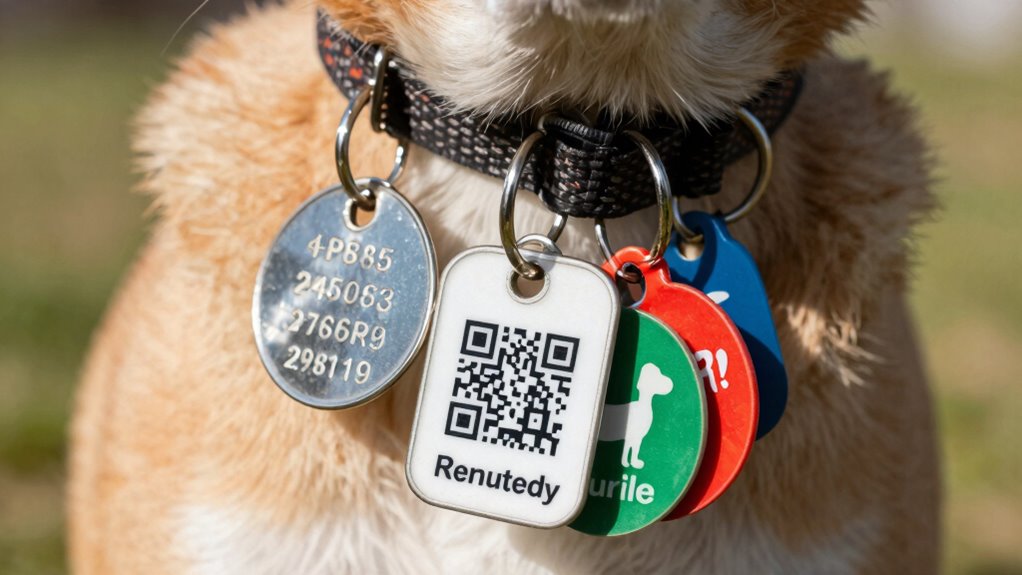
When it comes to keeping your pets safe, relying on a single form of identification isn’t enough. Pets can slip away or get lost in a flash, and having multiple layers of identification increases the chances of a quick reunion. One of the most common methods is a collar with an ID tag, which offers immediate visibility. However, tag visibility can be compromised if your pet’s collar gets caught or falls off, making it unreliable as the sole means of identification. That’s why it’s essential to complement tags with other methods, like microchipping, which offers a more permanent solution. Microchip safety is a key part of a thorough pet ID plan. These tiny chips, about the size of a grain of rice, are implanted under your pet’s skin and contain a unique identification number linked to your contact information. Unlike tags, microchips aren’t visible, but they provide a secure, tamper-proof way to identify your pet if they’re found without a collar. When a lost pet is brought to a shelter or vet, they can scan for the microchip, instantly retrieving your details. This technology isn’t foolproof—microchip safety depends on registration accuracy and whether the microchip has been properly scanned and updated—but it’s a crucial backup that can substantially improve recovery chances. Relying solely on a tag isn’t wise, as tags can fall off, get damaged, or be obscured. That’s why tag visibility is so important. Clear, legible tags with your current contact info ensure that a quick glance can connect a finder with your pet’s owner. Using tags with reflective or bright colors can enhance visibility, especially at night or in low-light conditions. Additionally, microchip registration is vital to ensure your pet’s information is up-to-date and easily accessible. Proper maintenance of both tags and microchips can significantly increase recovery chances if your pet gets lost. Moreover, some shelters and veterinary clinics now use advanced scanning technology, which increases the likelihood of detecting microchips that might otherwise be missed. However, never depend solely on tags. They’re best used as the first line of defense, providing immediate identification, while microchips serve as a more secure backup. Combining these layers creates a safety net that covers different scenarios. If your pet’s collar slips off, a microchip can still identify them. Conversely, if a microchip isn’t registered or the scanner misses it, a visible tag can facilitate a quick call or visit to your home. By integrating Microchip safety with proper tag visibility, you’re giving your pet the best chance of a safe return if they ever get lost. It’s a simple but powerful strategy that ensures multiple pathways lead back to you.
pet ID tags with reflective colors
As an affiliate, we earn on qualifying purchases.
As an affiliate, we earn on qualifying purchases.
Frequently Asked Questions
How Often Should I Update My Pet’s Identification Tags?
You should update your pet’s identification tags at least once a year or whenever your contact information changes. Regularly check your pet collar to guarantee the tags are secure and legible. Updating tags is vital for your emergency plan, making sure someone can reach you quickly if your pet gets lost. Keep the tags current to improve your pet’s safety and peace of mind during unforeseen situations.
Are Electronic Tags More Reliable Than Traditional Tags?
Think of electronic tags as the sturdy lighthouse guiding your lost pet home, but traditional tags are like bright, visible beacons on a foggy night. While electronic durability guarantees they withstand weather and wear, traditional visibility keeps your pet’s info instantly accessible. Both have their strengths, so combining them creates a safety net—your pet’s best chance to be found, no matter the storm or shadow.
What Should I Do if My Pet’s Tags Get Lost?
If your pet’s tags get lost, act quickly to guarantee collar safety by replacing them immediately. Contact local shelters and vets with a recent photo and description to help identify your pet. Keep the new tags visible and durable, and consider adding an electronic ID for extra security. Regularly check that your pet’s tags are secure and visible, reducing the risk of losing important contact information.
Can Microchips Be Traced Without a Scanner?
Can microchips be traced without a scanner? Usually, no. RFID privacy prevents unauthorized microchip scanning, so without a scanner, you can’t trace a microchip’s location. When your pet is lost, trained professionals use microchip scanning to identify them. Without proper equipment, tracing is impossible. This highlights why multiple identification layers matter—tags, collars, and microchips—so your pet has the best chance of being found, no matter what.
What Are the Latest Trends in Pet Identification Technology?
You’ll find that the latest trends in pet identification include GPS collars and biometric identification. GPS collars let you track your pet’s location in real-time, offering peace of mind if they wander off. Biometric IDs, like unique scans of a pet’s nose or paw prints, provide a highly secure way to identify your pet. Combining these with traditional tags creates a multi-layered approach, ensuring your pet’s safe and easy recovery.
microchip pet identification kit
As an affiliate, we earn on qualifying purchases.
As an affiliate, we earn on qualifying purchases.
Conclusion
Remember, relying on just one pet ID tag is like trusting a single sorcerer in a wizard duel—you’re setting yourself up for trouble. By layering identification methods, from tags to microchips, you create a safety net that’s much stronger. Think of it as your pet’s own medieval armor—better to have it and not need it than to wish you did. Don’t leave your furry friend’s safety to chance—layer up and stay prepared!
As an affiliate, we earn on qualifying purchases.
As an affiliate, we earn on qualifying purchases.
Columbus Day / Indigenous Peoples' Day Picks
long weekend sales
As an affiliate, we earn on qualifying purchases.