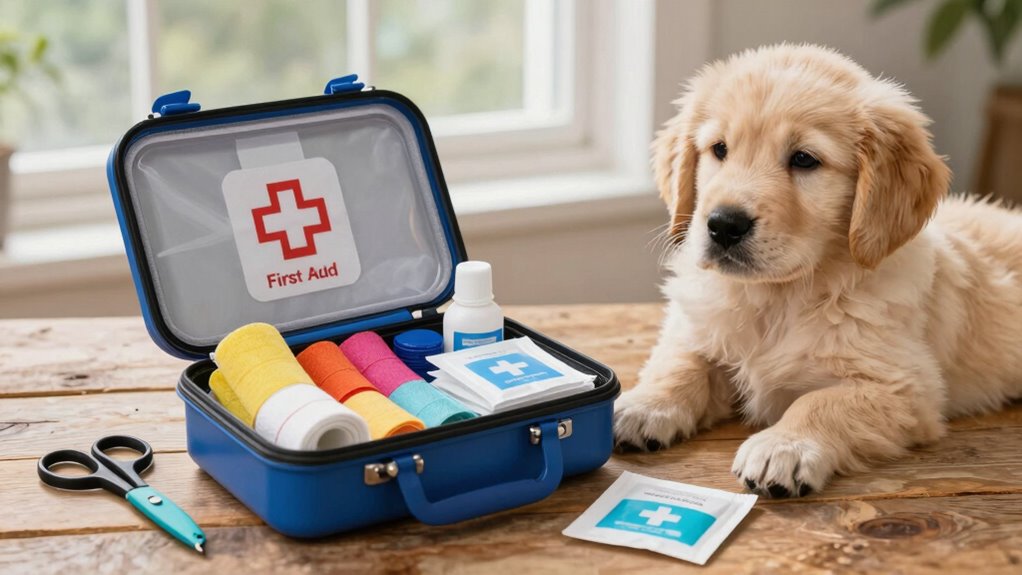

Having a pet first aid kit is important, but your skills in using it are even more vital. Knowing how to perform CPR, stop bleeding, and handle minor injuries quickly can make a big difference during emergencies. Staying calm and confident helps you respond effectively and keep your pet safe. If you want to know how to build your confidence and master essential techniques, there’s more to discover that can make you better prepared.

Get garden gear delivered free with Prime
- Fast, free delivery on millions of items
- Prime Video, Amazon Music and more included
- Member-only deals all year
Key Takeaways
- Proper training in pet first aid ensures effective response, even if supplies are limited or incomplete.
- Knowing how to perform CPR and control bleeding is crucial during emergencies.
- Skills help pet owners stay calm and make quick decisions, reducing panic and worsening injuries.
- Regular practice and courses enhance confidence and competence in handling pet emergencies.
- Skilled responders can better assess situations and know when professional veterinary help is necessary.
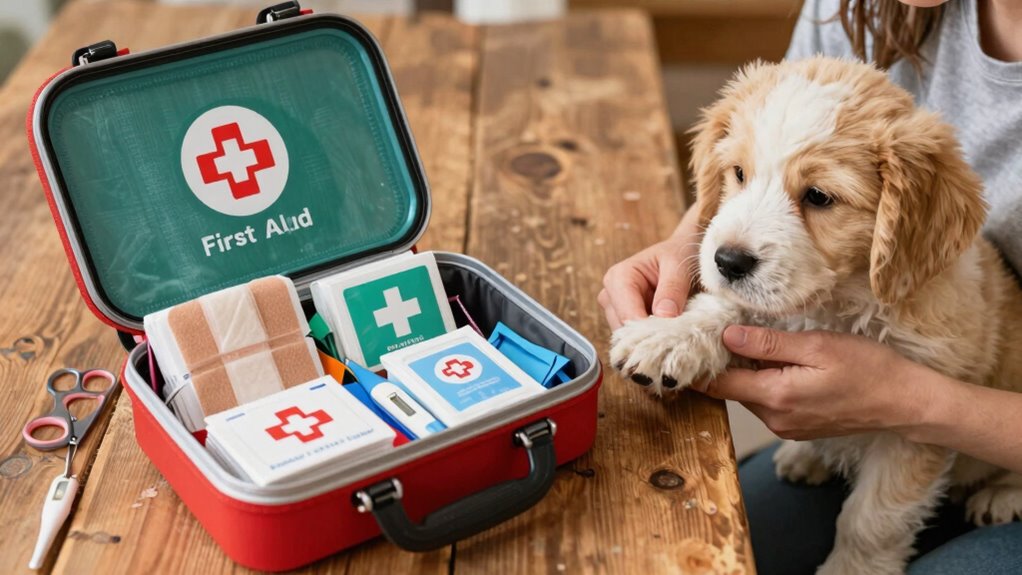
Have you ever wondered what to do if your pet suddenly gets injured or sick? It’s a scary thought, but being prepared can make all the difference. Emergency preparedness isn’t just about having the right supplies; it’s about knowing what to do when seconds count. A pet first aid kit is essential, but having the kit alone isn’t enough—you need the skills to use it effectively. Knowing basic pet safety tips and first aid procedures can help you keep calm and respond confidently in a crisis.
Being prepared with skills and supplies can make all the difference in your pet’s emergency.
When you’re assembling a pet first aid kit, focus on the essentials: antiseptic wipes, sterile gauze, adhesive tape, tweezers, scissors, and a digital thermometer. Include any medications your pet needs and copies of their medical records. But don’t stop there—your knowledge is just as vital. You should learn how to perform CPR on your pet, stop bleeding, and manage minor injuries. Practice makes perfect, so consider taking a pet first aid course to build your confidence. Additionally, understanding emergency preparedness can help you respond more effectively when time is critical. Being familiar with common pet emergencies can also improve your response time and reduce panic.
Emergency preparedness isn’t just about having the right supplies; it’s about being ready to act quickly and correctly. Keep your pet’s first aid kit in a designated, easily accessible spot, and review its contents regularly. Make sure everyone in your household knows where it is and understands basic pet safety tips. For example, keep toxic substances out of reach, secure fences to prevent escapes, and always supervise your pet around unfamiliar animals or environments. These precautions can prevent many emergencies from happening in the first place. Moreover, understanding the importance of training and socialization can help prevent behavioral emergencies that might lead to injuries. Regularly practicing first aid skills with your pet can also help you respond more effectively during actual emergencies.
In a crisis, your calm and decisive actions are what matter most. If your pet is injured, try to stay calm and assess the situation. Apply pressure to stop bleeding, keep your pet warm, and avoid giving food or water if they’re vomiting or unconscious. Call your veterinarian immediately, and follow their instructions carefully. Remember, a well-prepared owner with the right knowledge can stabilize a pet until professional help arrives. Regularly reviewing pet first aid skills can also boost your confidence and readiness in emergencies.
Ultimately, the key to effective pet first aid isn’t just stuffing a kit with supplies, but understanding how and when to use them. Your pet’s safety depends on your ability to stay composed and act decisively. By combining emergency preparedness with pet safety tips and ongoing education, you’re giving your furry friend the best chance at recovery in any emergency. It’s not just about stuff; it’s about being ready to make a difference when it truly counts.
pet first aid kit with antiseptic wipes
As an affiliate, we earn on qualifying purchases.
As an affiliate, we earn on qualifying purchases.
Frequently Asked Questions
How Often Should I Update My Pet First Aid Kit?
You should update your pet first aid kit at least every six months to guarantee emergency preparedness. Regularly check and replace expired items, medications, and supplies. Keep the kit well-organized so you can quickly find what you need during an emergency. Proper kit organization helps you stay calm and efficient in a crisis, emphasizing that skills in using the kit are just as important as having the right supplies.
Can I Use Human First Aid Supplies on Pets?
You shouldn’t use human first aid supplies on pets because some medications and products can be harmful to animals. Always keep pet-specific supplies in your kit, and avoid human medication. In emergencies, contact your veterinarian or an emergency vet immediately. Having emergency contacts ready guarantees quick guidance. Remember, understanding pet first aid skills is more important than just having the supplies, so know how to use what’s in your kit safely.
What Training Is Recommended for Pet First Aid?
Think of yourself as a pet’s hero in a comic strip, ready to save the day. To do that, you need proper training in pet CPR and wound bandaging. Enroll in a certified pet first aid course, which covers emergency skills like wound management and breathing emergencies. Practice these skills regularly, so you’re confident to act swiftly and calmly, turning your pet’s time of need into a moment of rescue.
How Do I Handle a Pet Emergency Calmly?
To handle a pet emergency calmly, maintain a calm demeanor to keep your pet reassured. Focus on your emergency response by staying composed, evaluating the situation quickly, and calling for professional help if needed. Your calm attitude helps prevent your pet from panicking, making it easier to administer first aid and keep both of you safe. Remember, staying calm is essential in ensuring the best outcome during an emergency.
Are There Pet-Specific First Aid Items I Should Include?
You absolutely need pet-specific first aid items in your kit to be truly prepared—it’s more essential than ever! Include veterinary supplies like gauze, antiseptic wipes, and tweezers tailored for pets. Emergency preparedness means understanding your pet’s needs, so add items like a copy of medical records and any prescribed medications. These supplies help you act swiftly, comfort your pet, and potentially save their life during emergencies.
As an affiliate, we earn on qualifying purchases.
Conclusion
Remember, a well-stocked first aid kit is only as good as your knowledge to use it. Skills matter more than stuff, because quick, confident action can make all the difference in an emergency. Keep learning and practicing first aid techniques so you’re always ready to help your furry friend when it counts. As the saying goes, “Knowledge is power,” and in pet first aid, that power can save a life.
As an affiliate, we earn on qualifying purchases.
As an affiliate, we earn on qualifying purchases.
Fall yard work Picks
leaf blowers
As an affiliate, we earn on qualifying purchases.