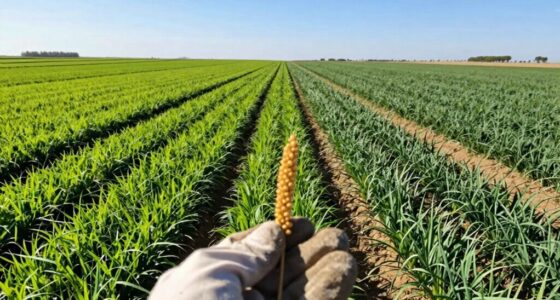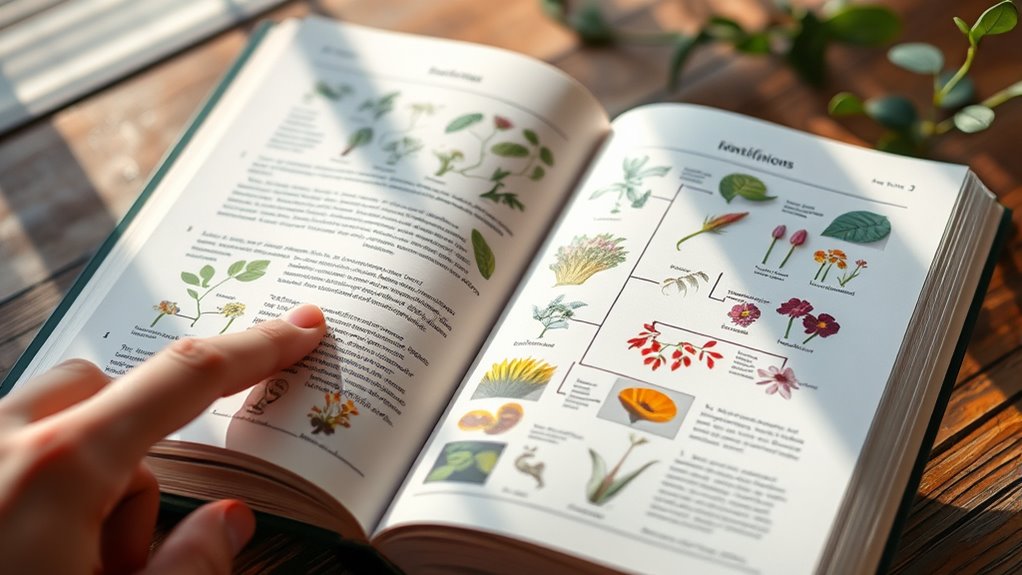

To use plant keys and dichotomous guides effectively, start by carefully observing your plant’s features like leaf shape, arrangement, flowers, and other details. Follow the step-by-step choices, choosing between contrasting options based on what best fits your plant. Keep in mind that traits can vary, so consider ecological factors and examine multiple parts if needed. With practice, you’ll quickly identify key traits, and exploring further can help sharpen your skills even more.

Get garden gear delivered free — and shop member deals
- Fast, free delivery on millions of items
- Access to Prime Big Deal Days deals on October 6–7
- Prime Video, Amazon Music and more included
Key Takeaways
- Understand that plant keys guide you through observable features, narrowing options step-by-step.
- Focus on clear morphological traits like leaf shape, arrangement, and flower structure highlighted in each step.
- Pay attention to ecological clues such as habitat, soil, and altitude to support identification.
- Carefully observe multiple plant parts and verify traits across different stages for accuracy.
- Follow the key systematically, making decisions based on specific, contrasting features at each choice point.

Plant keys are essential tools that help you identify different plant species quickly and accurately. They work by guiding you through a series of choices based on observable features, narrowing down the possibilities step by step. When you start using a plant key, you’ll notice that it often emphasizes specific characteristics, particularly morphological traits. These traits include leaf shape, arrangement, flower structure, and other physical features that are visible or measurable. Paying close attention to these details allows you to distinguish one species from another with confidence. Morphological traits are fundamental because they are usually consistent within a species and serve as clear identifiers. As you work through the key, you’ll compare your plant’s traits to the descriptions and illustrations provided, making decisions at each dichotomous split. This process is straightforward once you become familiar with how to interpret these traits accurately.
Plant keys guide identification through observable traits like leaf shape and flower structure.
In addition to physical features, many plant keys incorporate ecological indicators, which are clues derived from the plant’s environment and growth habits. These indicators include habitat preferences, soil types, altitude, and associated plant communities. Recognizing ecological indicators can be particularly useful if morphological traits are ambiguous or if the plant’s appearance varies due to age or environmental conditions. For example, a plant found exclusively in wetlands likely differs from one thriving in dry, rocky areas, even if they look somewhat similar morphologically. Combining observations of morphological traits with ecological indicators provides a more holistic approach, increasing your identification accuracy. Understanding ecological indicators can significantly enhance the precision of your identification process.
As you navigate the key, remember that plant identification isn’t always straightforward. Variations within a species can sometimes lead to confusion, especially if the plant exhibits different traits during various growth stages or environmental stresses. It’s helpful to gather multiple observations—such as examining different parts of the plant or considering the plant’s ecological context—to confirm your findings. Also, don’t hesitate to consult additional resources like field guides, herbarium specimens, or online databases if you encounter uncertainty. Over time, your ability to recognize key traits and interpret ecological indicators improves, making the process faster and more reliable.
Ultimately, reading plant keys is a skill that combines careful observation, knowledge of plant morphology, and understanding of ecological factors. By systematically analyzing morphological traits and ecological indicators, you’ll develop a keen eye for plant identification. With practice, it becomes second nature to follow the clues provided by the key, helping you identify plants efficiently and accurately in the field.
Frequently Asked Questions
How Do I Choose the Right Plant Key for My Region?
To select the right plant key for your region, consider regional plant diversity and the key selection criteria. You should look for guides specific to your geographic area, as they include local species and characteristics. Check if the key covers your target plant types and habitat. Using regional guides guarantees accurate identification, saving you time and confusion. Always verify that the key matches your plant’s features and your local plant community.
What if a Plant Doesn’t Fit Any Key’s Options?
If a plant doesn’t fit any key’s options, don’t give up. Instead, you can explore rare plant identification resources or seek expert advice. Ambiguous key traits may make identification tricky, so compare your plant with detailed photos or descriptions in specialized guides. Keep notes of unusual features, and consider consulting local botanists or online forums. This approach helps you navigate uncertainties and discover the plant’s true identity.
Can I Use Multiple Keys for the Same Plant?
Yes, you can use multiple keys for the same plant to improve your plant identification accuracy. Sometimes, different keys offer various features or focus on specific plant groups, making it helpful to cross-reference them. By consulting multiple keys, you can confirm your identification more confidently, especially if one key lacks certain details or if the plant exhibits characteristics that fit several categories. This approach enhances your overall understanding and accuracy.
How Often Do Plant Keys Get Updated or Revised?
Plant keys get updated or revised periodically, but revision frequency varies depending on the source. Typically, botanists and publishers review and update plant key updates every 5 to 10 years to reflect new discoveries, taxonomic changes, or improved identification methods. You should check the publication date or publisher’s website regularly, especially if you’re using older guides, to guarantee you’re working with the most current plant key updates and revisions.
Are Digital Plant Keys More Reliable Than Printed Ones?
Digital plant keys can be more reliable than printed ones, especially when they incorporate frequent updates and a digital comparison feature. You’ll find they adapt quickly to new discoveries, reducing errors. Plus, they cater to your user preferences with search functions and multimedia. However, verify the digital version is from a trusted source and regularly updated, so you get accurate, current information that supports your plant identification efforts effectively.
Conclusion
Now that you know how to read plant keys and dichotomous guides, you’ll confidently identify plants in any setting. Imagine you’re hiking and spot a mysterious shrub. Using what you’ve learned, you quickly narrow down its features—like leaf shape and flower color—and identify it as a rare native species. With practice, you’ll make accurate identifications effortlessly, turning every outdoor adventure into an exciting discovery. Keep practicing, and soon plant identification will become second nature!
Fall yard work Picks
leaf blowers
As an affiliate, we earn on qualifying purchases.