
As you explore Kentucky's wilderness, you'll discover a bounty of wild edibles, from dandelions and chickweed to morels and hairy bittercress. Before you start foraging, research plants thoroughly to identify them safely. Then, learn harvesting techniques to guarantee sustainability. Once you've gathered your wild ingredients, learn how to preserve them using methods like canning, drying, and fermenting. Finally, experiment with recipes that showcase the unique flavors and textures of your finds. With these skills, you'll be feasting like a pioneer in no time. Now, get ready to uncover the secrets of Kentucky's wild feast and take your foraging skills to the next level. As you delve deeper into the art of foraging, don’t limit yourself to just Kentucky’s offerings; expand your horizons by exploring *Virginia edible wild plants* as well. Many of the plants found in Kentucky’s wilderness, such as dandelions and morels, thrive in Virginia too, providing an even broader palette of flavors to experiment with. By embracing knowledge of both Kentucky and *Virginia edible wild plants*, your culinary adventures in wild foraging will become even more bountiful and diverse.

Get garden gear delivered free — and shop member deals
- Fast, free delivery on millions of items
- Access to Prime Big Deal Days deals on October 6–7
- Prime Video, Amazon Music and more included
Key Takeaways
- Kentucky offers a diverse range of wild edibles, including dandelions, chickweed, morels, and hairy bittercress, packed with nutritional benefits.
- Research plants thoroughly before foraging, observing features like color and shape, and consulting multiple sources to confirm identification.
- Responsible harvesting of wild fruits and nuts, like elderberries, wild apples, and hickory nuts, promotes sustainability and respect for ecosystems.
- Preserve foraged fruits and nuts for winter using techniques like canning, drying, fermenting, and root cellar storage to savor them year-round.
- Incorporate wild ingredients into recipes, like salads, soups, and stir-fries, to showcase their unique flavors and textures.
Foraging Kentucky's Wild Edibles
As you venture into Kentucky's fields and forests, you'll discover a treasure trove of wild edibles, from the humble dandelion to the pungent dead nettle, waiting to be foraged and transformed into delicious meals.
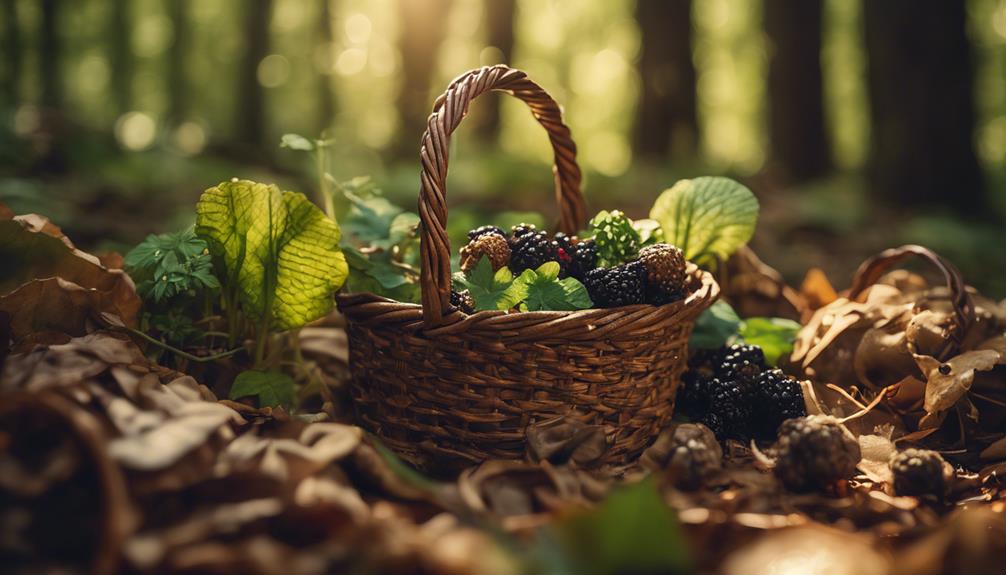
Kentucky's wild edible plants are a forager's paradise, offering a diverse range of flavors and textures to elevate your culinary creations. You can forage for mushrooms, like the prized morel, or uncover hidden gems like chickweed and hairy bittercress, packed with nutritional benefits and culinary potential.
With expert guidance, like George Barnett's book 'Foraging Kentucky', you'll uncover the secrets of Kentucky's wild edibles and learn how to identify, harvest, and prepare these wild plants.
By embracing the pioneer spirit of foraging, you'll not only discover new flavors but also connect with the natural world and tap into the rich heritage of Kentucky's wild feast.
Identifying Edible Plants Safely

When foraging for wild edibles, you must take the time to accurately identify each plant, as mistaking one species for another can be dangerous, even deadly. Kentucky's wild offers a variety of edible plants, but it's important to know what you're picking. Dandelions, dead nettle, henbit, chickweed, and hairy bittercress are just a few of the wild edibles you can find in the state.
To guarantee a safe and enjoyable foraging experience, follow these guidelines:
- Research, research, research: Study the plants you plan to forage, and learn about their lookalikes.
- Observe carefully: Take note of the plant's shape, size, color, and any distinctive features.
- Consult multiple sources: Don't rely on a single field guide or expert; cross-check your findings with multiple sources.
- Be cautious of lookalikes: Some plants can be mistaken for edible ones, so be aware of the differences.
Harvesting Wild Fruits and Nuts

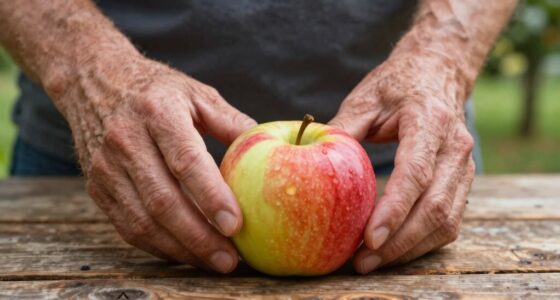
You can forage for a variety of wild fruits and nuts in Kentucky, including elderberries, wild apples, hazelnuts, hickory nuts, and walnuts, which offer unique flavors and essential nutrients.
These wild edibles can be a delicious and nutritious addition to your diet. Hickory nuts, for instance, are rich in protein and can be roasted for a tasty snack. Wild apples, on the other hand, offer distinct flavors compared to cultivated varieties and can be used in pies, jams, and ciders.
When harvesting nuts, remember to gather responsibly to promote sustainability and respect for natural ecosystems. In early spring, keep an eye out for budding trees and shrubs, as this is a great time to identify potential foraging spots.
As you explore Kentucky's wild landscape, you'll discover the abundance of wild fruits and nuts that can elevate your meals and snacks. By foraging responsibly, you can enjoy the flavors and benefits of these wild edibles while preserving the natural balance of the ecosystem.
Preserving the Harvest for Winter

By mastering various preservation techniques, you can savor the flavors of your foraged fruits and nuts throughout the winter months. Just like the pioneers, you can enjoy your hard-earned harvest year-round. Preserving the harvest for winter was vital for pioneers to have access to food during the colder months. You can adopt similar methods to preserve your foraged bounty.
Here are some techniques to get you started:
- Canning: Seal food in jars and heat them to kill bacteria, ensuring long-term preservation.
- Drying: Remove moisture from fruits and vegetables to prevent spoilage.
- Fermenting: Create probiotic-rich foods like sauerkraut and pickles that are both healthy and delicious.
- Root Cellar Storage: Store produce in a cool, dark, and humid environment to keep them fresh for months.
Cooking With Wild Ingredients

As you venture into the world of cooking with wild ingredients, dandelions, dead nettles, henbit, chickweed, and hairy bittercress await to reveal unique flavors and nutritional benefits to your dishes. You can incorporate these edible wild ingredients into a wide variety of dishes, from salads and stir-frys to quiches, soups, and teas. Experiment with recipes that showcase their flavors and textures, and don't be afraid to get creative!
| Ingredient | Nutritional Benefits | Culinary Uses |
|---|---|---|
| Dandelion | Rich in vitamins A, C, and K | Salads, salad dressing, soups |
| Chickweed | High in iron and vitamins A and C | Salads, stir-frys, quiches |
| Henbit | Rich in iron and vitamins A and C | Teas, soups, salads |
| Hairy Bittercress | Mild mustardy flavor | Salads, sandwiches, wraps |
| Dead Nettles | Rich in vitamins A and C | Soups, stews, casseroles |
Remember to soak leaves in salty water to remove insects and practice caution when foraging hairy bittercress due to its mild mustardy flavor. With a little experimentation, you can discover the flavors and nutritional benefits of these wild ingredients, adding a new dimension to your cooking.
Exploring Kentucky's Foraging Heritage

Kentucky's rich foraging heritage awaits your exploration, with a diverse array of wild edibles like dandelions, violets, and pawpaws ready to be discovered. As you investigate this heritage, you'll uncover a short history of foraging in North America, where indigenous communities and early settlers relied on these wild edibles for sustenance.
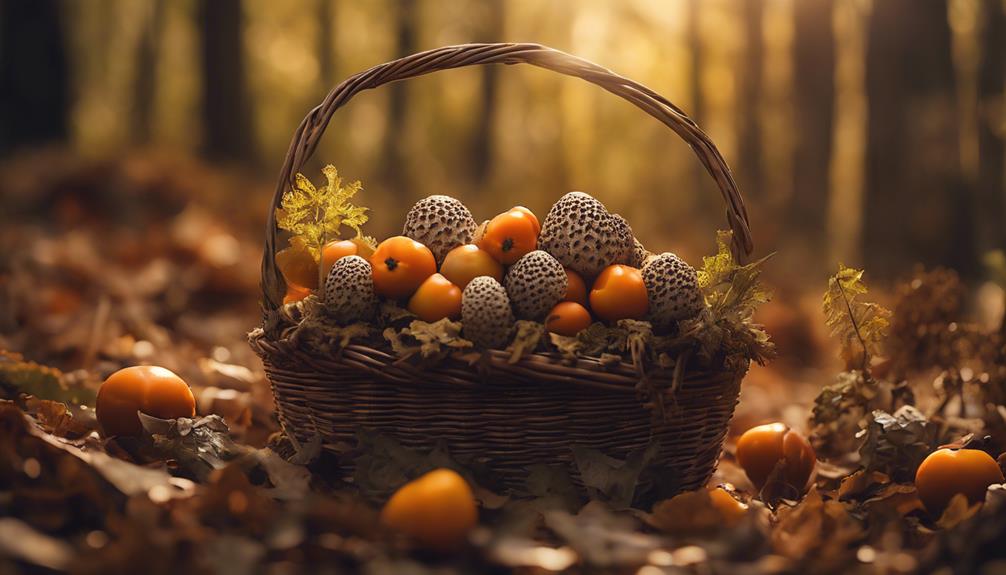
Today, you can experience this tradition firsthand by foraging for wild apples, acorns, and persimmons, which are commonly found in Kentucky's woods.
Here are some ways to enjoy Kentucky's foraging heritage:
- Discover traditional food practices: Learn about the culinary and historical significance of wild edibles like dandelion leaves, which have been used in salads and as a natural remedy.
- Connect with nature: Foraging in Kentucky offers a unique opportunity to connect with nature and appreciate the region's natural beauty.
- Explore sustainable living: By exploring, you'll learn about sustainable living practices and reduce your reliance on industrial agriculture.
- Savor local flavors: Enjoy the unique flavors and textures of Kentucky's wild edibles, which can add a new dimension to your cooking.
Frequently Asked Questions
What Is the Number One Rule of Foraging?
You're about to venture into the world of foraging, but first, you need to know the most important rule: proper plant identification is key to avoiding toxic plants, so you don't end up poisoning yourself!
How Do You Forage Wild Edibles?
You forage wild edibles by identifying plants like dandelions and henbit, avoiding pesticide areas, and obtaining permission. Then, harvest in moderation, respecting seasonal availability, and contribute to plant propagation for a sustainable foraging practice.
How to Forage Properly?
You forage properly by identifying edibles with certainty, using field guides and expert advice, starting in familiar areas, obtaining permission, and harvesting moderately to guarantee sustainability.
How Do Beginners Do Forage?
You start by learning common wild edibles, practicing plant ID techniques, and foraging in familiar areas to build confidence. You also research, avoid pesticide areas, and obtain landowner permission to guarantee a safe foraging experience.
Conclusion
You've dug in and uncovered the secrets of Kentucky's wild feast! Now, go forth and forage like a pioneer!
Don't be a stranger to the great outdoors – get familiar with the land and reap its rewards. Remember, when life gives you lemons, make lemonade; when life gives you wild edibles, make a wild feast!
As you continue on this foraging journey, the forest will become your new pantry, and the possibilities will be endless. Happy foraging!
Fall Picks
fall essentials
As an affiliate, we earn on qualifying purchases.