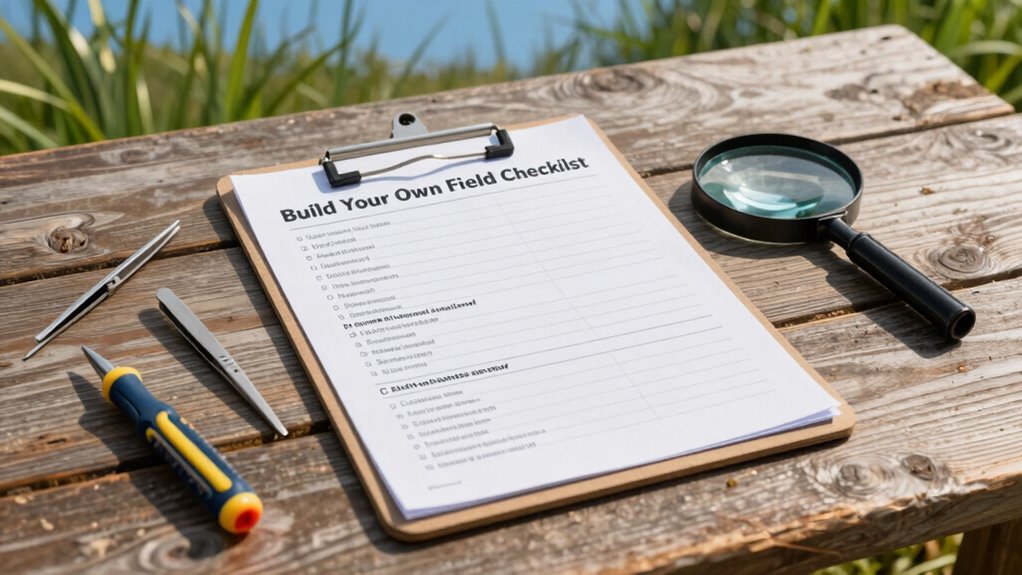

To build your own field checklist, start by identifying core tasks and essential equipment you use regularly. Organize items into logical categories like safety gear, tools, and documentation, keeping it simple and concise. Customize your list based on your environment and specific needs, and review it often to stay updated. A well-crafted checklist keeps you organized, safe, and efficient. Continue exploring to discover tips that make your checklist even more effective.

Get garden gear delivered free — and shop member deals
- Fast, free delivery on millions of items
- Access to Prime Big Deal Days deals on October 6–7
- Prime Video, Amazon Music and more included
Key Takeaways
- Identify essential tasks and equipment specific to your field to ensure nothing is overlooked.
- Organize the checklist into logical categories like safety, tools, and documentation for easy reference.
- Regularly review and update the checklist to adapt to new tools, environments, and safety protocols.
- Incorporate safety procedures, emergency contacts, and hazard assessments to enhance preparedness.
- Keep the checklist simple, concise, and focused on core tasks to prevent forgetting the basics.
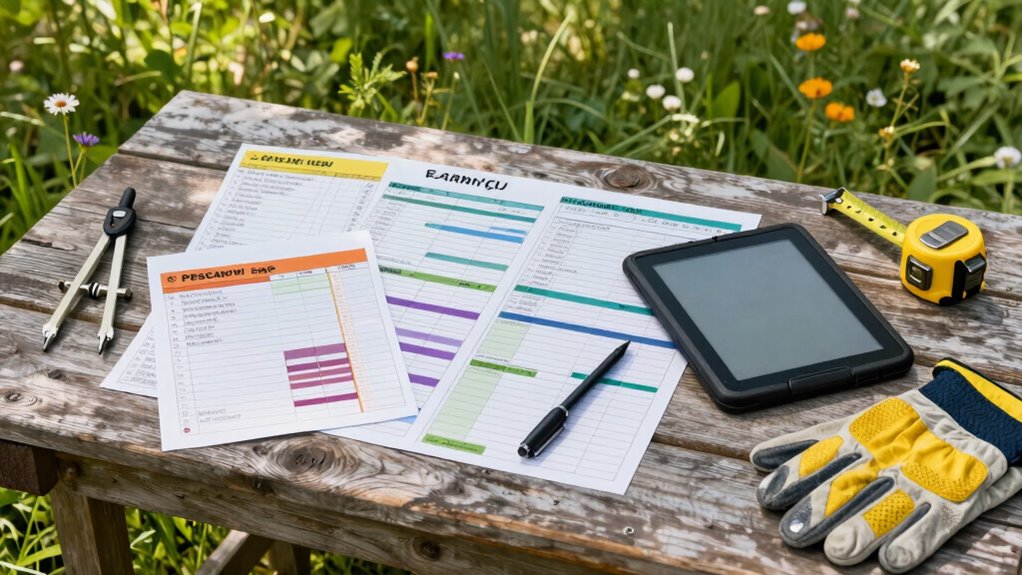
Have you ever found yourself unprepared in the field, wishing you had a tailored checklist to keep everything organized? Creating your own field checklist is a game-changer, especially when it comes to ensuring you don’t overlook the basics. It’s not just about remembering tools and supplies; it’s about establishing a reliable system that prioritizes equipment maintenance and safety protocols. When you build your checklist, you’re setting a foundation that keeps your work efficient and safe, no matter the situation.
Start by identifying the core tasks you perform regularly. Think about the tools you use daily, and consider what’s essential for your equipment maintenance. Regular checks of your gear, such as inspecting for damage or wear, can prevent failures during critical moments. Include steps to verify batteries, calibrate instruments, and clean equipment to maintain optimal performance. This not only prolongs the lifespan of your tools but also ensures accuracy and safety. Remember, neglecting equipment maintenance can lead to costly delays or accidents, so your checklist should emphasize preventive care. Incorporating preventive maintenance into your routine can help catch issues early and extend the longevity of your equipment. Additionally, understanding the importance of equipment longevity can motivate consistent upkeep and reduce replacement costs. Being aware of biodiversity and how it influences your work environment can also guide your safety and conservation practices in the field.
Safety protocols are equally vital. Develop a clear, step-by-step routine to follow before and during your fieldwork. This might include donning appropriate personal protective equipment, reviewing site-specific hazards, and establishing emergency procedures. Your safety checklist should remind you to check for environmental risks like unstable terrain, weather conditions, or exposure to hazardous materials. Incorporate quick-access contacts for emergency services or colleagues. Making safety protocols a routine part of your checklist helps ingrain them into your daily activities, reducing the chance of oversight that could jeopardize your well-being.
As you build your checklist, tailor it to your specific needs and environment. Use simple language, and organize items logically—group similar tasks together, such as equipment checks, safety gear, and documentation. Keep it concise but comprehensive enough to cover all critical areas. Digitally, you can use apps or spreadsheets for easy updates, or go traditional with a printed list. The key is consistency: review and update your checklist regularly to adapt to new situations or equipment changes.
In the end, creating your own field checklist isn’t just about remembering tasks; it’s about empowering yourself to work smarter, safer, and more reliably. When you have a clear plan in place, you’ll find yourself less stressed and more confident, knowing you’re prepared for whatever the field throws your way. With a well-thought-out checklist that emphasizes equipment maintenance and safety protocols, you’ll stop overlooking the basics and start focusing on the work that matters most.
personal protective equipment safety gear
As an affiliate, we earn on qualifying purchases.
As an affiliate, we earn on qualifying purchases.
Frequently Asked Questions
How Often Should I Update My Field Checklist?
You should update your field checklist regularly, ideally every three to six months, to guarantee it reflects current safety protocols and field maintenance needs. Frequent updates help you catch any overlooked hazards and adapt to new equipment or procedures. Staying proactive keeps your team safe and ensures compliance. Make it a habit to review and revise your checklist regularly, especially after incidents or changes in the field environment.
What Tools Are Best for Creating Checklists?
Did you know that 85% of field workers prefer digital tools for checklists? For creating checklists, digital templates and mobile apps are your best options. They offer easy customization, quick updates, and offline functionality, making your workflow more efficient. Mobile apps like Evernote or Trello let you access checklists on the go, ensuring you never forget essential steps. Choose tools that suit your needs for seamless, effective field management.
How Do I Customize a Checklist for Different Fields?
To customize a checklist for different fields, you should tailor it using field-specific details and prioritize relevant tasks. Incorporate customization strategies like adding unique steps, adjusting language to suit each field, and including specific standards or regulations. Regularly review and update your checklist based on feedback and evolving requirements. This approach guarantees your checklists remain practical, efficient, and aligned with each field’s unique needs.
Can Checklists Improve Team Communication?
Checklists act like a compass, guiding your team through complex tasks and sharpening communication. They enhance team collaboration by providing a clear map, reducing misunderstandings and boosting checklist accuracy. When everyone follows the same steps, it’s like a well-choreographed dance. This clarity minimizes errors, speeds up processes, and keeps everyone on the same page, transforming chaotic efforts into harmonious teamwork.
What Are Common Mistakes When Building Checklists?
When building checklists, you might overlook checklist accuracy, leading to incomplete or confusing items. A common pitfall is making the list too lengthy or vague, which causes confusion and reduces effectiveness. You should also avoid assuming everyone understands the items without clarification. To prevent these mistakes, keep your checklist clear, concise, and regularly review it for precision. This way, you’ll guarantee your team stays on track and avoids costly errors.
As an affiliate, we earn on qualifying purchases.
Conclusion
Creating your own field checklist keeps you prepared and confident, ensuring you never overlook essential tasks. Imagine you’re inspecting a construction site; with a tailored checklist, you quickly identify safety hazards before they become issues, saving time and avoiding costly mistakes. By customizing your list to fit your specific needs, you stay organized and focused. Don’t rely on memory—build your checklist today and master the basics for smooth, efficient fieldwork every time.
equipment maintenance kit for fieldwork
As an affiliate, we earn on qualifying purchases.
As an affiliate, we earn on qualifying purchases.
As an affiliate, we earn on qualifying purchases.
Fall yard work Picks
leaf blowers
As an affiliate, we earn on qualifying purchases.