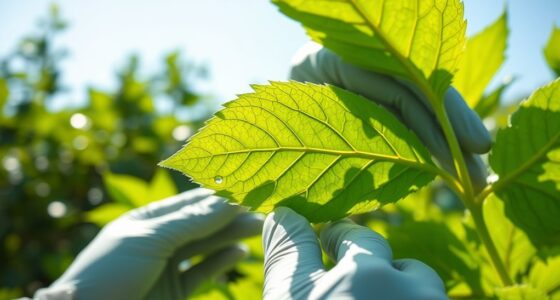
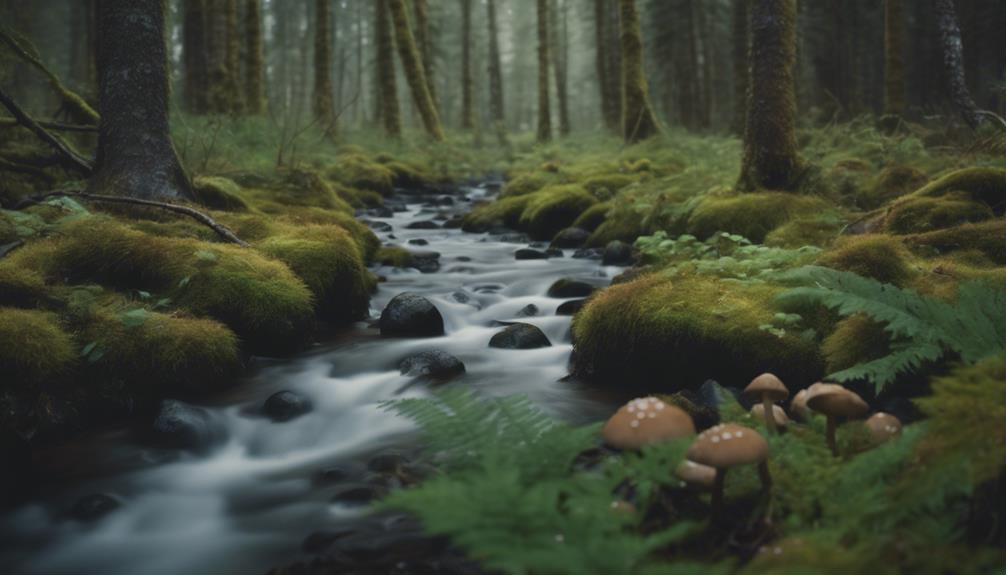
To find the best foraging zones, pay attention to seasonal cues like plant ripening times and animal migration patterns, which tell you when resources are abundant. Look for natural signs such as lush vegetation near water, animal tracks, or disturbed plants. Be aware of predator activity by recognizing signs of their presence and avoid high-risk areas. By observing these landscape signals and understanding animal behavior, you’ll spot productive zones more effectively—you’ll discover even more insights as you explore further.

Get garden gear delivered free with Prime
- Fast, free delivery on millions of items
- Prime Video, Amazon Music and more included
- Member-only deals all year
Key Takeaways
- Observe seasonal plant ripening and animal migration patterns to identify optimal foraging times and locations.
- Recognize landscape cues like lush vegetation, water sources, and animal trails indicating resource abundance.
- Detect signs of predator activity such as tracks, scat, or disturbed vegetation to avoid dangerous zones.
- Balance resource-rich areas with natural barriers and safe habitats to minimize predator encounters.
- Develop keen landscape reading skills to interpret natural signals and adapt to changing environmental conditions.

Finding the right foraging zones is essential for gathering food efficiently and sustainably. When you understand how landscapes change with the seasons, you can identify the best spots to find edible plants, insects, or small game. One key aspect to consider is seasonal migration, both of the food sources themselves and of animals that might serve as prey. For example, certain berries or nuts ripen at specific times of the year, and knowing when these are abundant helps you plan your foraging trips. Similarly, animals often move to different areas as seasons shift, so tracking these patterns allows you to locate reliable food sources while avoiding areas with fewer resources. By paying attention to these seasonal movements, you can maximize your harvest and reduce unnecessary wandering, which is crucial for sustainable foraging.
Additionally, understanding leadership skills such as keen observation and strategic planning enhances your ability to interpret landscape cues effectively. Alongside seasonal migration, predator avoidance plays a vital role in selecting productive zones. Predators tend to frequent certain areas, especially those with dense cover or high prey activity. If you learn to read the landscape, you’ll notice signs of predator presence, such as tracks, scat, or disturbed vegetation. Avoiding these zones not only keeps you safe but also helps prevent disturbing the local ecosystem. Choosing areas with natural barriers like thickets, rocky outcroppings, or water bodies can help you stay hidden from predators and avoid confrontations. By understanding predator behavior and habitat preferences, you can position yourself in safer zones that still offer abundant food sources. This strategic approach ensures your foraging remains sustainable, as you avoid over-exploiting vulnerable areas or disturbing wildlife unnecessarily.
Reading the landscape involves observing subtle cues—like changes in plant growth, animal trails, or water flow—that indicate the presence of food or danger. For instance, lush patches of edible plants near water sources often mark reliable foraging zones, but these areas may also attract predators. Recognizing which zones are rich in resources and which are risky helps you balance your needs with safety and conservation. As you develop your skill in landscape reading, you’ll find that the best foraging spots aren’t always the most obvious. Instead, they’re the places that tell a story of seasonal cycles, animal movements, and predator activity. By tuning into these natural signals, you can plan your foraging trips more effectively, ensuring you gather enough food without compromising the environment or your safety. The key is to stay observant, adaptable, and respectful of the land’s rhythms.
Frequently Asked Questions
How Do Seasonal Changes Affect Foraging Zone Productivity?
Seasonal changes considerably impact foraging zone productivity by altering seasonal plant cycles and animal migration patterns. You’ll find lush, nutrient-rich areas during spring and summer when plants flourish, while fall and winter may reduce availability. Animal migration patterns shift, bringing different species to foraging zones at various times. By understanding these seasonal dynamics, you can better predict when specific zones will be most productive and optimize your foraging efforts accordingly.
Can Urban Environments Be Effective Foraging Zones?
Urban environments can be surprisingly effective foraging zones, with studies showing that city parks and green spaces often host over 150 wild edible plant species. You can find wild food hotspots in these areas, making urban foraging a viable option. By paying attention to urban foraging cues, you’ll discover abundant resources right in your city, helping you connect with nature and access fresh, wild foods close to home.
What Tools Assist in Identifying Productive Foraging Areas?
You can use satellite imagery and vegetation indices to identify productive foraging areas. Satellite imagery provides detailed visuals of land cover, while vegetation indices like NDVI help you assess plant health and abundance. By analyzing these tools, you spot lush, thriving zones ideal for foraging. Combining satellite data with vegetation indices allows you to efficiently locate rich, sustainable foraging zones in urban or natural environments.
How Does Climate Variability Influence Foraging Zone Sustainability?
Did you know that climate variability can reduce foraging zones by up to 30%? It impacts habitat connectivity, making it harder for wildlife to access crucial resources, which threatens climate resilience. You need to adapt your strategies by monitoring changing patterns and ensuring that habitat corridors remain intact, so species can migrate and forage effectively despite shifting conditions. This proactive approach helps sustain productive zones amid climate fluctuations.
Are There Specific Signs Indicating High-Quality Foraging Zones?
You can identify high-quality foraging zones by spotting key flora indicators like lush, diverse plant life and blooming flowering plants, which signal rich nutrients. Fauna signs, such as frequent bird or insect activity, tracks, and feeding marks, also indicate abundant food sources. Trust these signs to guide you toward productive areas, as healthy ecosystems attract abundant wildlife and healthy plant growth, making them ideal for foraging.
Conclusion
As you scan the landscape, you might notice a sudden shift in bird activity near that cluster of trees—coincidence or a hidden clue? By paying close attention to these subtle signs, you’ll uncover the most productive foraging zones. Sometimes, nature whispers its secrets in the most unexpected places. Trust your observations; the landscape holds the answers. With a keen eye, you’ll find the zones that turn effort into abundant reward every time.
Fall yard work Picks
leaf blowers
As an affiliate, we earn on qualifying purchases.