

When you start feeling tired or your focus wanes, it’s time to wrap up your foraging trip. Stick to your planned departure time or distance from the exit point, and avoid pushing past your energy limits. Gather your equipment, double-check your finds, and head back slowly and safely. Staying aware of your condition helps prevent mistakes and guarantees a safe return. Keep going, and you’ll discover more tips to make your exit smooth and responsible.

Get garden gear delivered free with Prime
- Fast, free delivery on millions of items
- Prime Video, Amazon Music and more included
- Member-only deals all year
Key Takeaways
- Recognize signs of fatigue and decide to conclude the trip early for safety.
- Communicate your plan to the group and ensure everyone is aware.
- Collect and secure all tools, containers, and finds before leaving.
- Follow established paths and environmental guidelines during departure.
- Prioritize safety and environmental respect when wrapping up the foraging session.
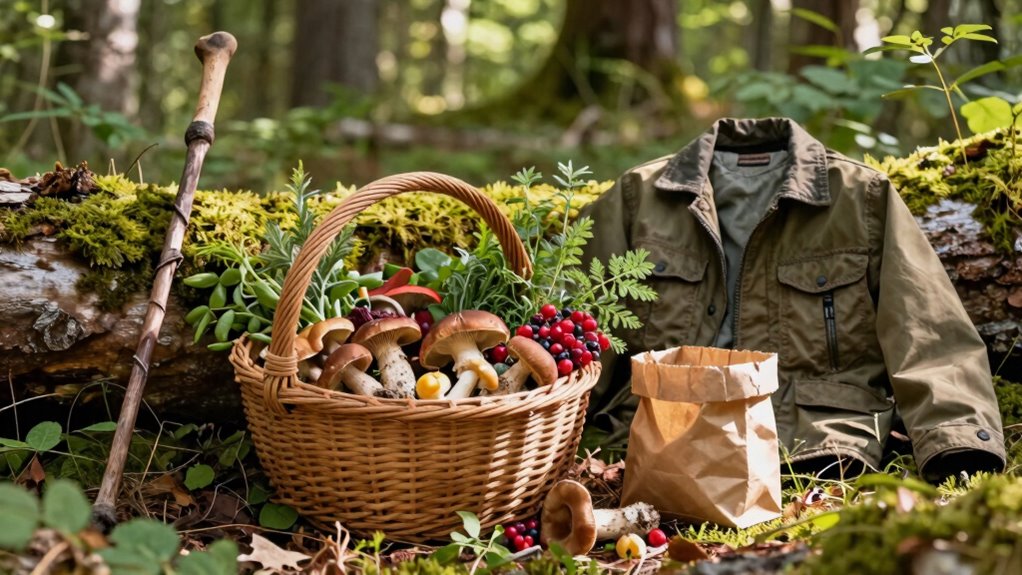
After a successful foraging trip, knowing how to properly end it guarantees safety and preserves your resources. When you’re ready to wrap up, take a moment to confirm you’ve prioritized wildlife safety. Avoid disturbing local animals or their habitats as you pack up. Make sure you leave the area as undisturbed as possible, respecting the environment and other foragers who might follow. This not only helps maintain the ecosystem but also keeps you in good standing with local regulations and communities. Being mindful of wildlife safety means avoiding any actions that could harm animals or damage plants, such as trampling fragile vegetation or leaving behind waste. Keep your movements slow and deliberate, and steer clear of areas that seem overly disturbed or sensitive. Additionally, practicing biodiversity preservation during your exit helps support the health of the local ecosystem.
Prioritize wildlife safety, leave no trace, and respect the environment to ensure a responsible and sustainable foraging experience.
Next, perform an equipment check before you leave. Gather all your tools—knives, baskets, gloves, and any other gear—and ensure nothing gets left behind. Double-check your collection containers to confirm you haven’t accidentally taken anything you shouldn’t, like protected plants or species. Properly storing your finds helps prevent spoilage or damage during transit. Also, inspect your equipment for any damage or wear that could compromise safety on your next outing. Cleaning and drying your tools now will extend their lifespan and ensure they’re ready for your next trip. If you used any potentially harmful substances, such as pesticides or chemicals, make sure you dispose of or clean those responsibly. Proper equipment management minimizes environmental impact and keeps your gear in top shape.
As you prepare to leave, consider your transportation route out of the area. Stick to established paths to avoid unnecessary trampling of plants or disturbing wildlife. If you’re traveling with others, communicate your plans clearly, so everyone departs together and no one gets lost or left behind. Take a final look around your foraging site to ensure no trash or waste is left behind, and that any tools or containers are packed away. Leaving a clean site helps preserve the area for future foragers and maintains the natural beauty of the environment. Remember to be aware of local regulations to ensure you are complying with conservation rules and guidelines.
Finally, check the weather forecast and plan your departure accordingly. It’s better to leave before adverse weather conditions set in, which could make your return dangerous or difficult. Once you’re ready, head back calmly and confidently, carrying only what you need. Ending your foraging trip thoughtfully and responsibly guarantees your safety, protects wildlife, and keeps your resources intact, so you can enjoy many more successful outings.
As an affiliate, we earn on qualifying purchases.
Frequently Asked Questions
What Are the Signs of Overexertion During Foraging?
You can tell you’re overexerting yourself during foraging if you start feeling persistent fatigue and a need for rest, even after brief breaks. Signs also include dizziness, muscle weakness, and dry mouth, indicating hydration needs aren’t met. When these symptoms appear, it’s best to stop, rest, and hydrate to prevent exhaustion from worsening. Listening to your body helps you avoid serious fatigue and keeps your foraging safe and enjoyable.
How Do Weather Changes Impact Foraging Trip Decisions?
Weather changes are like unpredictable waves, making your foraging trip more uncertain. You should keep an eye on weather forecasting and seasonal shifts, which can signal storms, heavy rain, or sudden temperature drops. These factors influence safety and the availability of forage. If the forecast predicts adverse weather, it’s wise to conclude your trip early to avoid risks and guarantee you’re not caught unprepared in dangerous conditions.
What Safety Gear Should I Carry for Quick Departure?
You should carry essential safety gear like a first aid kit to handle minor injuries, and emergency signaling tools such as whistles or a mirror for quick communication if you need help. Make sure your gear is lightweight and easy to access, so you can leave promptly if weather changes or other dangers arise. Being prepared with these items allows you to react swiftly, ensuring your safety and a smooth return from your foraging trip.
How Can I Inform Others About My Foraging Plans?
You can inform others about your foraging plans by sharing your itinerary through a trusted contact or a dedicated app. Follow foraging etiquette by mentioning where you’ll go, what you plan to gather, and your expected return time. Think of sharing plans as planting a safety net—so loved ones know your whereabouts, ensuring your adventure stays safe and enjoyable. Keep communication clear and concise for everyone’s peace of mind.
What Are the Best Quick Exit Routes in Remote Areas?
If you need a quick exit in remote areas, prioritize emergency evacuation routes and enhance your navigation skills beforehand. Always carry a map, compass, or GPS device, and identify multiple escape paths. During your trip, stay aware of landmarks, trail markers, and natural features to guide you back efficiently. Knowing these routes helps you avoid dangerous situations and guarantees you can exit promptly when fatigue or emergencies arise.
As an affiliate, we earn on qualifying purchases.
Conclusion
As you near the edge of the forest, imagine you’re a seasoned sailor approaching a safe harbor. You’ve gathered your treasures, but rushing blindly could lead to stormy waters. Trust your intuition, and know when to lower your sails. By recognizing the signs of fatigue and knowing when to head back, you guarantee your adventure ends safely, leaving you enthusiastic for the next voyage. Remember, the journey’s richness lies in knowing when to return.
As an affiliate, we earn on qualifying purchases.
environmentally friendly trash bags for outdoor
As an affiliate, we earn on qualifying purchases.
As an affiliate, we earn on qualifying purchases.
Fall Picks
fall essentials
As an affiliate, we earn on qualifying purchases.