To master wild foods’ flavors like bitterness, tannins, and umami, start by harvesting only what you need, using gentle tools to preserve plant and mushroom structures. Store your ingredients properly—damp cloths for greens, paper bags for mushrooms—and consider preserving with drying or curing. Proper prep enhances flavor, with fresh herbs bringing brightness and dried mushrooms adding depth. Keep exploring these techniques to unearth the rich complexity in your wild dishes.
Key Takeaways
- Proper harvesting and storage preserve natural flavors, including bitterness, tannins, and umami, enhancing overall dish quality.
- Use gentle cooking methods like simmering or slow roasting to develop umami and mellow bitterness or tannins.
- Blanch or soak bitter greens and tannin-rich herbs to reduce harsh flavors before cooking.
- Incorporate ingredients like fats, acids, or sweeteners to balance bitterness and tannins, highlighting umami.
- Rehydrate dried wild foods gently to unlock deeper umami flavors while maintaining their nutritional value.

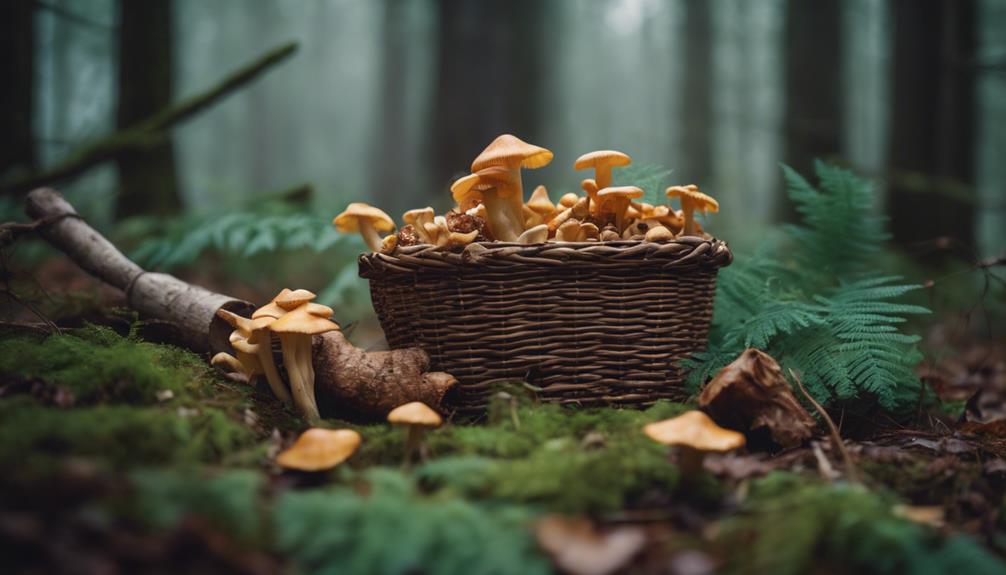
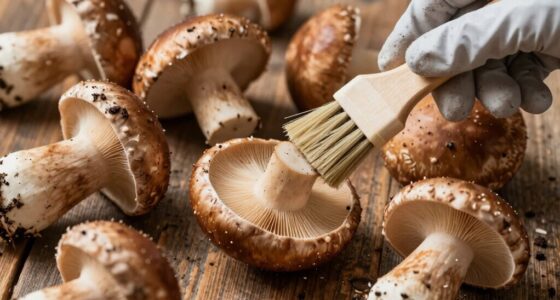
Cooking wild foods can be incredibly rewarding, but it requires understanding some basic techniques to bring out their best flavors. One of the most important aspects is knowing how to properly harvest wild ingredients. Your harvesting techniques can make the difference between a plentiful, high-quality bounty and a spoilage-prone, less flavorful harvest. Always aim to pick only what you need, and do so sustainably—leave enough behind so the plants or fungi can regenerate. When gathering greens or herbs, use clean scissors or knives, and cut carefully to avoid damaging the root systems. For mushrooms, identify species confidently before harvesting, and use a gentle twisting motion rather than pulling to prevent breaking the mycelium underground. Proper harvesting not only conserves the source but also guarantees your wild foods are at peak flavor and nutritional value.
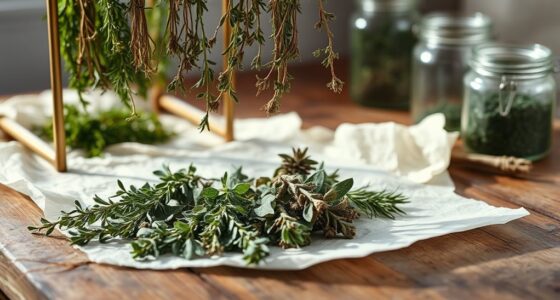
Once you’ve collected your wild ingredients, proper storage methods become essential to preserve their flavor and freshness. Many wild foods are delicate and can deteriorate quickly if not stored correctly. For leafy greens or herbs, refrigerate them in a damp cloth or paper towel inside an airtight container, and aim to consume them within a few days. Mushrooms, on the other hand, should be stored in paper bags rather than plastic, which traps moisture and causes spoilage. Keep them in a cool, dark place, and use them promptly for the best flavor. For dried wild herbs or berries, airtight containers stored in a cool, dark spot help maintain their aroma and potency for months. Freezing can be an option for some wild foods, but always consider the texture and moisture content; some ingredients hold better when dried or cured.
Understanding these harvesting techniques and storage methods directly impacts your cooking process. Freshly harvested wild foods tend to have the most vibrant flavors, especially when preparing dishes that highlight their natural bitterness, tannins, or umami qualities. For example, young greens or tender herbs can be added raw or lightly cooked, whereas more robust ingredients like dried mushrooms or preserved berries might require rehydration or slow cooking to develop their depth of flavor. Proper storage guarantees you’re working with ingredients that have retained their characteristic bitterness or umami, allowing you to balance these flavors effectively in your dishes. By mastering these foundational skills, you’ll elevate your wild foods cooking, making each meal a celebration of nature’s bounty, full of rich, complex flavors.
Frequently Asked Questions
How Can I Identify Wild Foods With Bitter, Tannin, or Umami Flavors?
To identify wild foods with bitter, tannin, or umami flavors, focus on their flavor profiles through taste testing and observation. Use identification techniques like examining leaf shapes, textures, and smells, and note any bitter or tannic sensations when touched or tasted. Umami-rich wild foods often have savory, meaty flavors. By combining sensory clues with visual cues, you can confidently recognize these flavor profiles in wild foods.
What Safety Precautions Should I Take When Foraging for Wild Foods?
Think of wild food harvesting as walking a tightrope—you need balance and awareness. Always identify plants carefully and avoid any with unfamiliar or suspicious features. Stay vigilant about poisonous plant awareness, because one wrong step can be dangerous. Use a reliable field guide, consult experienced foragers, and never consume anything you’re unsure about. Safety first keeps your wild food adventure both exciting and safe.
Are There Any Health Risks Associated With Consuming Wild Bitter or Tannin-Rich Plants?
Consuming wild bitter or tannin-rich plants can pose health risks due to potential toxic compounds and allergic reactions. You should identify plants carefully, as some may contain harmful substances that can cause nausea, vomiting, or more serious issues. Always start with small amounts to test your tolerance, and consult reliable foraging guides or experts. If you experience adverse effects, seek medical attention promptly to avoid serious health complications.
How Do Different Cooking Methods Affect the Flavor Profiles of Wild Foods?
Different cooking techniques markedly influence wild foods’ flavor profiles. Boiling or blanching can reduce bitterness and tannin content, making flavors milder and more palatable. Sautéing or roasting enhances umami and deepens overall taste, preserving essential flavors. Steaming preserves delicate flavors and nutrients, while slow cooking can mellow harsh notes. By choosing appropriate methods, you control flavor preservation, balancing bitterness, tannins, and umami to suit your taste preferences.
Can Wild Foods Be Safely Combined With Cultivated Ingredients in Cooking?
Yes, you can safely combine wild foods with cultivated ingredients in cooking. When you pair cultivated ingredients with wild foods, focus on flavor harmony to create balanced dishes. Experiment by blending flavors thoughtfully, considering the bitterness, tannins, and umami of wild ingredients. This approach enhances your culinary experience, allowing wild foods to complement cultivated ones, resulting in unique, delicious meals that showcase the best of both worlds.
Conclusion
Now that you’ve learned to tame bitter, tannin, and umami flavors, your wild foods become a canvas for your culinary adventure. Picture yourself stirring a simmering pot, the aroma of earthy greens and savory notes swirling around you. With each gentle touch, you transform wild ingredients into a delicious masterpiece. Embrace the process and savor the journey—your table is now a forest of flavors waiting to be explored.