
TL;DR
Homes & Gardens has published a shopping guide featuring 16 wildlife cameras and camera-equipped feeders and nest boxes for garden use. The report says the devices can record animal activity, including at night, and help gardeners identify which wildlife visits or damages plants. It does not provide comparative test results or evidence that the listed products perform equally well.
Homes & Gardens has published a guide to 16 wildlife cameras designed to record animals visiting gardens, from birds at feeder-mounted cameras to nocturnal wildlife captured by general-purpose devices. The report presents the products as tools for observing wildlife and identifying animals affecting crops, but does not provide a comparative test or claim that every camera suits every garden.

Get garden gear delivered free with Prime
- Fast, free delivery on millions of items
- Prime Video, Amazon Music and more included
- Member-only deals all year
The guide describes several types of equipment. Smart bird feeders with integrated cameras are intended to capture close-up footage of birds feeding, while dedicated smart hummingbird feeders target gardens visited by hummingbirds. It also points to an owl nest box with a camera for observing activity around a nesting or shelter site.
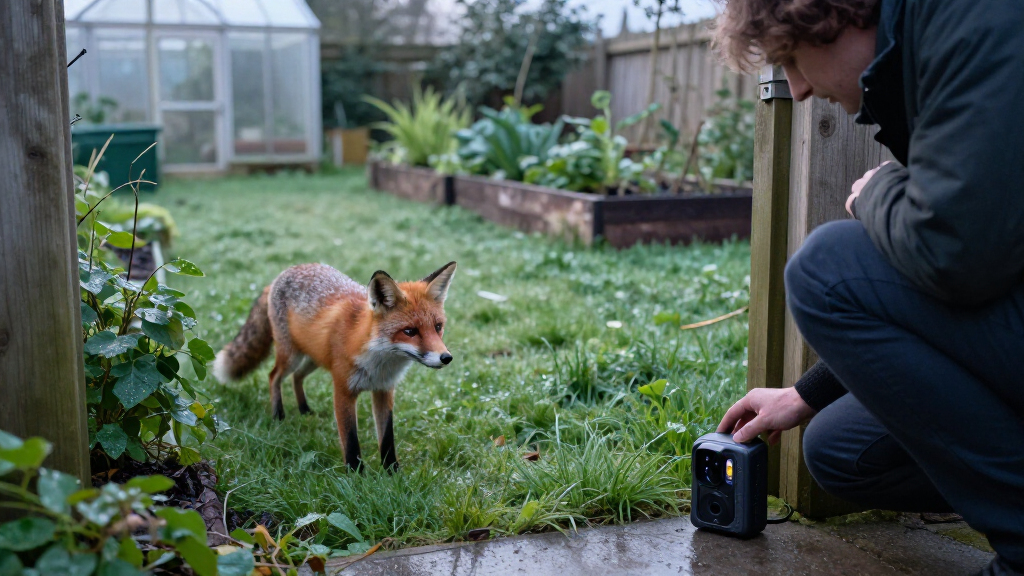
For broader monitoring, the article describes smaller cameras that can be attached to a pole or post and used around particular parts of a yard. Some have night vision, which may allow owners to record activity after dark. The report suggests these cameras could help identify animals such as deer, rabbits and rodents when they visit planting areas, though it does not document a specific garden incident or provide footage as evidence.
Homes & Gardens frames the guide as a selection of 16 product options, rather than a formal trial. The supplied report does not state how products were tested, rank them by measured performance, or give details such as recording resolution, battery life, storage arrangements, connectivity, prices or warranties. Its examples link to products sold through retailers, but the source material does not include independent verification of their features.
How Camera Footage Can Guide Garden Care
For gardeners, the practical value of recording visits is that it can replace guesswork with observations about which animals use a space and when. A camera aimed at a damaged crop or a feeding area may help distinguish among visitors. That information could inform decisions about what food to provide, which native plants to grow, or where a shelter might be useful. The source presents these as potential uses, not guaranteed outcomes.
Observation can also shape how people make room for wildlife. The report suggests building a brush pile as shelter for birds, mammals and insects, particularly in fall before colder weather arrives. Knowing which species are present may help a gardener decide whether that kind of shelter fits the yard. The article does not offer species-specific guidance or establish that a camera is needed to make such changes.
The cameras may also serve a practical garden-monitoring purpose by helping identify animals feeding on crops. That does not mean the devices prevent damage: they record activity, while any response would be a separate decision. The report mentions an ultrasonic animal repellent as one possible product, but supplies no evidence about its effectiveness or guidance on its use.
Popular right now

Bose QuietComfort Wireless Noise Cancelling Headphones – Petal Pink Limited Edition

TCL 85-Inch QM64L QD-Mini LED 4K Smart Fire TV

Samsung 65-Inch M70H Series 4K Mini LED Smart TV (2026)
As an affiliate, we earn on qualifying purchases.
A Guide Covering Several Camera Styles
The source is a Homes & Gardens shopping and gardening report, not a study of wildlife populations or a news release from a camera manufacturer. Its central point is that garden cameras come in different forms for different observation needs: equipment integrated into feeders or nest boxes, and more general cameras positioned to monitor selected areas.
The article connects recording wildlife with broader garden choices, including providing food, planting native species and making simple shelters. It specifically names a brush pile as a possible habitat feature and says fall is a useful time to create one ahead of winter. These recommendations are presented as gardening advice; the material does not report new research or quantify effects on local wildlife.
““wildlife cameras have more use than one in the garden.””
— Homes & Gardens report
Product Performance and Testing Details
The source does not say whether the 16 products were independently tested, how they were selected, or what criteria were used to describe them as suitable for gardens. It also does not provide comparative data on image quality, motion detection, night recording, reliability, price or ease of installation. Readers therefore cannot use the supplied report alone to determine which model performs best or offers the best value.
The article does not identify a particular garden, animal encounter or verified example of footage revealing an otherwise unnoticed visitor. It also provides no figures on how often animals visit gardens or how much crop damage cameras might help prevent. The specific product links and current availability may change, and those details are not confirmed in the source material.
There is also no detailed guidance in the report about camera placement, data storage, privacy considerations or how to avoid disturbing animals. Those factors may depend on the product and location. The guide’s broad descriptions should not be read as confirmation that every device has the same capabilities or is appropriate for every wildlife setting.
Check Features Before Choosing a Camera
The supplied report does not announce a follow-up investigation, testing program or scheduled update. For readers considering a camera, the next step is to check the manufacturer’s specifications and current retailer listing for the particular model, especially its night-recording capability, power source, storage method and mounting requirements. Those features are not compared in the source material.
Gardeners can also decide what they want to observe before choosing a device: feeding activity, a nest box, or movement through a specific planting area. Any changes to food, plants or shelter can then be based on what the camera records, while recognizing that the article does not establish which intervention will work for a given yard. No further publication date or product update is provided.
Key Questions
What does the Homes & Gardens guide cover?
It features 16 wildlife cameras and camera-equipped products, including smart bird feeders, a hummingbird feeder, an owl nest box and general-purpose cameras for monitoring garden areas.
Can a wildlife camera help identify an animal damaging plants?
The report says a camera aimed at a garden area can record visitors and may help identify animals feeding on crops. It does not provide a documented case or guarantee that a camera will capture the animal responsible.
Do all the cameras record at night?
No such claim is made for every product. The report says some general-purpose wildlife cameras have night vision; readers should check the specifications of an individual model.
Does the report compare the cameras in testing?
The supplied material does not describe a test or provide comparative performance data. It is a product guide, and it does not rank the 16 options by measured results.
What garden change does the article suggest?
It mentions a brush pile as a possible shelter for birds, mammals and insects, with fall offered as a time to prepare one before winter. This is a general suggestion, not a camera-specific requirement.
Source: rss