TL;DR

Get garden gear delivered free with Prime
- Fast, free delivery on millions of items
- Prime Video, Amazon Music and more included
- Member-only deals all year
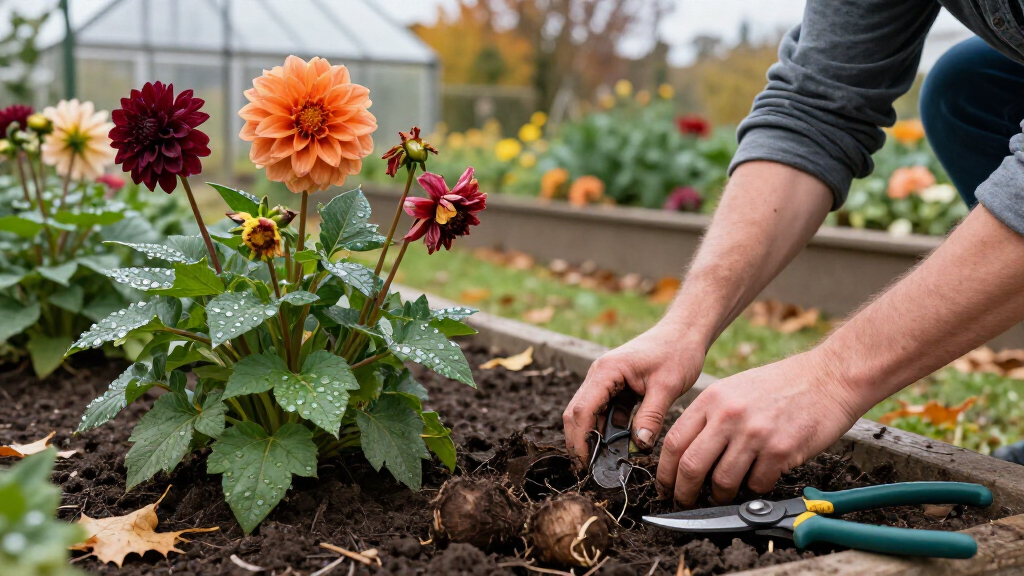
Gardeners should deadhead dahlias that are still flowering in October, but leave healthy foliage intact until the first frost blackens it. After frost, cut back the stems and either lift and store the tubers or protect them in the ground with mulch; local conditions affect the choice.
An Ideal Home report advises dahlia growers to deadhead plants that are still flowering in October, leave healthy foliage standing and cut stems back only after the first frost blackens the leaves. The sequence is intended to let plants continue blooming and give their tubers time to store energy before winter.
For dahlias still in bloom, the report recommends removing spent flowers to encourage further flowering. Ross Dyke, consultant horticulturist at Hornby George and host of The Plant Pod, says gardeners should watch the weather and allow blooms to continue for as long as conditions permit. The advice applies whether dahlias are growing in pots or garden borders.
When flowering ends, gardeners should not automatically cut the plants down. Annelise Brilli, a horticultural expert at Thompson & Morgan, advises leaving dahlias alone while their foliage remains healthy. She says cutting back after frost has blackened the leaves gives the plant time to replenish energy in the tuber.
Once frost has damaged the foliage, Dyke recommends cutting down the stems with clean, sharp secateurs and choosing whether to lift the tubers for winter or leave them in the ground. Tubers that are lifted should be kept somewhere cool and dry. For plants left outdoors, Dyke suggests applying a good layer of mulch to help shield them from cold and wet conditions.
Frost Sets the Cutback Timing
The advice matters because cutting foliage too early can interrupt the plant’s seasonal cycle. The experts cited by Ideal Home recommend letting healthy leaves remain until frost blackens them, allowing the plant to direct energy into its tubers before winter. That timing is different from simply cutting back as soon as flowers fade.
October conditions are not the same everywhere. Gardeners who wait for signs of frost can respond to their own local weather rather than treating the calendar date as a fixed signal. The report’s options after frost—lifting or mulching—also give growers a choice based on their garden and winter conditions.
Popular right now

Breville BES870XL Barista Express Espresso Machine, Brushed Stainless Steel

Ninja Specialty Coffee Maker CM401, 10-Cup Carafe, Fold-Away Frother, Black

eufy E25 Robot Vacuum and Mop Combo with HydroJet Roller Mop
As an affiliate, we earn on qualifying purchases.
Three Stages of October Care
The report frames the work around the plant’s condition and the point in the month. Early in October, many dahlias may still be flowering, so the immediate task is to remove spent blooms and keep enjoying the display. The report says October weather may remain mild, though colder parts of the UK could see frost later in the month.
After flowering, healthy foliage should remain in place. The final task begins only after a proper frost has turned the leaves black or caused them to die back. At that point, gardeners can cut the stems and decide how to protect the tubers. The report does not give a single date for this step because frost timing depends on local weather.
“In October, I would keep an eye on the weather and let the flowers continue for as long as possible.”
— Ross Dyke, consultant horticulturist at Hornby George and host of The Plant Pod
Local Frost Dates Remain Variable
The report does not specify when frost will arrive in any particular garden, and its reference to a mild October forecast is not a location-specific forecast for every reader. The date for cutting back therefore remains weather-dependent. It also does not set out detailed storage instructions, name a specific mulch depth or establish which wintering option is right for every site. Gardeners should base the timing on the condition of their own plants and local temperatures.
Watch Plants and Weather
For now, gardeners can check plants regularly, remove spent blooms while flowering continues and leave healthy foliage intact. After the first frost blackens or kills the leaves, they can cut back the stems and decide whether to lift the tubers for cool, dry storage or leave them outdoors beneath mulch. The next step for each garden will depend on when frost arrives and which winter-protection method the grower chooses.
Key Questions
Should I cut back dahlias as soon as they stop flowering?
No. The report advises leaving dahlias alone while their foliage is healthy, even after flowering ends. Cut the stems back after frost has blackened the leaves.
Should I deadhead dahlias in October?
Yes, if they are still flowering. Remove spent flowers to help maintain the display, and keep an eye on weather conditions.
What should I do with dahlia tubers after frost?
After frost damages the foliage, cut down the stems and choose whether to lift the tubers for cool, dry storage or leave them in the ground with a protective layer of mulch.
When should I cut back dahlias in October?
Wait until the first proper frost blackens or kills the foliage. Frost dates vary by location, so the report does not give one date that suits every garden.
Source: rss