TL;DR

Get garden gear delivered free with Prime
- Fast, free delivery on millions of items
- Prime Video, Amazon Music and more included
- Member-only deals all year
An Amateur Gardening report outlines seven ways to support garden birds in winter while reducing risks around feeders: feed seasonally, clean equipment, offer modest amounts and keep water fresh. It also recommends leaving seed heads and planting berries for natural food and shelter. The guidance is practical advice, not a report of a new policy or research finding.
Amateur Gardening has published a seven-part guide to feeding garden birds safely through winter, recommending seasonal feeding, regular cleaning of feeders and bird baths, and planting or retaining natural food sources. The advice matters because feeders can bring birds together, and the report says the RSPB has warned that disease can spread at crowded feeding sites.
The guide recommends putting out supplementary food during the colder months, which it defines as 1 November to 30 April, and pausing feeder feeding from 1 May to 31 October, when seeds and insects may be more available in gardens. Suggested winter foods include birdseed, peanuts and fat or suet balls. These dates are the report’s suggested seasonal schedule, rather than a requirement that applies to every garden or bird.
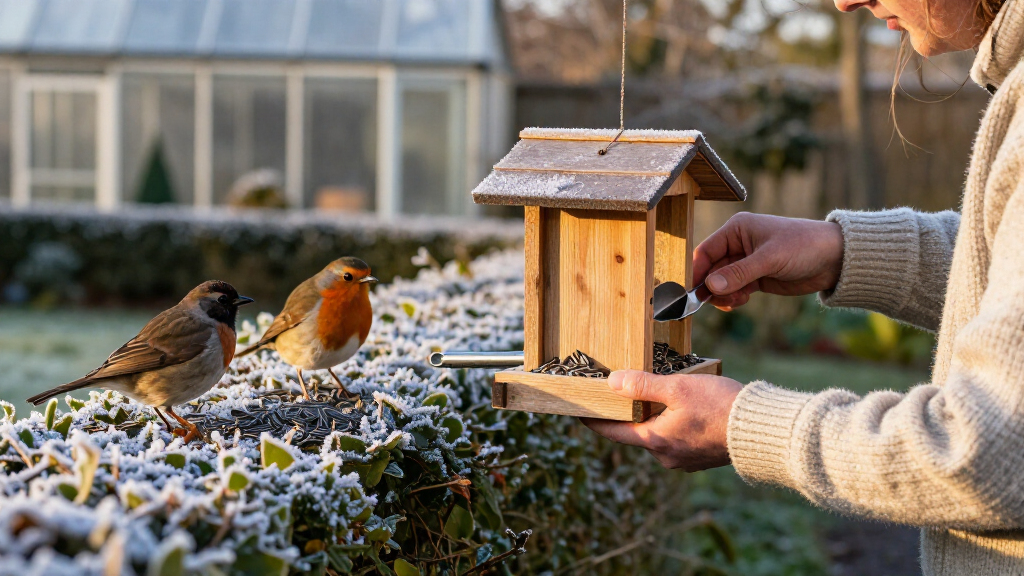
Its disease-prevention advice focuses on reducing contamination and crowding. Hang feeders rather than scattering food on flat surfaces, clean feeders weekly with warm soapy water and a non-toxic disinfectant, and move feeders to a different spot each week. The report also advises avoiding locations beneath trees or near bird roosts, where droppings may contaminate food. Follow product labels for any disinfectant, and keep it away from birds, children and pets while cleaning.
Amounts and freshness matter, too: offer seed and peanuts in quantities birds can eat within one to two days, replace fat or suet balls every seven days, and keep food dry. The guide says mealworms scattered on the ground should be removed before dusk, citing possible harm to hedgehogs. For water, it recommends changing bird-bath water daily and cleaning the bath regularly, along with a simple bird-bath upgrade that can help garden birds. It specifically says to use tap water.
Safer Feeding, Better Garden Habitat
Supplementary feeding can be one part of helping birds through a period when natural food is less available, but the guide emphasizes that the way food is offered matters. Dirty, damp or crowded feeding areas can increase opportunities for disease to spread, according to the report’s account of RSPB guidance. Cleaning, moving feeders and limiting uneaten food are straightforward steps gardeners can take to reduce those risks.
The advice also shifts attention beyond feeders. Leaving seed heads and growing berry-producing plants can provide food in place, while shrubs such as holly may offer cover. A garden with natural food and shelter can support birds without relying solely on food placed at a feeder. That balance is particularly relevant where birds gather at feeding stations.
Popular right now

eufy E25 Robot Vacuum and Mop Combo with HydroJet Roller Mop

Ninja Flip Toaster Oven & Air Fryer, 8-in-1, Stainless Steel, SP151

Vitamix Propel Series 750 Professional-Grade Blender, 4 Programs, Black
As an affiliate, we earn on qualifying purchases.
Disease Risks and Seasonal Food
The report links its safety advice to trichomonosis, described as a highly contagious disease that can spread where birds gather, including at feeders. It cites a decline in greenfinches, saying their numbers have fallen by more than 65% in the last three decades. It also says greenfinches ranked seventh among birds recorded in the RSPB’s Big Garden Birdwatch when the survey began in 1979 and were 18th in the latest edition referenced by the report. The source does not specify the year of that latest count.
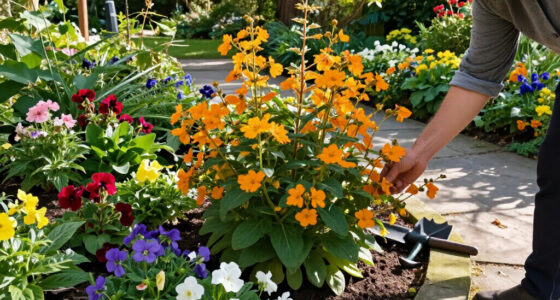
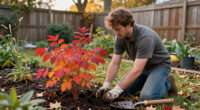
Alongside supplementary food, the article suggests leaving plants standing after flowering. Sunflowers and teasel provide seed, while coneflower and black-eyed Susan leave seed heads that birds can forage from. Hawthorn and rowan produce berries eaten by birds including thrushes and blackbirds; holly can provide both berries and cover. The guide presents these as garden habitat suggestions, not as a guarantee that birds will visit or that planting alone will reverse population declines.
““feed seasonally” and “feed safely””
— The RSPB, as quoted in the Amateur Gardening report
What the Guidance Does Not Establish
The source is a gardening advice article, not a new scientific study. It does not provide the date of publication, the latest Birdwatch year it refers to, or the underlying data and methods for the greenfinch decline figure. The decline and ranking are reported claims attributed to the article’s account of bird-monitoring information, rather than new measurements presented in the guide.
It is also not clear from the source how much risk particular feeder practices add for individual birds, or whether the recommended seasonal dates are suitable in every local climate and garden. Disease risk, food availability and bird activity can vary. Readers should treat the schedule as general guidance and consult current advice from wildlife organizations if conditions or local recommendations differ.
Practical Steps Through Winter
Gardeners following the guide can start by checking feeders and bird baths, cleaning them, and placing feeders away from roosting spots. Offer only small amounts of dry food, remove leftovers on the schedule advised, and refresh water daily. During garden tidy-up, leave suitable seed heads in place and consider berry-producing plants for future seasons.
The report does not announce a follow-up study or a formal change in wildlife policy. Its central recommendation is ongoing maintenance: keep feeding areas clean, watch for uneaten or damp food, and combine supplementary feeding with natural food and cover. Any signs of sick birds at a feeder are a reason to seek current guidance from a relevant wildlife organization before continuing to feed in the same spot.
Key Questions
When does the guide recommend feeding garden birds?
It suggests supplementary feeder feeding from 1 November to 30 April and pausing from 1 May to 31 October, when natural food may be more available. This is general advice from the report, not a universal rule.
How often should bird feeders be cleaned?
The guide recommends cleaning feeders weekly with warm soapy water and a non-toxic disinfectant. Follow the disinfectant label and keep cleaning products away from birds, children and pets.
How much food should I put out?
Offer seed and peanuts in quantities birds can eat within one to two days, and keep the food dry. The report advises changing fat or suet balls every seven days.
What can I grow or leave for birds?
The article recommends leaving seed heads such as sunflower, teasel and coneflower, and planting berry-producing shrubs such as hawthorn or rowan. It also notes that holly can provide cover as well as berries.
How should I maintain a bird bath?
Change the water every day and clean the bath regularly, the guide says. It recommends using tap water.
Source: rss