
TL;DR

Get garden gear delivered free with Prime
- Fast, free delivery on millions of items
- Prime Video, Amazon Music and more included
- Member-only deals all year
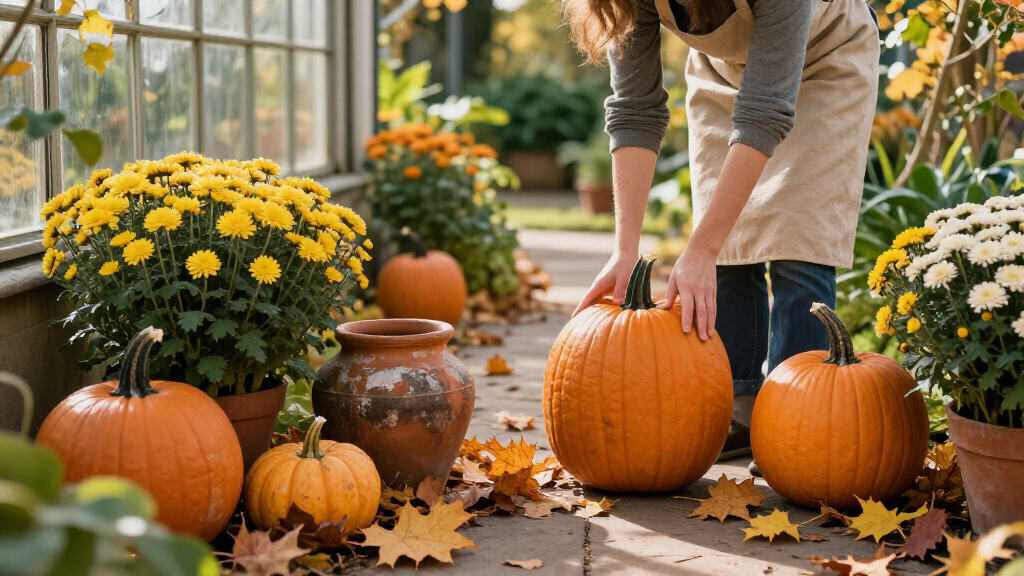
A Gardening Know How report lays out how to recreate Martha Stewart’s annual pumpkin and gourd staircase display. Experts recommend a limited color palette, varied sizes grouped in odd numbers, breathing room, and flowers and foliage to complete the arrangement.
Gardening Know How has published advice for readers who want to recreate Martha Stewart’s annual pumpkin and gourd staircase display, drawing on guidance from a luxury event producer and a gardening expert. Their recommendations focus on arranging pumpkins with a restrained color palette, flowers and foliage, offering a practical guide to a display that can otherwise look difficult to plan.
Preeti Shah, founder of Spotlight Style and a luxury event producer, recommends choosing a limited palette—for example, cream, soft sage and one deep orange—and repeating it across the display. She advises varying pumpkin sizes, grouping them in odd numbers, placing larger pieces near the corners and smaller ones toward the front, and leaving open space so the staircase remains visible.
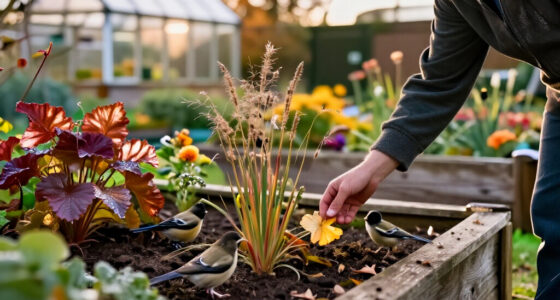
Heidi Grasman, gardening expert and co-owner of Garden Crossings, recommends treating pumpkins as accents alongside flowers and foliage. She suggests chrysanthemums for flower color, coral bells for foliage, and ornamental grass for height or trailing structure. For longer-lasting color, she says to select mums that are still in bud; for immediate color, choose plants with more open blooms.
The report names white varieties such as Casper, Lumina and Baby Boo, as well as orange Howden and Cinderella pumpkins. It also mentions the blue-gray Jarrahdale and the textured Galeux d’Eysines. For readers growing their own, it advises sowing outdoors in late May or early June, or starting seeds indoors four to six weeks before the last frost. Most varieties need at least six feet in each direction, according to the report.
A Staircase Display Made More Manageable
The expert advice turns an admired seasonal arrangement into a set of specific design choices: repeat a small group of colors, vary the scale, cluster items, and preserve open space. That can help readers plan purchases and arrange what they already have instead of relying on a large collection of matching pumpkins.
The report also emphasizes that the display’s look depends on more than pumpkins. Mums, foliage and ornamental grasses add color and shape, while pumpkins become part of a broader planting scheme. This approach gives readers options to adapt the display to their porch, available plants and preferred colors.
Popular right now

Ninja Crispi Microwave and Air Fryer with FusionCrisp, Silver, MW101

Vitamix 5200 Blender with 64 oz. Container, Black

Samsung 43-Inch M70H Series 4K Mini LED Smart TV (2026)
As an affiliate, we earn on qualifying purchases.
From Seasonal Display to Garden Plan
The report presents Stewart’s autumn staircase as an annual inspiration point and notes that readers often ask how to reproduce the effect. Its guidance comes from interviews with Shah and Grasman; it does not report a new display by Stewart or an announcement from her.
For those who want to grow pumpkins for a later fall, the article says to sow two seeds per planting station and snip the weaker seedling at soil level after both sprout. It advises watering as fruits develop, then harvesting when the skin is hard and the stem dry. The pumpkins should be cured in a warm spot for 10 to 14 days, according to the report.
“A pumpkin display looks designed when it has a plan.”
— Preeti Shah, founder of Spotlight Style and luxury event producer
Details the Report Does Not Specify
The source does not provide a new statement from Stewart, identify the year or date of the display it describes, or give a measured estimate of how many pumpkins are needed. Its growing and design suggestions are general guidance; results will depend on the variety, local frost timing, growing conditions and available space.
The article also does not establish that every pumpkin variety listed is used in Stewart’s own display. It presents them as options for readers, rather than a confirmed inventory of her arrangement.
Plan This Fall or Sow for Next
Readers can apply the design advice to a display this fall by choosing a palette, combining different pumpkin sizes in odd-numbered groups and adding mums and foliage. The arrangement can then be adjusted to leave the steps clear and maintain visual balance.
For a homegrown display next year, the report recommends planting around the local last-frost schedule and allowing room for the vines. It gives no follow-up date or announcement; the next step for readers is to select plants or seeds suited to their own growing conditions.
Key Questions
What makes Martha Stewart’s pumpkin display look planned?
According to event producer Preeti Shah, use a tight color palette, vary pumpkin sizes, group them in odd numbers and leave breathing room between clusters.
Which flowers and foliage does the report recommend?
Gardening expert Heidi Grasman suggests chrysanthemums for flower color, coral bells for foliage and ornamental grasses for height or a trailing effect.
Which pumpkin varieties are mentioned?
The report lists Casper, Lumina and Baby Boo for pale colors; Howden and Cinderella for orange; and Jarrahdale and Galeux d’Eysines as distinctive options.
When should home gardeners plant pumpkins?
The report recommends sowing outdoors in late May or early June, or indoors four to six weeks before the last frost. Timing depends on local conditions.
How should harvested pumpkins be prepared for display?
Harvest when the skin is hard and the stem is dry, then cure the pumpkins in a warm spot for 10 to 14 days, according to the article.
Source: rss