
TL;DR

Get garden gear delivered free with Prime
- Fast, free delivery on millions of items
- Prime Video, Amazon Music and more included
- Member-only deals all year
Gardening Know How has spotlighted sourwood (Oxydendrum arboreum) as a native alternative for gardeners seeking autumn color and interest in other seasons. The tree produces fragrant summer flowers that attract pollinators, but it generally needs acidic, well-drained soil and is native to the eastern United States.
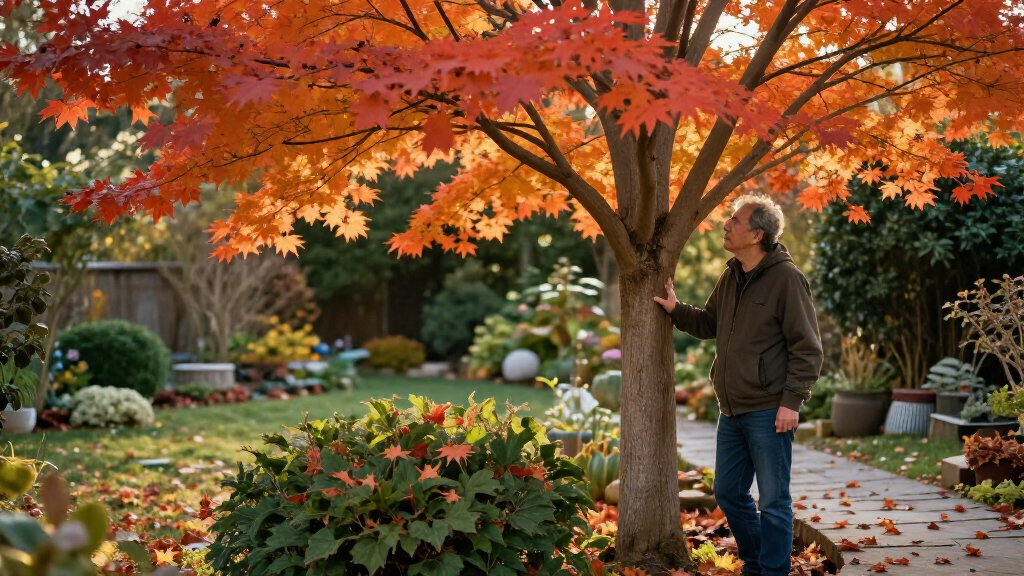
Gardening Know How has highlighted sourwood (Oxydendrum arboreum), a tree native to the eastern United States, as an option for gardeners seeking autumn color alongside summer flowers that provide nectar for pollinators. The report describes its fall leaves as red, burgundy, orange and yellow, while cautioning that sourwood generally prefers acidic, well-drained soil and may struggle in alkaline or waterlogged ground.
The report presents sourwood as a different kind of ornamental tree from Japanese maple, rather than a direct replacement. Japanese maples are often selected for their distinctive leaf shapes and branching, while sourwood has elongated leaves and a naturally graceful form suited to woodland-style or naturalistic gardens. The source does not provide a side-by-side trial or measurements comparing the intensity of the two trees’ autumn colors.
Sourwood’s appeal extends beyond fall, according to Gardening Know How. In early to midsummer, it bears drooping clusters of fragrant, bell-shaped flowers. The report says the flowers provide nectar used by bees and other pollinators, and notes sourwood’s association with sourwood honey. After flowering, small seed capsules may persist into colder months, while the tree’s patterned bark adds winter interest.
The source advises gardeners to check their soil before planting. Sourwood generally does best in acidic, well-drained conditions; soil that remains waterlogged or is alkaline can be problematic. It also recommends pruning while the tree is dormant and limiting pruning to damaged branches. The report offers no location-specific planting guidance, so local growing conditions should be checked before a tree is chosen.
A Native Tree With More Than Fall Color
Sourwood may interest gardeners who want an ornamental tree that provides features across several seasons and supports pollinators. Its flowers add a source of nectar in summer, while colorful leaves draw attention in autumn and persistent seed capsules and patterned bark can add visual interest later in the year. That combination makes it a multi-season option for suitable sites, not simply a fall foliage choice.
Its native range is another point in its favor for readers looking to include regionally native plants in their landscapes. But the recommendation has a practical limit: sourwood’s reported soil preferences may rule it out where the ground is alkaline or poorly drained. The source does not claim that the tree is suitable everywhere or that it will outperform Japanese maple in every garden.
As an affiliate, we earn on qualifying purchases.
How Sourwood Compares With Japanese Maple
The Gardening Know How report frames sourwood as an alternative for a particular gardening goal: a tree with seasonal interest beyond autumn. Japanese maple remains a suitable ornamental choice for people who want finely divided foliage, a sculptural outline or a compact specimen, the report says. Sourwood offers a distinct look, with elongated leaves and a softer, woodland-inspired form.
Sourwood (Oxydendrum arboreum) is native to the eastern United States and grows naturally in woodland habitats, according to the source. Its seasonal sequence includes glossy foliage, fragrant summer flower clusters, autumn color and winter structure. The article also mentions sourwood honey as a product associated with the tree’s flowers, but it does not quantify pollinator visits or honey production in a garden setting.
““If you want a tree that offers more than a single season of interest, then sourwood is well worth considering.””
— Gardening Know How
As an affiliate, we earn on qualifying purchases.
Site Conditions Shape Planting Success
The report does not state when it was published, provide a specific study behind its comparison, or quantify how sourwood’s fall color compares with Japanese maple across locations. Color and flowering may vary with local conditions, but the source provides no region-by-region performance data. It also does not identify a specific cultivar or give details such as expected mature size and growth rate.
Gardeners should treat the plant’s soil preferences as general guidance rather than a guarantee of success at a particular site. The source suggests checking soil conditions but does not provide a planting plan for different climates or soil types. Its claim that flowers attract pollinators is not accompanied by counts or a comparison with other flowering trees.
pollinator attracting flowering trees
As an affiliate, we earn on qualifying purchases.
As an affiliate, we earn on qualifying purchases.
Check Soil Before Choosing Sourwood
For anyone considering the tree, the report’s practical next step is to assess whether the planting site offers acidic, well-drained soil before buying. Gardeners should also check local advice for their region and leave enough room for a tree’s eventual form, since the source does not give dimensions or cultivar-specific recommendations.
Those whose sites suit sourwood can weigh its seasonal features against their design needs; others may prefer a Japanese maple or another tree better matched to local conditions. The Gardening Know How report does not announce a new planting program or further research, so the next decision rests on site suitability and the gardener’s priorities.
As an affiliate, we earn on qualifying purchases.
Key Questions
What tree does the report recommend as an alternative to Japanese maple?
It recommends sourwood (Oxydendrum arboreum), a tree native to the eastern United States. The report presents it as a different ornamental option, not a universal replacement.
What does sourwood look like in fall?
Gardening Know How describes autumn leaves in red, burgundy, orange and yellow. The source does not provide a measured comparison with Japanese maple’s fall color.
Do sourwood flowers attract pollinators?
The report says sourwood’s fragrant, bell-shaped summer flowers provide nectar used by bees and other pollinators. It does not give pollinator counts or compare the flowers with those of other trees.
What soil does sourwood need?
Sourwood generally prefers acidic, well-drained soil, according to the report. It may struggle in alkaline soil or ground that stays waterlogged, so check conditions at the planting site.
Should gardeners stop planting Japanese maples?
No. The source says Japanese maples remain a good choice for gardeners who want finely divided foliage, a sculptural silhouette or a compact specimen. Sourwood suits a different set of preferences and site conditions.
Source: rss
Fall yard work Picks
leaf blowers
As an affiliate, we earn on qualifying purchases.