
TL;DR
A statistic stating that 29% of shoppers prioritize locally grown produce is circulating widely this week. The figure points to sustained consumer interest in local food, but the survey behind it and what ‘prioritize’ means remain unconfirmed.
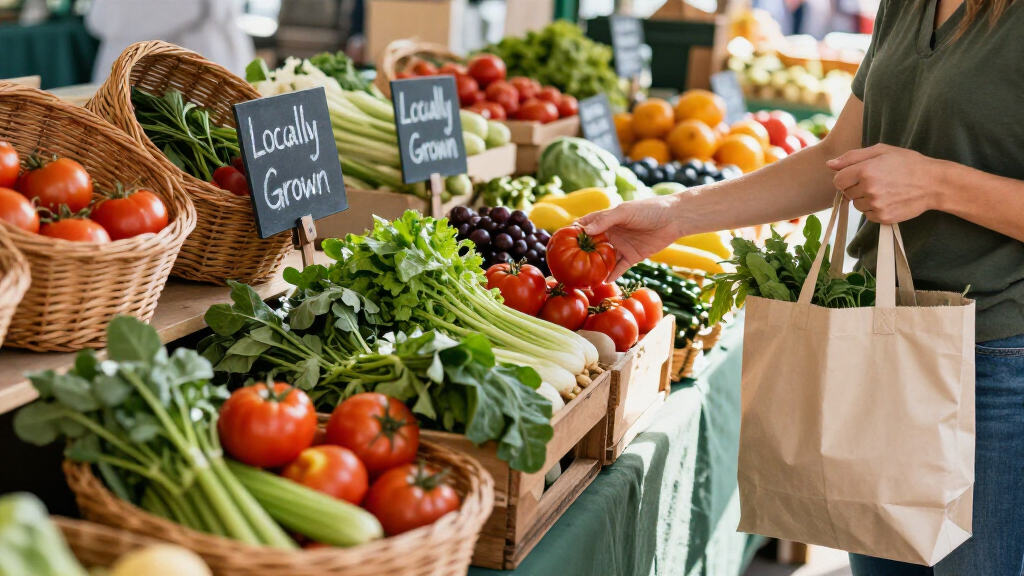
A statistic asserting that 29% of shoppers prioritize locally grown produce is being widely shared this week in food retail and gardening coverage, spotlighting a long-running shift in how consumers choose fruits and vegetables. The figure, circulated as a ‘stat of the week’ via garden-focused channels, has not been tied to a named survey, sample size, or polling period, so its precise origin and methodology remain unverified. What is well established, however, is the broader trend it points to: local food has moved from a niche farmers-market preference toward a mainstream consideration in grocery decisions.

Get garden gear delivered free with Prime
- Fast, free delivery on millions of items
- Prime Video, Amazon Music and more included
- Member-only deals all year
The claim in circulation is specific in its wording: roughly three in ten shoppers place locally grown produce at or near the top of their buying criteria. It is not clear from the circulating material whether ‘prioritize’ means shoppers rank local origin first among all factors, treat it as one of several considerations, or actively pay more for it. Price, freshness, and appearance typically remain the dominant purchase drivers in food retail research, and locally grown items compete against those factors rather than replacing them.
What is confirmed is the durability of the underlying interest. Surveys from major food-industry bodies over the past decade have consistently found that a substantial share of consumers — often in the range of a quarter to a half depending on wording — say they prefer locally sourced food, associate it with freshness and supporting the local economy, and report interest in knowing where their produce comes from. The 29% figure sits comfortably within that established range, which is one reason it is plausible even without a verifiable source.
The spike in attention also coincides with seasonal timing. Coverage of locally grown produce reliably rises in late spring and summer, when farmers markets, community-supported agriculture (CSA) programs, and home vegetable gardening reach peak activity. Garden-focused media, including the RSS feed through which this statistic circulated, commonly highlight such figures during planting and harvest season.
Why This Number Resonates Now
For grocery shoppers, the statistic is a reminder that buying local has become a mainstream consideration rather than a fringe preference, and that many consumers weigh origin alongside price and convenience. For small and mid-sized growers, food retailers, and farmers-market vendors, even an approximate figure near three in ten shoppers signals a durable market segment worth serving with clear labeling and provenance information.
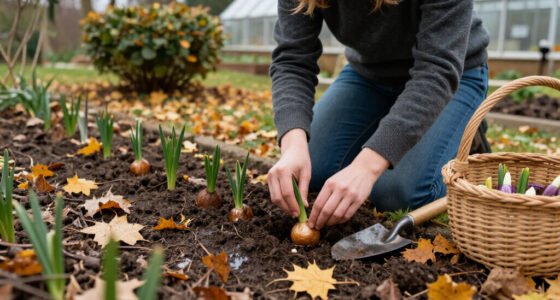
The number also matters for home gardeners, the audience where the statistic gained traction. If nearly a third of shoppers actively prefer locally grown produce, growing food at home — the most local option available — aligns with a preference many consumers already hold. Seed sellers, garden centers, and community gardening organizations frequently cite consumer interest in local food to explain steady demand for vegetable plants and seeds.
Because the figure is unattributed, readers should treat it as a directional signal of consumer sentiment rather than a precise measurement. Its value lies in what it reflects — sustained interest in food provenance — rather than in the exact percentage.
As an affiliate, we earn on qualifying purchases.Popular right now

Dyson V8 Motorhead Origin Cordless Vacuum

Samsung 65-Inch Class M70H Series 4K Mini LED Smart TV (2026)

iRobot Roomba 105 Combo Robot Vacuum & Mop with AutoEmpty Dock
The Long Rise of Local Food Interest
: “Interest in locally grown food has been building for well over a decade. The U.S. Department of Agriculture has tracked steady growth in farmers markets, CSA programs, and direct-to-consumer farm sales since the 2000s, and ‘local’ has become one of the most common claims on supermarket signage and packaging. Food-industry surveys during that period have repeatedly found that consumers associate local produce with freshness, quality, environmental benefits, and support for regional farmers.
Garden media has tracked the same current from the consumer side. Coverage of vegetable gardening surged during the pandemic and has remained above pre-2020 levels at many retailers, and ‘stat of the week’ items — short data points shared via RSS and social channels — are a common format for surfacing consumer research to gardening audiences. This particular statistic arrived through that pipeline, without an attached primary source.
“29% of shoppers prioritize locally grown produce.”
— Circulating ‘stat of the week’ item (garden RSS feed)
What the Statistic Leaves Unverified
The survey behind the 29% figure is unconfirmed. No polling organization, sample size, field dates, geographic scope, or question wording has been published alongside the circulating claim, and it is not clear whether the number is new research, a recycled figure, or a rounded summary of older findings. Whether ‘prioritize’ means local origin outranks other factors or simply factors into decisions is also undefined, and that distinction can move such numbers by ten percentage points or more in consumer research. Readers should treat the percentage as indicative, not definitive.
How to Judge the Trend Yourself
Readers who want firmer ground can watch for the figure to be traced to a named survey in coming coverage, or check established sources such as USDA direct-to-consumer sales data and annual food-industry consumer trend reports, which typically publish methodology. For shoppers, the practical takeaway is unchanged regardless of the exact number: asking about origin at stores and markets, reading labeling, and comparing prices against freshness remain the most reliable ways to act on the preference the statistic describes. If a primary source for the 29% claim emerges, this story will warrant an update.
Key Questions
Is the 29% figure from a verified survey?
No. The statistic is circulating without a named polling organization, sample size, field dates, or question wording. It should be treated as a directional signal of consumer interest, not a verified measurement.
What does ‘prioritize’ mean in this statistic?
That is unclear. It could mean shoppers rank local origin first among buying criteria, or simply that they consider it among several factors. In consumer research, this wording difference can substantially change the reported percentage.
Do shoppers really prefer local produce over price and freshness?
Established food retail research generally finds that price, freshness, and appearance remain the dominant purchase drivers. Local origin is typically an additional consideration that competes with, rather than overrides, those factors.
Why is interest in locally grown produce rising?
Long-running surveys link the interest to perceived freshness, support for local economies, environmental concerns, and desire for food provenance. Seasonal factors — farmers markets and home gardening season — also amplify attention in spring and summer.
Where can I find verified data on local food trends?
USDA data on direct-to-consumer farm sales and farmers markets, plus annual consumer trend reports from established food-industry bodies, publish methodology and are more reliable than unsourced circulating statistics.
Source: rss